The Bureaucratic Tightrope: Inside the WNBA’s Decisive Cultural Crossroads
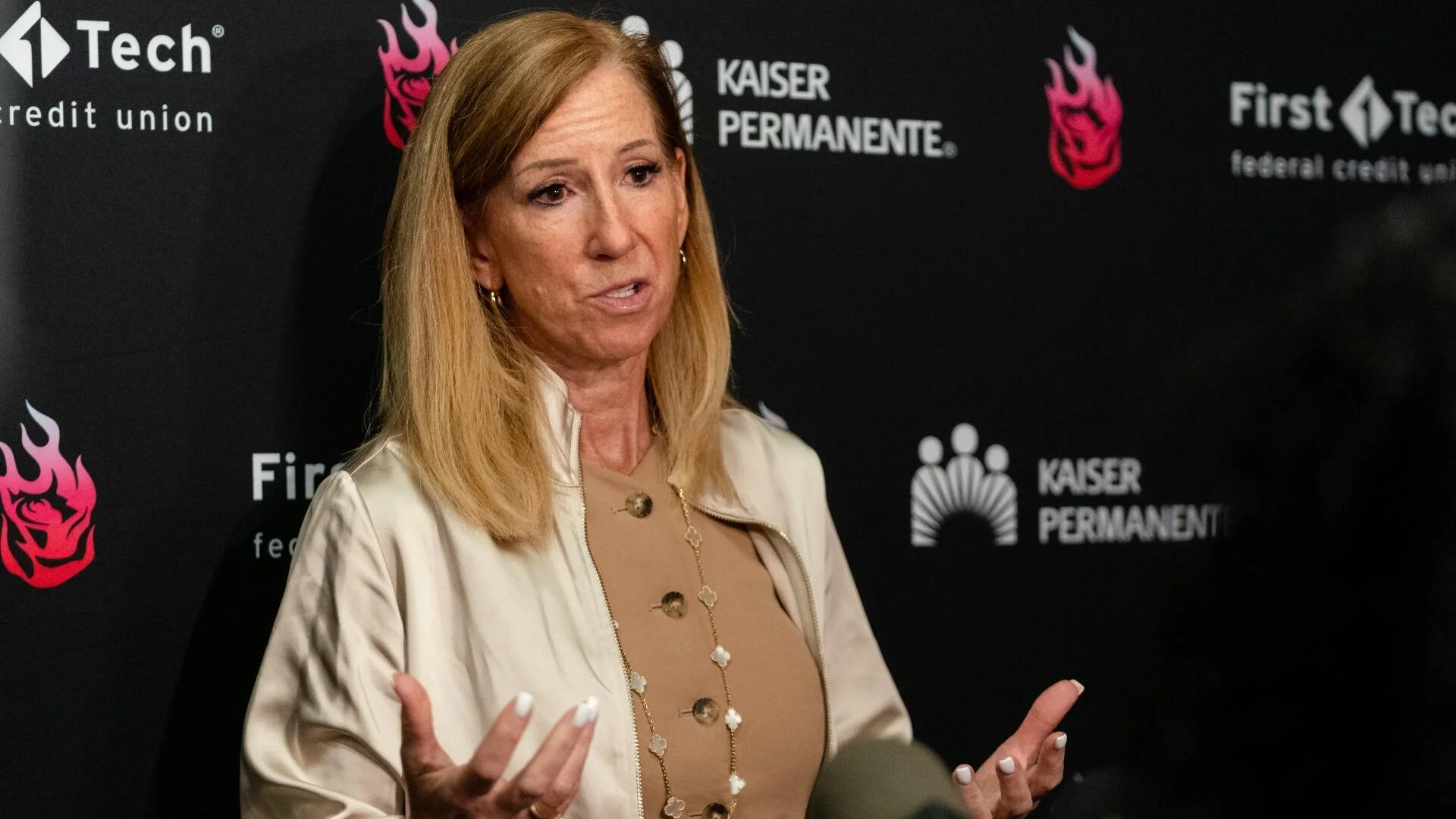
The WNBA is currently basking in the glow of an unprecedented renaissance—a glittering era defined by record television ratings, sold-out arenas, and a newfound status as a primary driver of mainstream cultural conversation. Yet, beneath the triumphant squeak of sneakers on hardwood lies a more complex, friction-filled reality. Commissioner Cathy Engelbert recently broke her silence on one of the most volatile debates threatening to pierce the league's pristine new veneer: the participation of transgender athletes. In an internal memo, Engelbert addressed the escalating controversy, conceding that the debate is neither fleeting nor easily pacified. It was a moment of calculated corporate diplomacy, signaling that the league—long celebrated as a progressive vanguard—must now navigate the treacherous waters of contemporary gender politics under an increasingly intense public microscope.
```
"The modern sports commissioner must be as much a diplomat and a cultural theorist as a business executive."
```
Engelbert’s response, characterized by a cautious bureaucratic syntax, represents a delicate tightrope walk. Rather than drawing a definitive line in the shifting sands of athletic policy, the commissioner opted for the language of ongoing, deliberate dialogue. The memo functions as both a pressure-release valve and a tactical pause, recognizing the sheer velocity of the cultural discourse while committing the league to "continue talks." In doing so, Engelbert is attempting to preserve the WNBA’s hard-won identity of inclusive empowerment while simultaneously shielding its massive commercial momentum from the polarizing culture wars that have besieged other athletic institutions. It is a masterclass in modern sports governance: treating a deeply emotional and philosophical debate not as an existential crisis, but as an ongoing administrative consultation.
This controversy does not exist in a vacuum; it arrives at a moment when women’s sports are being aggressively reframed as the ultimate frontier for identity politics. The WNBA, historically a refuge for marginalized voices and a pioneer in social justice advocacy, finds itself uniquely vulnerable to these ideological skirmishes. To its progressive base, any exclusion is anathema to the league's foundational ethos of radical acceptance; to a growing contingent of critics and biological essentialists, the physical integrity of female sports must be defended at all costs. By acknowledging that these conversations "are not going away," Engelbert is tacitly admitting that the league can no longer rely on the vague platitudes of yesteryear. The path forward will require more than mere rhetoric; it will demand a definitive choice between the competing ideals of absolute inclusion and categorical preservation.