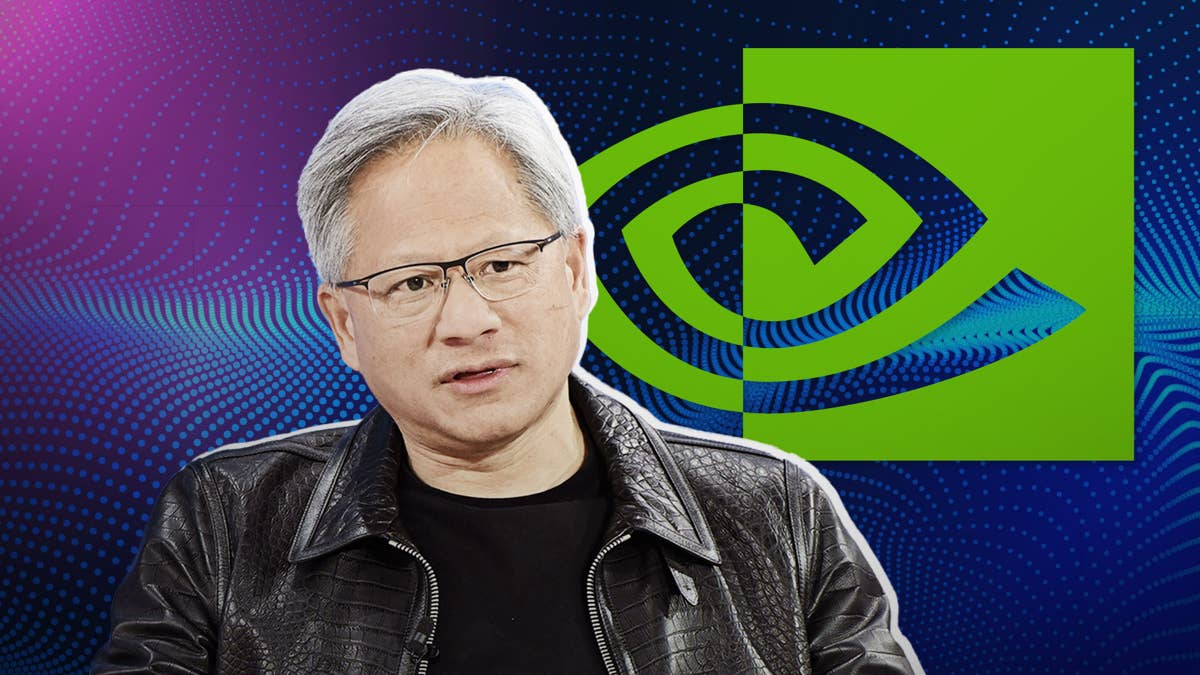
The Alchemy of Silicon: Inside Jensen Huang’s $500 Billion Imperial Gamble
Jensen Huang, the black-leather-jacketed high priest of the silicon age, is attempting a feat of financial alchemy that would make Medici-era bankers blush. His latest gambit is as breathtaking as it is audacious: pitching Nvidia’s graphics processing units (GPUs)—the coveted, ultra-scarce microchips driving the generative artificial intelligence boom—not merely as hardware to be sold, but as premium, gilt-edged collateral capable of unlocking a staggering $500 billion in debt financing. In Huang’s vision, the GPU is the new sovereign gold reserve, a tangible asset of such immense intrinsic worth that it can underwrite the massive, capital-intensive infrastructure of the next industrial revolution. Yet, this grand architectural vision of modern finance rests on a singularly fragile premise: that a piece of rapidly evolving silicon minted today will retain its value in a hyper-accelerated market characterized by ruthless innovation and shifting geopolitical fault lines.
```
"We are witnessing the transformation of silicon from an operational expense into the foundational leverage of global high finance."
```
The fundamental Achilles' heel of Huang’s half-trillion-dollar thesis lies in the brutal calculus of technological obsolescence. Unlike traditional collateral—such as prime real estate or energy infrastructure, which decay at a predictable, generational crawl—silicon is notoriously transient. A cutting-edge Blackwell chip today is tomorrow's digital surplus, its economic utility halved the moment a more efficient architecture emerges from the cleanrooms of TSMC. This depreciation curve is steepened by the looming specter of China. As Washington tightens its export chokehold on advanced semiconductors to Beijing, the Chinese market has transformed from a reliable revenue engine into a volatile wild card. Cut off from Nvidia’s absolute best, Chinese tech giants are pouring state-subsidized fortunes into domestic alternatives, such as Huawei’s Ascend series.
Should China successfully bridge the performance gap, or should US export controls completely sever Nvidia’s access to the world’s second-largest technology market, a massive volume of legacy high-end GPUs could find themselves locked out of global pipelines. The resulting supply-side distortions could trigger a sudden, catastrophic repricing of the very assets currently backing these astronomical loans. For the venture capitalists and sovereign wealth funds lining up to finance Huang’s dream, the risk is clear: they may find themselves holding the keys to server farms filled with depreciated, geopolitically stranded silicon. Ultimately, Huang's master plan is a profound test of whether the sheer momentum of the AI gold rush can outrun the gravity of geopolitical friction and the relentless, compounding decay of technology itself.