We Don’t Have a Clean Indoor Air Act. Are Air Purifiers the Answer?
When the United States passed the landmark Clean Air Act in 1970, it established a robust federal framework for monitoring and regulating outdoor pollutants to protect public health. However, more than half a century later, federal legislation largely stops at the threshold of our homes and offices. No equivalent "Clean Indoor Air Act" exists to govern the quality of the air we breathe inside, despite Environmental Protection Agency (EPA) findings that indoor air can be two to five times more polluted than outdoor air. Given that the average American spends roughly 90 percent of their life indoors, this regulatory blind spot has forced consumers to take air quality management into their own hands.
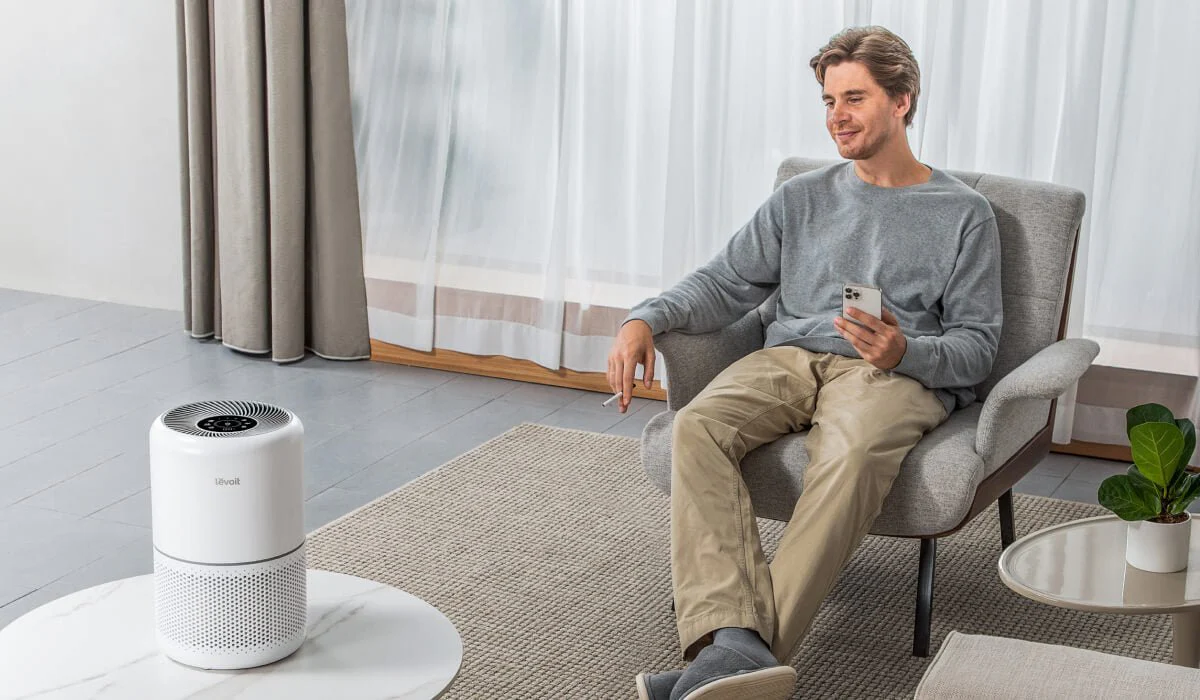
The consumer market has responded with a massive influx of portable air purifiers, particularly those utilizing High-Efficiency Particulate Air (HEPA) technology. Driven by rising concerns over wildfire smoke, seasonal allergies, and airborne pathogens, these devices have transitioned from niche wellness appliances to household essentials. Yet, relying solely on a single machine to scrub the air in a home may overlook the complex ecosystem of indoor pollutants, which includes volatile organic compounds (VOCs) from furniture, radon, mold, and combustion products from gas stoves.
Environmental health experts caution that while air purifiers are highly effective at trapping particulate matter, they are not a silver bullet for overall indoor air health. "A HEPA filter is incredibly efficient at capturing dust, pollen, and smoke particles, but it won’t solve a carbon monoxide or high-VOC issue without specialized, heavy-duty carbon filters," notes Dr. Helen Vance, an indoor environmental quality specialist. "To truly protect our airways, we have to look at a multi-tiered defense strategy that prioritizes source control and ventilation alongside mechanical filtration."
To achieve optimal indoor air quality without federal regulatory oversight, experts recommend a balanced approach that goes beyond simply plugging in an air purifier:
- Source Control: Eliminate or minimize the source of pollution, such as opting for low-VOC building materials, avoiding synthetic fragrances, and utilizing kitchen range hoods that vent outside while cooking.
- Mechanical Filtration: Deploy HEPA-certified purifiers sized appropriately for the specific room (checking the Clean Air Delivery Rate, or CADR) to continuously filter out fine particulate matter (PM2.5).
- Ventilation: Introduce fresh outdoor air when outdoor air quality index (AQI) levels permit, utilizing mechanical ventilation systems or simply opening windows to dilute concentrated indoor contaminants.