Fire on the Water: The Quiet Violence of the Gulf Blockade
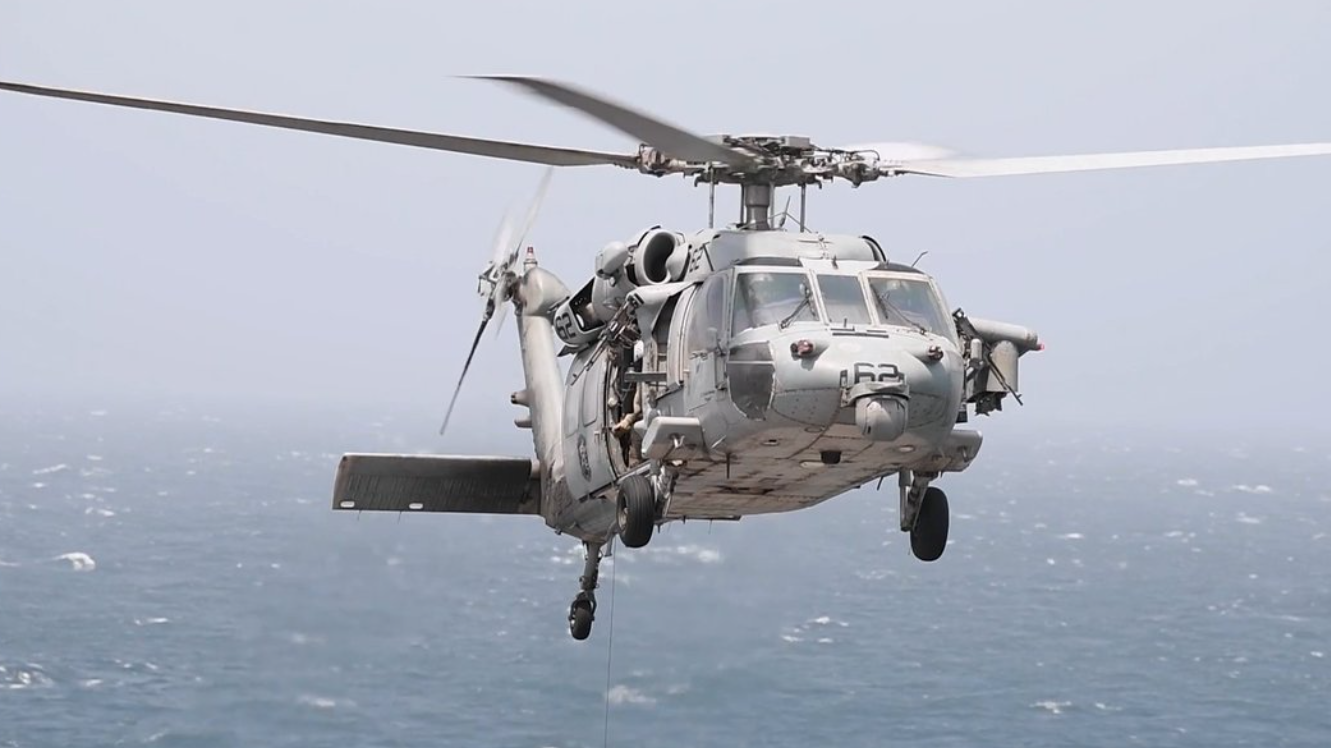
The Gulf of Oman has long served as a dark mirror to the world’s geopolitical anxieties—a stretch of slate-gray water where the friction of global trade meets the cold reality of military enforcement. It was here, in the hazy expanse of a maritime gray zone, that the United States military chose to draw its latest line in the sea. In a kinetic demonstration of deterrence, a US Navy helicopter targeted and disabled a Panama-flagged cargo vessel suspected of violating the stringent blockade surrounding Iran. The intervention was swift, calculated, and executed with the clinical detachment of modern standoff warfare, transforming a routine passage into a theater of high-stakes international friction.
According to statements released by US Central Command (CENTCOM), the operation was an exercise in what planners call "calculated restraint." Rather than sinking the vessel or risk a prolonged, bloody boarding action, the helicopter crew delivered a surgical strike, firing precision missiles directly into the ship's engine room. The maneuver was essentially a mechanical lobotomy performed at sea—designed to render the vessel dead in the water, stripping it of its propulsion while sparing the lives of the crew on board. It is a modern doctrine of interdiction where violence is measured not in total destruction, but in the precise neutralization of utility, leaving the disabled freighter wallowing helplessly in the swells.
```
"The engagement represents a sharp escalation in the enforcement of regional sanctions, shifting the blockade from a legal framework into a kinetic reality."
```
This high-seas drama is merely the latest flare-up in an ongoing, twilight struggle between Washington and Tehran. For years, the waters of the Middle East have been haunted by ghost armadas—vessels operating under flags of convenience, switching off their transponders to smuggle fuel, weapons, and contraband through the cracks of international law. By targeting a Panama-flagged vessel, the United States is signaling that the legal fictions of maritime registration will no longer offer sanctuary to those running the Iranian blockade. The message vibrating through the hull of that crippled freighter is unmistakable: the rules of the game have hardened, and the oceans are no longer wide enough to hide in.