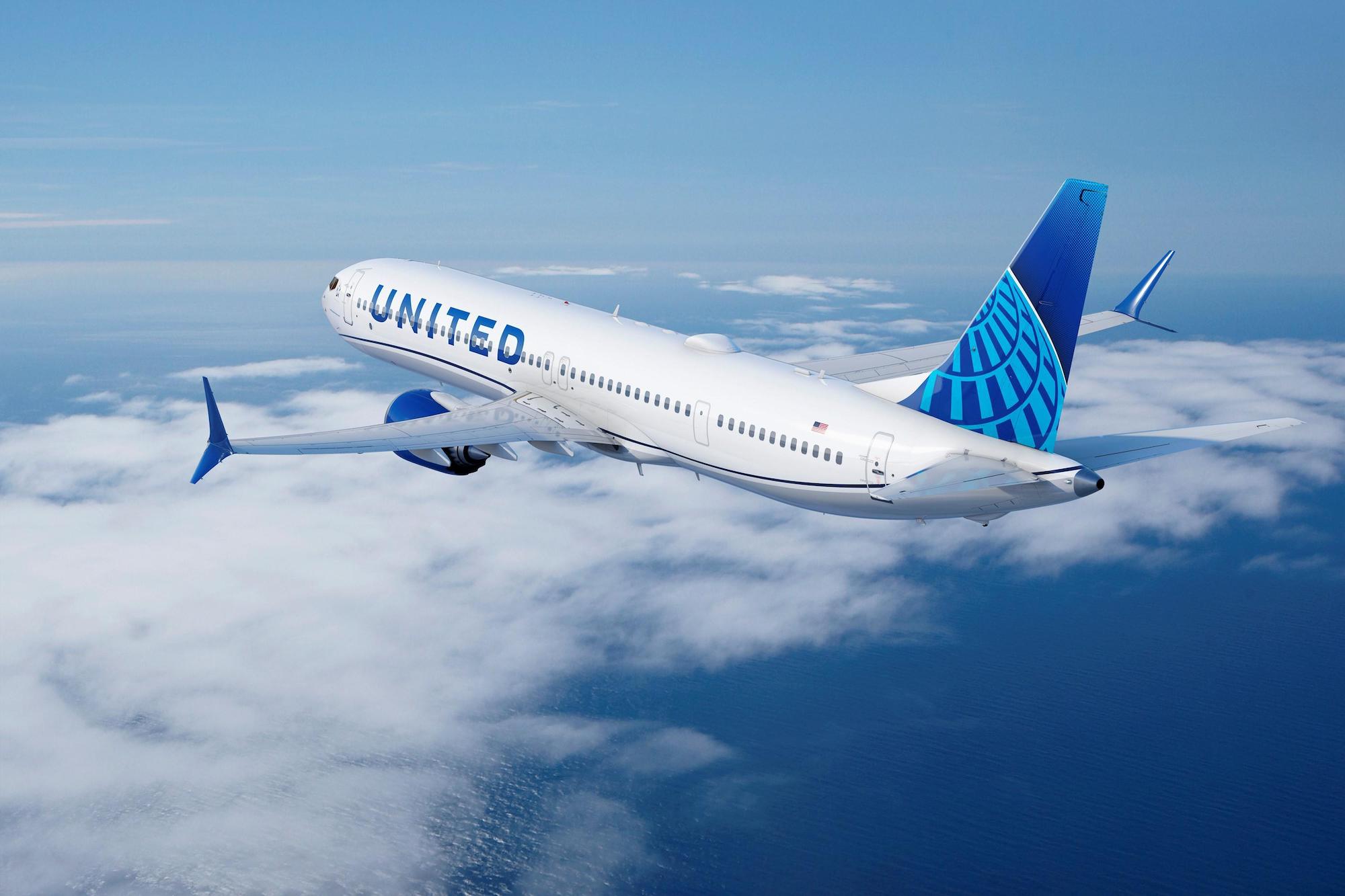
The Ghost in the Hangar: United’s Ornate, Grounded Future
In the rarefied air of corporate aviation strategy, the premium cabin is not merely a collection of seats; it is a meticulously calibrated theater of human aspiration. Years ago, United Airlines sketched a luxurious blueprint for its incoming fleet of Boeing 737 Max 10s: a domestic narrow-body flying experience punctuated by the decadent indulgence of lie-flat premium seating. It was a bold bid to blur the lines between regional transit and transcontinental opulence, transforming the mundane medium-haul commute into a cocoon of private leather, ambient light, and brushed steel. Yet today, those very seats—conceived as the crown jewels of United’s domestic revitalization—find themselves suspended in a state of high-design purgatory, elegant monuments to a future that Boeing has repeatedly failed to deliver.
The source of this paralysis is, by now, a familiar tragicomedy of modern industrial manufacturing. Grounded by a cascading series of safety crises, intense regulatory reckonings, and systemic manufacturing bottlenecks, Boeing’s largest variant of its single-aisle workhorse, the Max 10, remains locked in FAA certification limbo. What was meant to be a swift ascension has devolved into a multi-year slog, leaving United’s aggressive capacity expansion plans entirely decoupled from reality. For United’s leadership, led by the pragmatic and increasingly impatient CEO Scott Kirby, the delay has transformed a brilliant procurement victory into a logistical riddle: what, precisely, does an airline do with thousands of highly customized, incredibly expensive luxury seats when the metal hulls they were engineered to occupy do not yet exist?
> "Premium lie-flat seats are not modular furniture to be casually reassigned; they are bespoke engineering marvels, sculpted to fit the specific contours of a plane that remains on paper."
The dilemma is as much one of physical geometry as it is of balance sheets. These dormant luxury suites cannot simply be retrofitted into United's existing, older Airbus or Boeing fleets without triggering a prohibitively expensive cascade of FAA re-certifications, weight-and-balance overhauls, and cabin disruptions. Instead, these assets likely sit in climate-controlled warehouses, silently depreciating while racking up storage fees—a physical manifestation of a supply-chain breakdown that highlights the delicate, often precarious interdependence between airline ambition and aerospace execution.
Ultimately, the saga of United’s orphaned seats serves as a sharp metaphor for the contemporary aviation industry’s larger malaise. It is an era where visionary marketing departments sell a seamless, elevated future of travel, while the industrial base struggles with the fundamental mechanics of assembly and oversight. As United weighs its next move—whether to wait out Boeing's glacial regulatory journey, negotiate costly contract conversions, or absorb the write-downs of a scrapped interior design—the empty premium seats remain a poignant symbol of delayed gratification. For now, the ultimate luxury in commercial aviation remains the one thing money cannot buy: a reliable delivery schedule.