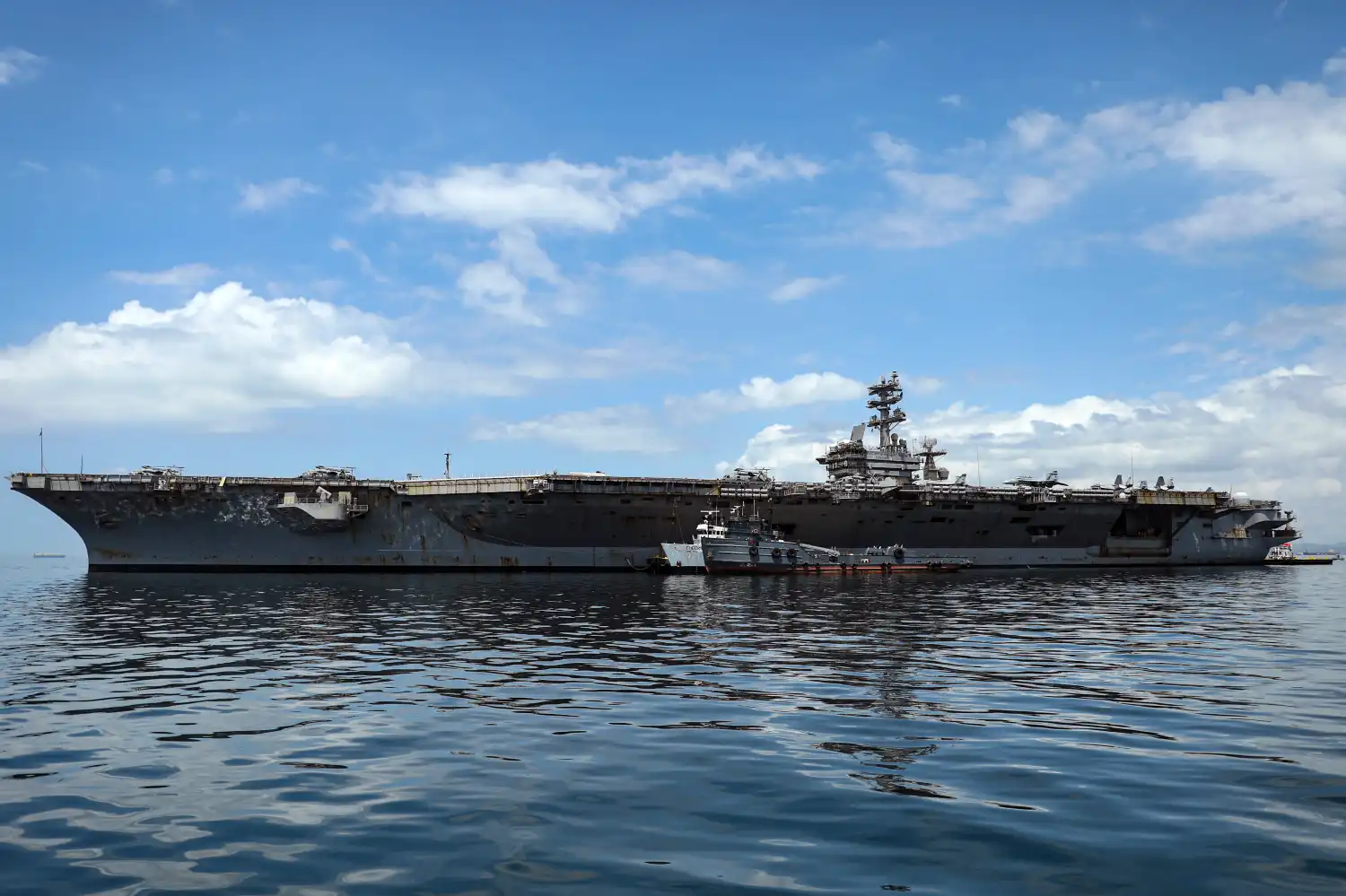
UN Intervenes to Rescue Stranded Sailors Amid Tensions in the Strait of Hormuz
The United Nations has announced a coordinated mission to evacuate crew members currently stranded on commercial vessels within the Strait of Hormuz, an area that has become an increasingly volatile flashpoint for international maritime trade. The intervention follows weeks of reports regarding deteriorating conditions for sailors trapped aboard ships that have been unable to proceed or exit the region due to escalating geopolitical maneuvering. These vessels, many of which have been held in limbo by regional authorities, are now the center of a growing humanitarian crisis, prompting the UN to mobilize logistical support to ensure the safety and repatriation of the international maritime workforce.
The urgency of the situation has been compounded by sharp warnings from the United States. Secretary of State Marco Rubio formally addressed the growing instability on Monday, issuing a stern rebuke against attempts by regional actors—specifically Iran—to exert control over the vital waterway. Rubio emphasized that the Strait of Hormuz is an international transit corridor governed by established maritime law, explicitly stating that no country possesses the legal authority to impose tolls or arbitrary fees on ships navigating through these waters. "The free flow of commerce is a fundamental tenet of global stability," Rubio stated, noting that any attempt to weaponize the strait would be viewed as an unlawful infringement on international trade.
The Strait of Hormuz, a narrow choke point between the Persian Gulf and the Gulf of Oman, serves as one of the world's most critical oil transit routes, with nearly one-fifth of the global oil supply passing through its waters daily. Historical precedent for tension in the area is profound, dating back to the "Tanker War" of the 1980s and continuing through recent years of seizures, drone incursions, and naval posturing. Analysts warn that the current effort to levy tolls represents a dangerous escalation, potentially violating the United Nations Convention on the Law of the Sea (UNCLOS), which guarantees the right of "transit passage" through international straits.
As the UN-led evacuation efforts commence, the international community remains on high alert. While the immediate priority remains the welfare of the stranded mariners, the broader diplomatic implications continue to loom large. The U.S. and its allies have reiterated their commitment to maintaining a robust maritime security presence in the region to discourage further interference. For now, shipping companies remain cautious, with many insurers closely monitoring the situation as they weigh the risks of routing vessels through a corridor that is increasingly subject to both state-led administrative threats and persistent geopolitical friction.