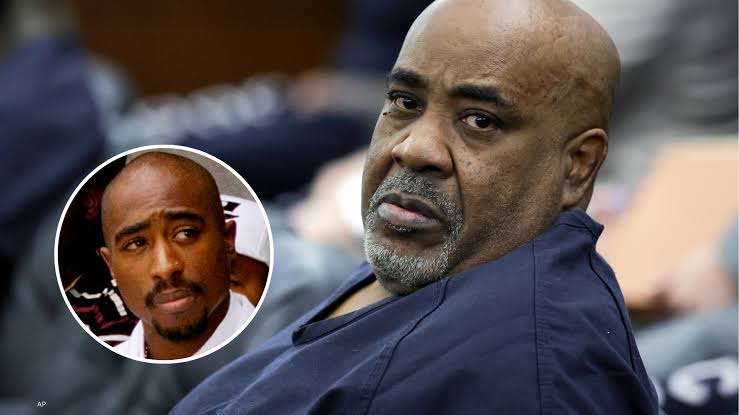
The Echo Chamber of Las Vegas: As the Tupac Shakur Murder Trial Begins, a Sentinel of Death Row Seeks an Ending
Nearly three decades after the neon-lit intersection of Flamingo Road and Koval Lane became the altar for hip-hop’s most enduring tragedy, the wheels of justice are grinding, belatedly but heavily, toward a final reckoning. As jury selection begins in the trial concerning the 1996 murder of Tupac Shakur, the courtroom in Las Vegas is not merely prosecuting a cold case; it is staging an autopsy on an era of mythic violence and cultural turbulence. For twenty-eight years, the assassination of the genre’s most mercurial, Byronic hero has existed less as a standard police file and more as a sprawling American folklore, populated by a Byzantine web of street gangs, federal agents, and industry turncoats. Now, as the state prepares to present its narrative, those who survived the paranoia-laced imperium of Death Row Records are stepping out of the shadows of rumor and into the sterile light of a public courtroom.
Foremost among these surviving figures is Reggie Wright Jr., the former head of security for Death Row Records, whose imposing physical presence once symbolized the iron-fisted enforcement of Suge Knight’s empire. Long a target of the feverish conspiracy theories that fester in the darker corners of music journalism and internet message boards, Wright has emerged to break his silence, vehemently denying any complicity in the drive-by shooting that claimed Shakur’s life. "I just hope the truth finally comes out," Wright remarked in a recent, candid reflection on the eve of the trial, expressing a weary hope that the prosecution will finally lay bare the mechanics of the conspiracy. For Wright, the proceedings represent a long-awaited exorcism—an opportunity for the state's evidence to dismantle the lucrative cottage industry of blame that has shadowed his post-music-industry life.
> "I just hope the truth finally comes out."
> — Reggie Wright Jr., former Death Row Records Head of Security
The trial, which centers on the prosecution of Duane "Keffe D" Davis—the self-proclaimed South Side Compton Crip whose boastful memoirs and media interviews ultimately resurrected a dormant investigation—promises to peel back the layers of a gang feud that metastasized into a national tragedy. Wright’s perspective is that of a man who watched the tragedy unfold from the inner sanctum, possessing a rare, unvarnished view of the structural decay that doomed the legendary record label. He expresses a cautious optimism that the judicial process, with its rigid demands for empirical evidence rather than street gossip, will serve as a cleansing agent. By subjecting the events of September 7, 1996, to the cold rigor of cross-examination, the trial has the potential to replace decades of sensationalist speculation with the sobering, definitive facts of a senseless street war.
Ultimately, what hangs in the balance in this Nevada courtroom is more than a simple verdict of guilt or innocence for a single aging defendant. It is a confrontation with the ghosts of a golden age that was as destructive as it was creative. For survivors like Reggie Wright Jr., the trial is a painful but necessary reckoning, a chance to finally sever the living from the dead and to lay to rest a ghost that has refused to sleep. Whether the American legal system can successfully deconstruct a tragedy that has become a pillar of modern mythology remains to be seen, but the curtain has finally risen on the final act of hip-hop’s most tragic opera.