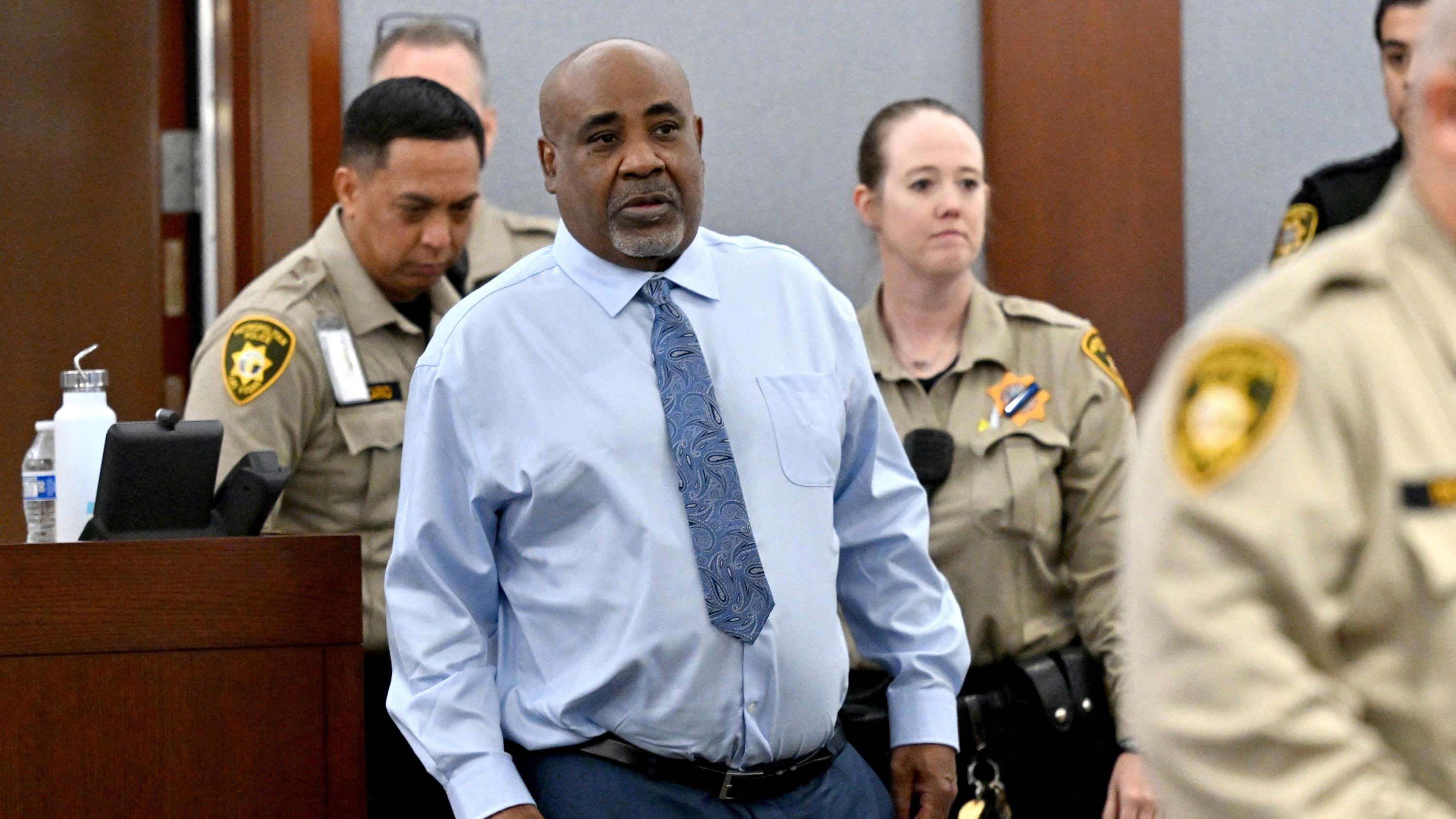
The Code of the Strip: Tupac Shakur’s Final Defiance Resurfaces in a Las Vegas Courtroom
In the sterile, fluorescent-lit confines of a Clark County courtroom, the grand, tragic opera of 1990s hip-hop has been dragged back into the light, stripped of its neon-washed romanticism and laid bare as forensic fact. Decades after the fusillade of bullets on the Las Vegas Strip silenced Tupac Shakur at the zenith of his mercurial genius, a responding officer’s testimony has re-evoked the visceral chaos of that September night in 1996. It was a moment when pop culture, street pathology, and American myth collided on the asphalt. According to retired officers taking the stand, the immediate aftermath of the shooting was not a scene of orderly emergency response, but a sensory overload where "all hell broke loose"—a turbulent tableau of screaming tires, shouting crowds, and the sudden, terrifying realization that an icon was bleeding out in the passenger seat of a black BMW.
Yet, amid the cacophony of a Strip plunged into pandemonium, the most striking revelation from the witness stand remains Shakur’s final, fatalistic adherence to the code that defined both his art and his demise. As blood pooled and police descended upon the scene with weapons drawn, a wounded Shakur reportedly looked at a responding officer trying to extract information and delivered a curt, defiant dismissal:
> "We'll take care of it."
It is a line that reads less like a statement to law enforcement and more like a thesis statement for a life lived in permanent friction with authority. Even as his physical body succumbed to the trauma of multiple gunshot wounds, Shakur chose the silence of the streets over the sanctuary of state protection, rejecting the very apparatus of justice that is now, twenty-eight years later, attempting to retroactively avenge him.
This stubborn refusal to cooperate is the crux upon which the Shakur mystique was built—a posture of absolute self-sovereignty that transformed a talented young actor and poet into a martyr of hip-hop’s most combustible era. In the eyes of cultural historians, his final words to the police were not merely uncooperative; they were an act of profound, albeit tragic, narrative consistency. By treating the state as an interloper in a private war, Shakur sealed his own legend, ensuring that his death would remain an unsolved puzzle for nearly three decades. The current trial of Duane "Keffe D" Davis, the self-proclaimed gang leader accused of orchestrating the hit, represents a jarring juxtaposition: the clinical, procedural machinery of the law finally catching up to a man who lived, and chose to die, entirely outside of its boundaries.