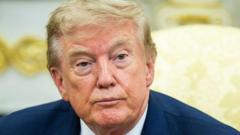
The Seventy-Two Hour Reprieve: Inside the High-Stakes Theater of the U.S.-Canada Tariff Standed
In the modern theater of global trade, brinkmanship is rarely about the quiet calculation of balance sheets; it is about the choreography of suspense. Donald Trump’s sudden announcement of a seventy-two-hour stay of execution on proposed tariffs against Canadian imports is a classic movement in this geopolitical ballet. By suspending the sword of Damocles just inches above Ottawa’s head, the American president has turned what might once have been a dry, technocratic negotiation into a high-stakes, prime-time countdown. The reprieve, ostensibly granted to allow both sides to finalize documents, is a bureaucratic euphemism that poorly conceals the raw exercise of leverage that has come to define twenty-first-century statecraft.
For Canada, a nation whose economic identity is inextricably bound to the seamless flow of goods across the 49th parallel, this three-day pause represents a fragile, anxious sigh of relief. The threatened tariffs, which target a sweeping array of Canadian exports, had poised a dagger at the heart of supply chains engineered over decades of continental integration. In Ottawa, the response has been a masterclass in studied poise masking quiet desperation. Canadian negotiators have had to navigate a neighbor that increasingly views trade not as a cooperative ecosystem of mutual benefit, but as a zero-sum arena of victors and vanquished. In this mercantilist colosseum, three days is an eternity—a window where the difference between economic continuity and a devastating trade war hinges on the phrasing of a few clauses.
> "The threat of economic disruption has become the primary currency of modern negotiation, where predictability is routinely discarded in favor of calculated volatility."
Ultimately, this latest episode underscores a broader transformation of international diplomacy into a species of performance art. The "deal" that is reportedly close is less about the meticulous realignment of regulatory frameworks and more about the optics of submission and magnanimity. By staging a cliffhanger, the White House reinforces a domestic narrative of populist strength, transforming complex trade mechanics into a simplified fable of American leverage. Whether this brief armistice yields a durable, mutually respectful agreement or merely sets the stage for the next act of economic melodrama, it confirms that the rules of global commerce are no longer written in stone, but in the fleeting, volatile ink of the 24-hour news cycle.