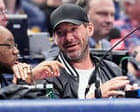
The Silence of the Oracle: Tony Romo’s Sudden Detour and the New Order at CBS
For years, Tony Romo’s voice was the velvet, high-octane soundtrack of autumn Sunday afternoons—a breathless, kinetic narration that promised to demystify the complex chess match of the gridiron in real-time. But that voice has been abruptly silenced. CBS Sports announced that the former Dallas Cowboys quarterback has been placed on leave “until further notice” following his arrest last week in Wisconsin on suspicion of operating a vehicle while under the influence. The incident represents a sharp, sobering detour for a broadcaster who once seemed utterly untouchable, transforming the golden boy of the television booth into the latest subject of a very public, very humbling corporate reckoning.
Romo’s transition from the playing field to the microphone was initially heralded as a revolution in sports media. His uncanny ability to predict plays before they happened earned him not just critical adoration, but a historic, ten-year contract worth an estimated $180 million. Yet, in recent seasons, the initial magic of his clairvoyance had begun to curdle in the court of public opinion. The charmingly manic enthusiasm that once delighted viewers was increasingly critiqued as unstructured, a symptom of a star resting on his laurels. This legal transgression in the Wisconsin night does not merely disrupt his career; it punctuates a period of growing vulnerability for a figure whose professional narrative had previously been defined by effortless, almost charmed success.
> "In the high-stakes theater of network broadcasting, there is no such thing as an empty seat; there is only the next act waiting in the wings."
In his stead, CBS has pivoted to a figure of diametrically opposed energy. JJ Watt, the legendary defensive end whose playing career was defined by an almost mythic, blue-collar work ethic, will step into the lead booth alongside veteran play-by-play man Jim Nantz and sideline reporter Tracy Wolfson. Where Romo offered the loose, improvisational genius of a gunslinger quarterback, Watt promises a brand of meticulous, high-octane preparation and earnest authority. This sudden reshuffling of the network’s flagship broadcast team feels less like a temporary contingency plan and more like a seismic shift in the culture of NFL broadcasting—a transition from the era of the intuitive savant to the reign of the disciplined technician.