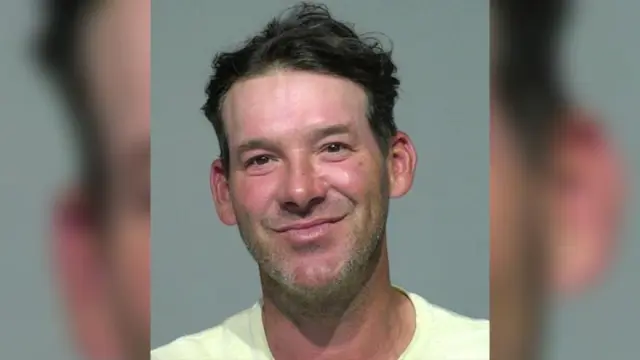
Former Cowboys Star Tony Romo Faces Potential License Suspension Following OWI Arrest and Test Refusal
Former Dallas Cowboys quarterback and current CBS NFL broadcast analyst Tony Romo is facing a significant legal hurdle after being arrested for Operating While Intoxicated (OWI) last week. According to police reports obtained by media outlets, Romo was cited not only for driving under the influence but also for refusing to submit to a chemical intoxication test during the traffic stop. Under standard implied consent laws, refusing such a test triggers an immediate administrative process that could lead to the automatic suspension of his driver's license, independent of any criminal OWI conviction.
Details emerging from the incident report suggest that law enforcement officers encountered friction when attempting to process the 44-year-old former athlete. Officers on the scene noted that Romo was difficult to work with throughout the arrest procedure, culminating in his outright refusal to perform a breathalyzer or blood test. This non-compliance has significantly complicated his legal standing. Legal experts note that prosecutors often view test refusals as an attempt to withhold evidence, while defense attorneys must now navigate an uphill battle in administrative court to prevent the automatic revocation of his driving privileges.
Since retiring from the NFL in 2017, Romo has maintained a highly visible public profile as CBS Sports' lead NFL color commentator, partnering with play-by-play announcer Jim Nantz. Neither CBS Sports nor Romo’s representatives have issued a formal statement regarding the arrest or how it might impact his broadcasting duties for the upcoming NFL season. Historically, high-profile sports media figures facing similar first-time offenses have undergone standard legal proceedings without immediate career termination, though network executives typically monitor such situations closely to assess brand impact and compliance with corporate conduct policies.
Romo is scheduled to appear in court in the coming weeks to address both the OWI charge and the refusal citation. While a test refusal can sometimes make it harder for the prosecution to prove specific blood-alcohol concentration (BAC) levels in a criminal trial, it simultaneously guarantees a separate administrative hearing regarding his driving privileges. If convicted of the OWI alongside the refusal citation, Romo could face penalties including substantial fines, mandatory alcohol education programs, and a license suspension ranging from six months to a year.