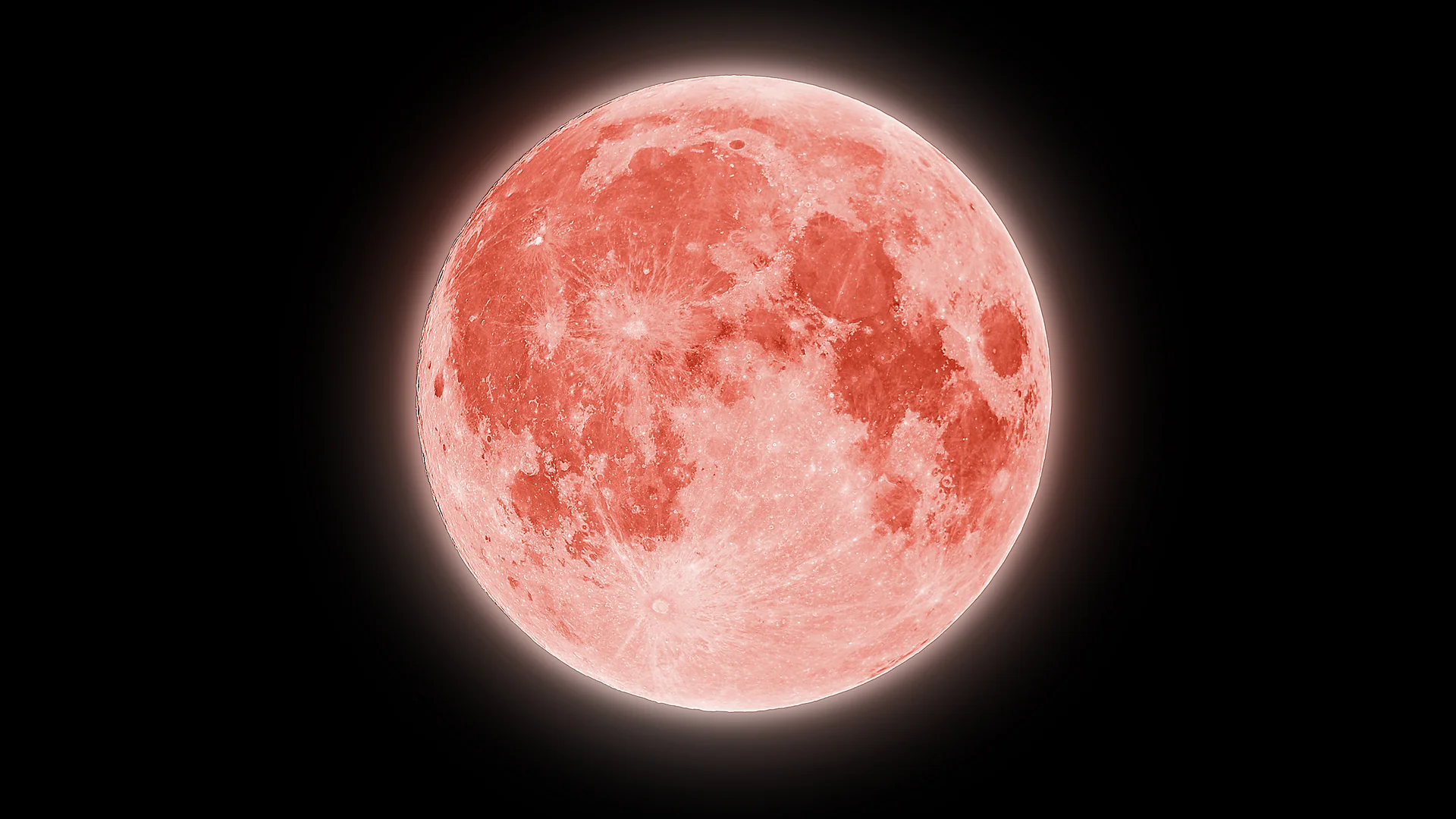
The Strawberry Moon Appears Tonight, but This Full Moon Is not Pink at All
June skywatchers are in for a celestial treat tonight as the "Strawberry Moon" makes its annual appearance, marking the first full moon of the summer season. Despite its evocative name, observers stepping outside expecting to see a vibrant pink or reddish orb in the night sky will likely be disappointed. The moniker is rooted in seasonal folklore rather than astronomical color changes, serving as a historic reminder of how early civilizations tracked the passage of time through the cycles of the moon.
The name "Strawberry Moon" originates from Native American traditions, specifically from the Algonquin tribes who inhabited regions of northeastern North America. For these communities, the June full moon served as a vital environmental marker, signaling that wild strawberries were ripe and ready for harvesting. In Europe, where strawberries are not native, this particular lunation historically carried different names, such as the "Honey Moon" or the "Mead Moon," which were associated with the traditional June harvesting of honey, or the "Rose Moon," referencing the blooming of summer flowers.
"While the moon won't actually turn pink tonight, its positioning can sometimes create a stunning visual illusion," explains Dr. Sarah Jenkins, an astronomer at the Planetarium Science Center. "Because the June full moon occurs close to the summer solstice, it sits relatively low in the sky for observers in the Northern Hemisphere. When the moon is positioned near the horizon, its light must travel through a thicker layer of Earth's atmosphere. This scatters shorter wavelengths of light, like blue and violet, while allowing longer red and orange wavelengths to pass through, occasionally giving the moon a warm, golden, or amber hue."
To catch the best view of the Strawberry Moon, astronomers recommend looking toward the southeast horizon shortly after sunset, as the moonrise offers the most dramatic optical illusion of size and color. No special equipment is required to enjoy the spectacle, though binoculars or a small telescope can reveal finer details of the lunar craters and maria. As long as local weather conditions permit clear skies, tonight’s lunar display offers a perfect, accessible opportunity for families and amateur stargazers alike to appreciate the natural rhythms of our solar system.