The Ruined Lawns of Reagan's America: ‘The End of Oak Street’ and the Subversion of Suburbia
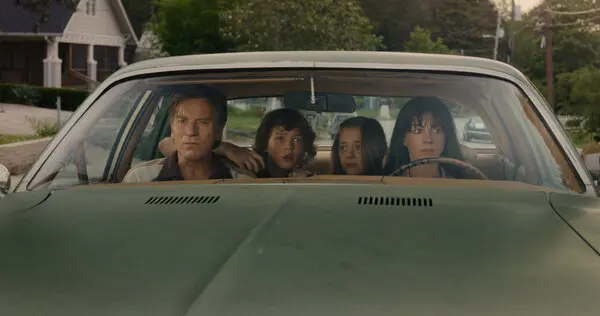
There is a sacred, almost religious complacency to the cinematic 1980s American suburb—a landscape of pastel-hued siding, sprinkler-soaked lawns, and the low hum of station wagons returning from newly minted shopping malls. It is a world we have seen mythologized, fetishized, and relentlessly mined for nostalgia. Yet, in The End of Oak Street, this pristine cul-de-sac becomes a canvas not of childlike wonder, but of visceral, primordial chaos. The premise is disarmingly simple: dinosaurs, unleashed by some unexplained cosmic or scientific aberration, descend upon a quiet neighborhood. But what could have easily devolved into a brainless, B-movie exercise in scale-and-teeth horror is instead elevated by a sharp, satirical intellect that treats its prehistoric invaders as the ultimate critics of modern domesticity.
The film operates with a brilliant, dual-layered consciousness. On one level, the physical thrills are impeccably realized; the sight of a suburban mother, clad in high-waisted denim, dodging a raptor behind a towering wall of Tupperware is both thrilling and absurd. The director handles the creature set-pieces with a kinetic elegance, utilizing the claustrophobic geometry of the cul-de-sac—the dead ends, the identical garages, the fragile sliding glass doors—to maximize tension. These are not the noble, majestic beasts of modern blockbusters, but dirty, opportunistic predators slicing through the thin veneer of late-twentieth-century security.
> "By pitting the ancient terrors of the Jurassic against the fragile illusions of the nuclear family, the film exposes the flimsy foundation of our celebrated domestic peace."
Where The End of Oak Street truly triumphs, however, is in its refusal to play by the rules of the Spielbergian playbook it so gorgeously mimics. Rather than uniting the community in a triumph of the human spirit, the crisis exposes the pettiness and isolation of the neighborhood's denizens. The patriarchs bluster and fail, their consumerist armor—represented by riding lawnmowers and golf clubs—proving entirely useless against the indifferent cruelty of nature. The film slyly deconstructs the very nostalgia it peddles, suggesting that the manicured safety of the suburbs was always a fragile construct, waiting to be punctured by the first wild thing to claw at the screen. It is a wonderfully subversive, elegantly executed piece of genre cinema that understands that sometimes, the only way to truly examine a culture is to let the monsters tear it apart.