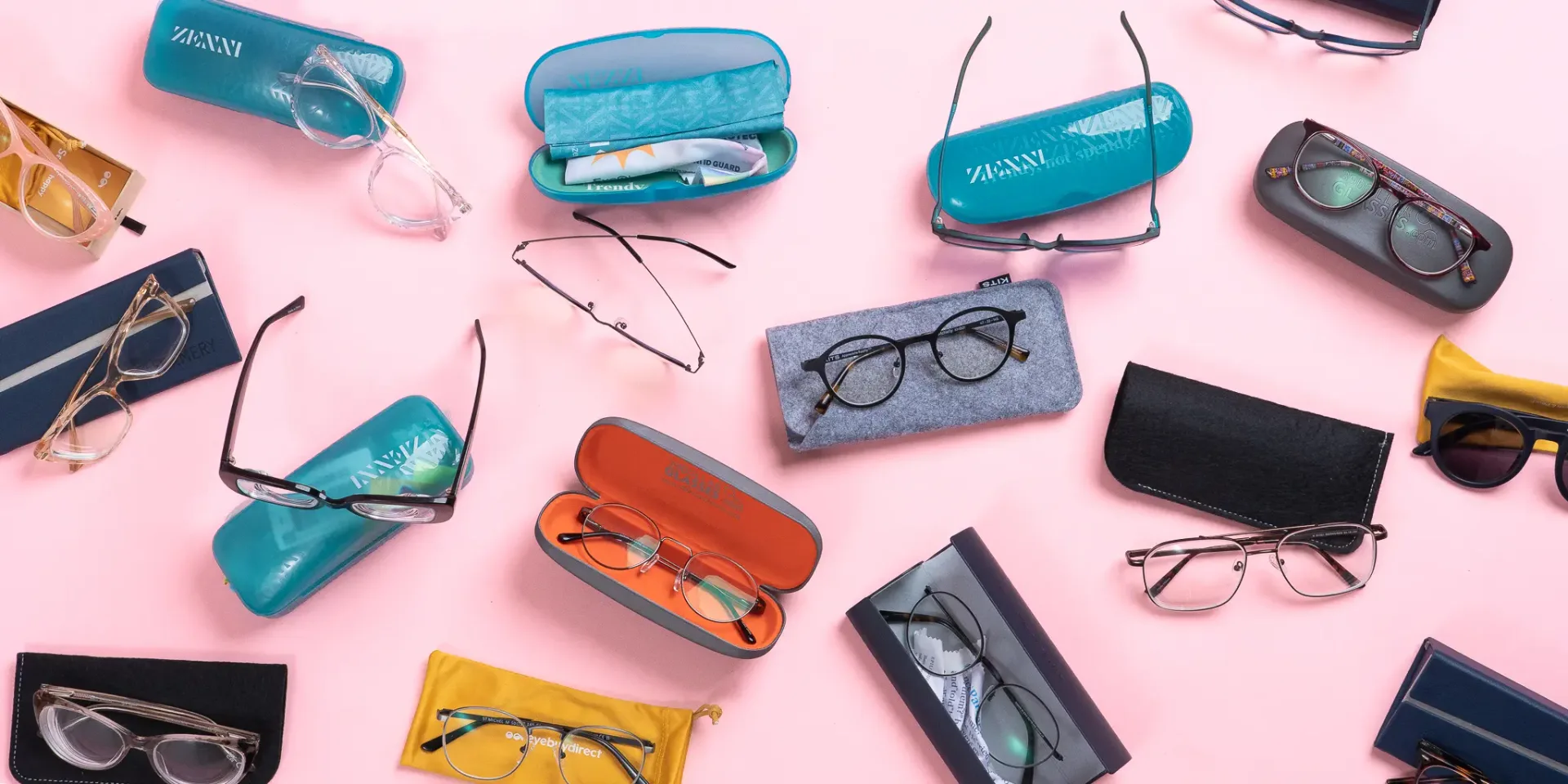
Clearer Vision Within Reach: Navigating the Market for Over-the-Counter Reading Glasses
As we age, the human eye undergoes a natural process called presbyopia, a gradual thickening and loss of flexibility in the lens. This transformation typically begins in the early 40s, manifesting as difficulty focusing on close-up tasks such as reading menus, smartphone screens, or fine print. While a comprehensive eye exam with an optometrist is essential for monitoring overall ocular health, many individuals find that they do not require a full prescription to correct these age-related changes. For millions of consumers, over-the-counter (OTC) reading glasses offer an accessible, affordable, and immediate solution for magnifying nearby text without the wait times associated with specialty optical clinics.
The accessibility of non-prescription eyewear has transformed significantly over the last decade. Once relegated to generic displays in dusty corner drugstores, reading glasses are now available through a diverse range of retailers that prioritize both functional clarity and contemporary fashion. From high-end lifestyle boutiques that offer blue-light filtering technology to big-box retailers providing multi-pack value options, the modern market caters to a wide spectrum of visual needs and aesthetic preferences. Industry experts note that while OTC glasses are standardized—meaning both lenses feature the same magnification strength—they are a perfectly safe and effective choice for those whose eyes share similar refractive needs and who do not suffer from astigmatism or significant differences in prescription between the two eyes.
When shopping for reading glasses, consumers are encouraged to consider several key factors beyond mere magnification strength, which typically ranges from +1.00 to +3.00 diopters. Quality construction, frame durability, and the inclusion of anti-reflective coatings can substantially improve the user experience. Many top-rated retailers currently provide "virtual try-on" tools, allowing users to gauge frame size and style against their face shape from the comfort of their homes. To ensure optimal utility, professionals suggest the following checklist when evaluating potential purchases:
- Magnification Accuracy: Start with the lowest power that allows you to read text clearly at a comfortable distance.
- Lens Technology: Look for blue-light protection if you frequently transition between physical reading materials and digital screens.
- Material Quality: Opt for high-grade polycarbonate lenses that are scratch-resistant and lightweight for prolonged wear.
- Frame Ergonomics: Prioritize spring-hinge temples, which provide a more flexible and comfortable fit for various head sizes.
Ultimately, while convenience is a primary driver for buying non-prescription glasses, it should not replace routine clinical screenings. Regular check-ups are vital to rule out more serious underlying conditions, such as glaucoma or macular degeneration, which are not corrected by simple magnification. By blending the ease of retail accessibility with proactive health management, consumers can maintain sharp, comfortable vision while enjoying a vast array of stylish options that complement their personal look.