Sanctuary Breached: Inside the Virginia Campus Shooting and the Pathos of its Aftermath
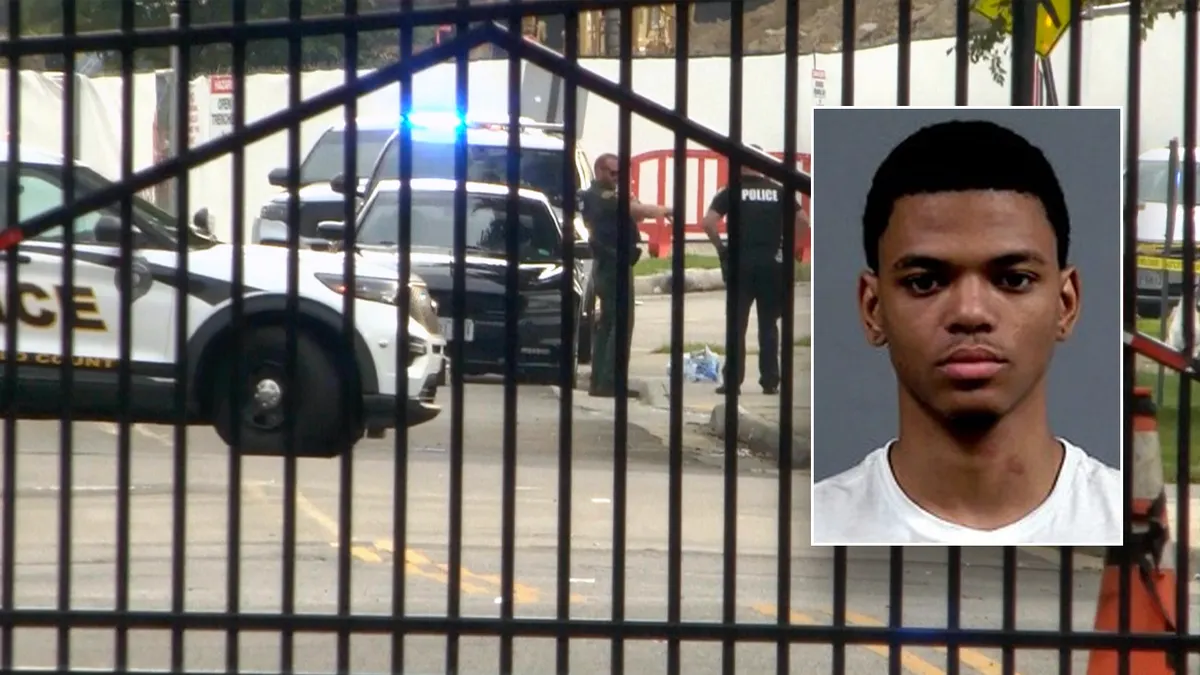
The American campus has long been mythologized as a pastoral enclave, an intellectual cloister designed to insulate the young from the harsher, more predatory realities of the outside world. Yet, this fragile illusion of the ivory tower was shattered once more on a Virginia campus when gunfire erupted outside a residence hall, leaving five wounded and a community grappling with the violent erosion of their safe haven. The victims, caught in a sudden cascade of violence in a space reserved for study and socialization, became the latest casualties in an ongoing national epidemic that refuses to respect scholastic boundaries. What made this intrusion particularly unsettling was the alien nature of its source: the suspect, police quickly revealed, was an outsider—an adolescent interloper with no academic or residential affiliation to the institution he terrorized.
The subsequent manhunt ended not with a dramatic, cinematic standoff, but with a scene of quiet, almost pathetic anti-climax. Authorities ultimately discovered the teenage suspect tucked away in the suffocating dark of a closet—a stark, claustrophobic image that stands in jarring contrast to the expansive terror he had unleashed hours prior. This regression to a primal, childlike hiding spot underscores a grim, recurring psychological profile in contemporary youth violence: the rapid transition from an armed arbiter of life and death to a frightened adolescent cowering among hanging clothes. It is a portrait of modern alienation, where the destructive grandiosity of a shooting collapses instantly into the whimpering reality of capture, leaving investigators to dissect the motives of a boy who crossed both a geographic and moral border to leave his mark in blood.
> "The illusion of campus security is increasingly difficult to maintain when the threats are entirely external, unpredictable, and mobile."
In the wake of the gunfire, the university is left to navigate the delicate, painful process of reclamation, attempting to restore a sense of normalcy to pathways now marked by the memory of muzzle flashes and collective trauma. While the physical wounds of the five injured victims will be treated, the psychological architecture of the student body has been fundamentally altered. This incident reopens the perennial debate over campus security and the porous nature of these supposedly secure environments in an age of hyper-accessibility. In a society where the periphery of the university is so easily breached by external chaos, the sanctuary of higher education feels increasingly fragile—a beautifully manicured stage vulnerable to the tragic, unpredictable intrusions of a fractured world.