Beyond Nostalgia: Is the Remake Strategy Nintendo’s New Blueprint for the Next Generation?
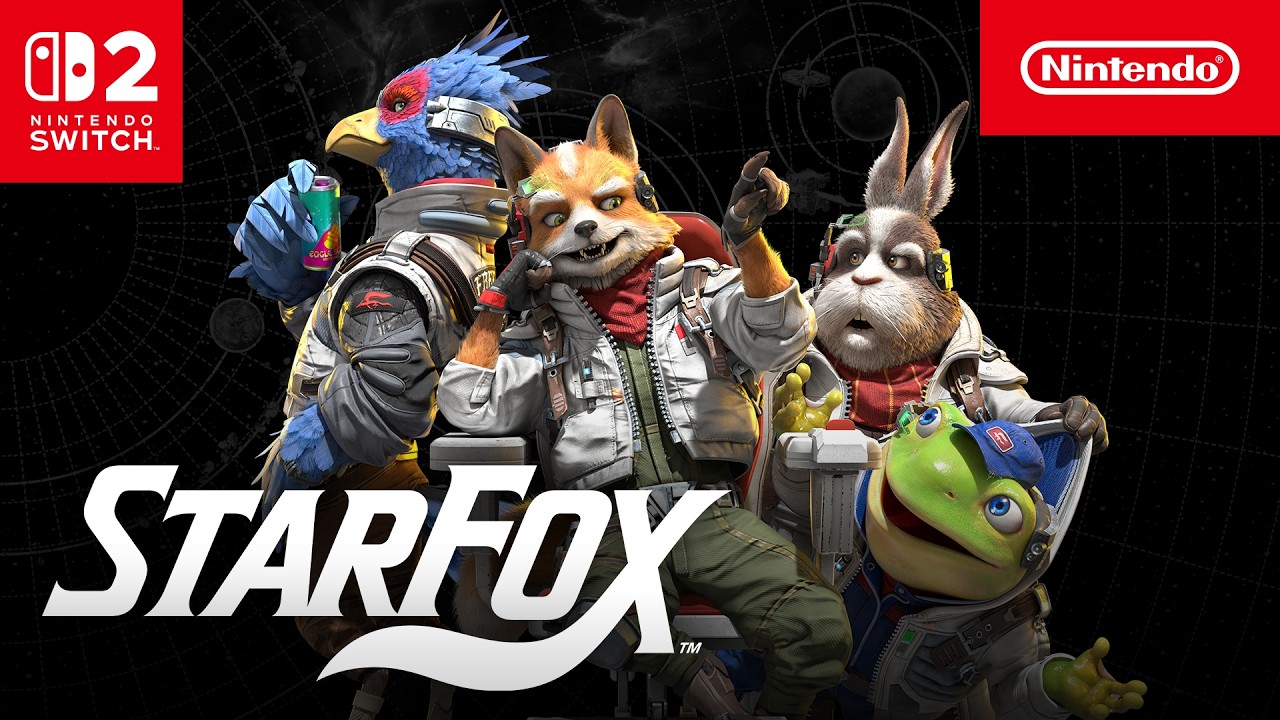
As rumors swirl regarding the launch of Nintendo’s successor to the Switch, the company’s recent trajectory suggests a shift in how it manages its storied intellectual property. The latest buzz surrounding a potential Star Fox remake for the next-generation console has reignited a broader conversation about Nintendo's reliance on revitalizing its back catalog. By polishing beloved titles from the SNES, GameCube, and Nintendo 64 eras, the Kyoto-based gaming giant is effectively bridging the gap between legacy fanbases and modern hardware capabilities. For long-time players, these remakes offer a refined sensory experience that preserves the original’s spirit while stripping away the technical limitations of 1990s and early 2000s processing power.
The Looming Shadow of 'Ocarina of Time'
Industry analysts have been quick to note that the Star Fox project is not an isolated experiment but part of a calculated ecosystem strategy. With persistent reports suggesting that the legendary The Legend of Zelda: Ocarina of Time is next on the development slate for the upcoming platform, the narrative surrounding Nintendo’s output is changing. Critics argue that this cycle of "endless revisiting" is a double-edged sword. While these titles undoubtedly sell, they raise difficult questions about creative stagnation. Industry observers suggest that Nintendo is betting on "comfort gaming"—the idea that consumers will consistently purchase high-fidelity versions of titles they have already finished, simply because the emotional tether to those franchises remains the company’s greatest market advantage.
A Sustainable Model or a Creative Plateau?
Whether this trend is a cause for concern or a mark of brilliance depends on one’s perspective on gaming preservation. From a business standpoint, remakes allow Nintendo to maintain a steady software cadence while their internal teams focus on the long-lead development cycles required for brand-new, ambitious titles. However, the reliance on nostalgia poses a challenge for future hardware:
- The Nostalgia Loop: The consistent repackaging of hits like Star Fox or Ocarina of Time risks turning a legendary catalog into a revolving door of iterative releases rather than a foundation for innovation.
- Technical Modernization: These projects serve as a playground for developers to master new hardware, providing a "safe" launch window for the Switch 2 before developers pivot to risky, original IP.
- Consumer Expectations: As players become accustomed to visual overhauls, the pressure increases for every classic title to receive the same treatment, potentially crowding out smaller, experimental indie projects.
Ultimately, Nintendo’s remake strategy functions as a masterclass in risk mitigation. By prioritizing the "greatest hits" alongside new entries, the company ensures that its next console will launch with a library that is instantly recognizable and deeply loved. Yet, as the industry moves forward, the success of these remakes underscores a poignant reality: in an era of rapid technological advancement, players are frequently finding that their most cherished innovations are the ones that happened decades ago. The question remains whether Nintendo can balance this nostalgia-driven revenue stream with the bold, original vision that originally made these franchises iconic.