The Gravity of Illusion: Magic Mountain’s X2 and the Cost of Engineered Terror
For decades, the modern amusement park has operated on a tacit, highly lucrative covenant: the commodification of terror without the consequence. We willingly strap ourselves into multi-million-dollar contraptions of steel and gravity, demanding the visceral sensation of a near-death experience while relying implicitly on the absolute certainty of our survival. Yet at Six Flags Magic Mountain in Valencia, California, that illusion has curdled into a stark, clinical reality. The X2—a legendary, "fifth-dimensional" monolith designed to spin riders 360 degrees as they plunge headfirst down a 200-foot drop—has been abruptly grounded. The closure follows a devastating investigative inquiry detailing a legacy of neurological violence, linking the flagship attraction not merely to the expected bumps and bruises of extreme physics, but to two historic fatalities and a recent, alarming spate of traumatic brain injuries (TBIs).
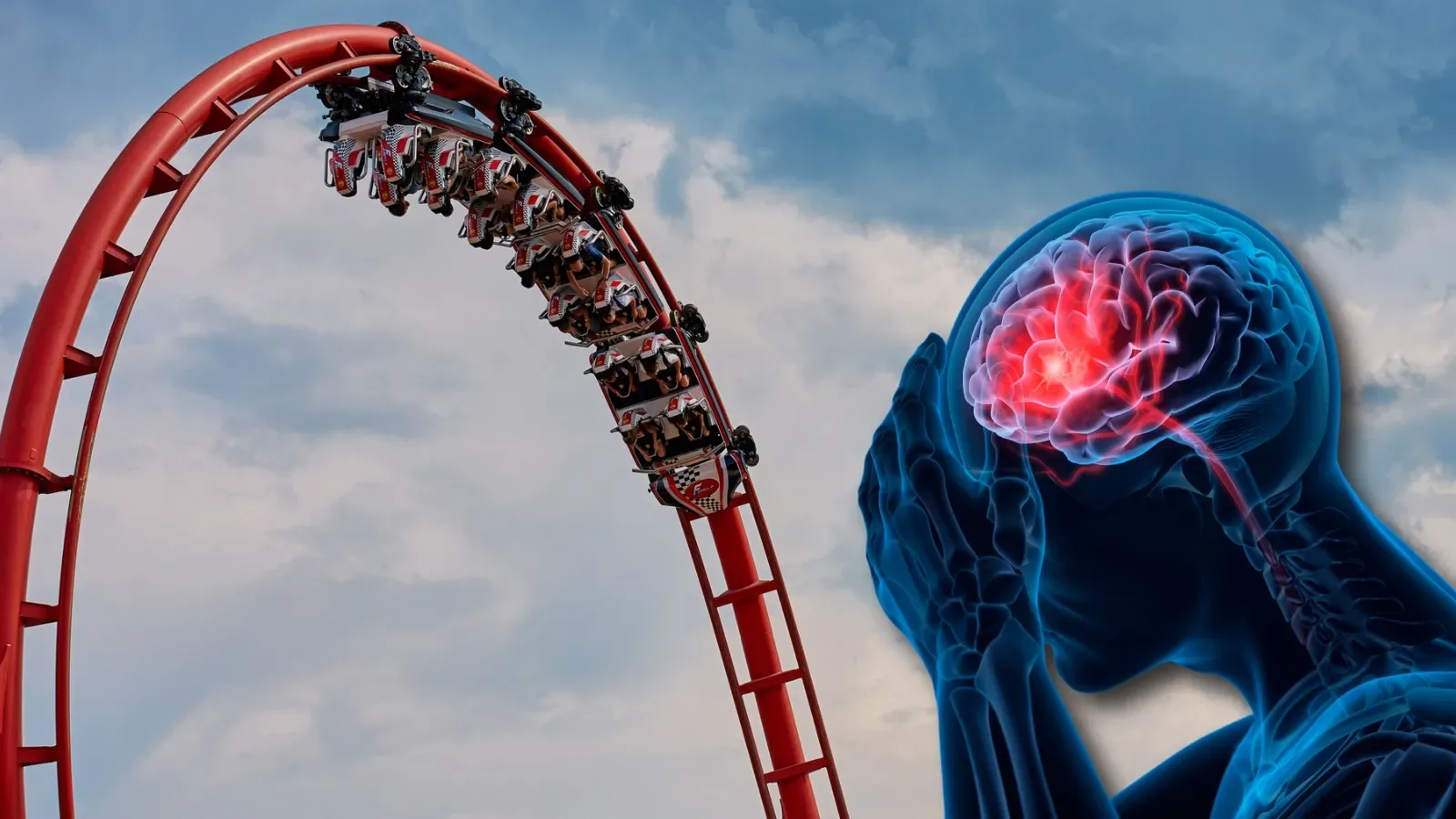
To ride X2 was to subject the human frame to an aggressive, deeply disorienting choreography. Unlike traditional roller coasters that restrict movement to a single fixed track, X2’s seats rotate independently on a secondary axis, creating an unpredictable motion that critics argue routinely exceeded the neck’s natural structural tolerance. Public records newly brought to light reveal that the ride’s kinetic fury frequently crossed the threshold from exhilarating to catastrophic. Riders reported their heads being violently whipped back and forth, their brains subjected to forces that left them with lingering cognitive deficits, severe vertigo, and the terrifying realization that their search for a brief weekend dopamine hit had resulted in permanent neurological compromise. The mechanical hubris of the park’s engineering had, it seemed, collided directly with the fragile architecture of the human skull.
> "We willingly strap ourselves into multi-million-dollar contraptions of steel and gravity, demanding the visceral sensation of a near-death experience while relying implicitly on the absolute certainty of our survival."
For Six Flags, the grounding of their flagship titan represents more than a public relations disaster; it is a profound rupture in the narrative of sterilized adventure. For years, the whisper networks of roller coaster enthusiasts had warned of X2’s notorious "rattle"—the violent, high-frequency vibrations that transformed a thrill ride into a physical gauntlet. By seemingly prioritizing high-capacity throughput and adrenaline-fueled marketing over these mounting warning signs, the park allowed a celebrated monument of extreme engineering to morph into a liability. As the giant steel structure now sits silent against the Southern California sky, it serves as a sobering monument to a cultural truth: when we constantly demand ever-greater thresholds of simulated peril, we eventually, inevitably, invite the real thing.