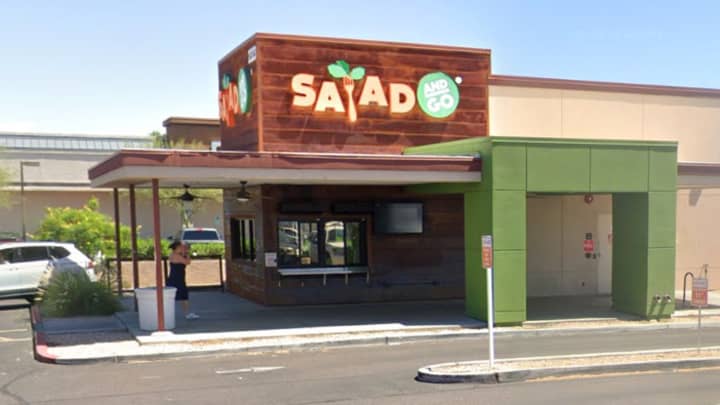
The Poisoned Chalice of Democratized Greens: Inside the Fall of Salad and Go
There is a distinct modern hubris in attempting to industrialize the pastoral. For a brief, glittering moment, Salad and Go was positioned as the populist antidote to the coastal elitism of competitors like Sweetgreen—a drive-thru revolution promising organic, life-extending roughage at a price point that rivaled the fast-food double-cheeseburger. Under the ambitious, aggressive stewardship of private equity firm Volt Investment, the Arizona-born upstart embarked on a breathless, capital-fueled expansion across the American Sunbelt, transforming vacant asphalt corners into sleek, minimalist temples of rapid-fire nutrition. It was a compelling narrative of democratized wellness, predicated on the promise that one could consume ethically and healthily without paying the performative, double-digit premium demanded by metropolitan salad boutiques.
But the mathematics of mass-market agriculture are notoriously unforgiving, and the brand’s rapid ascent was ultimately derailed not by a shift in consumer taste, but by the invisible, microscopic vulnerabilities of the modern supply chain. The sudden emergence of cyclospora—a stubborn, waterborne parasite that makes a mockery of state-of-the-art washing facilities—shattered the delicate illusion of pristine, industrialized agriculture. A rash of food safety fears quickly mutated from a localized health notice into a devastating existential crisis. In the hyper-vigilant court of public opinion, a single whisper of contamination can curdle a brand’s reputation overnight, transforming what was once celebrated as a crisp, refreshing alternative into a vector of biological anxiety.
Now, burdened by the immense capital expenditures of its rapid-fire rollout and a crippled consumer trust, Salad and Go has filed for Chapter 11 bankruptcy protection. The filing serves as a poignant, sobering autopsy of the contemporary fast-casual dream, exposing the stark limits of venture-backed scaling when applied to highly perishable, volatile biological products. As Volt Investment and the chain’s restructured leadership attempt to salvage the remaining assets under the cold, clinical eye of the bankruptcy court, the collapse stands as a cautionary tale for an era obsessed with disrupting the dinner plate. It suggests that while capital can build drive-thrus at breakneck speed, it remains entirely powerless against the ancient, stubborn realities of the soil.