The Spectacle Eats Itself: Perez Hilton, the Baker Act, and the Cost of the Feed
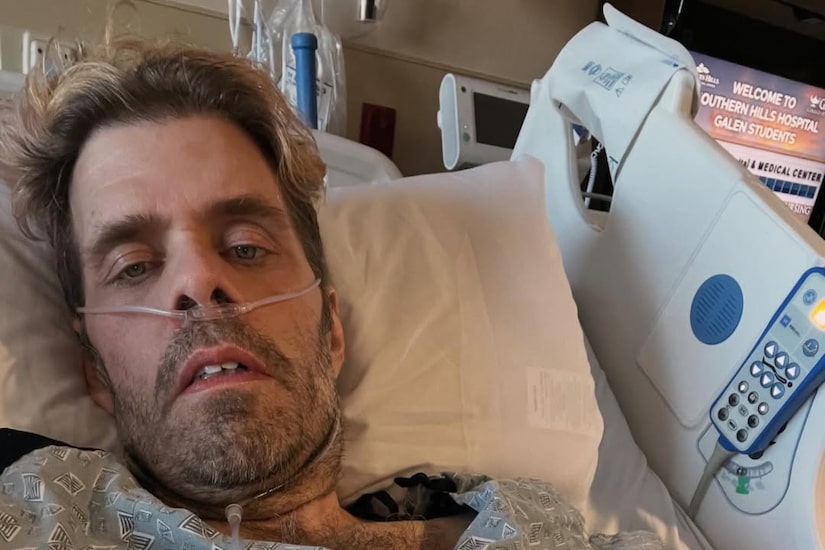
In the colosseum of the modern internet, the boundary between the gladiator and the spectator has always been perilously thin. For Mario Lavandeira—known to the world for two decades as the pink-haired, vitriolic gossip progenitor Perez Hilton—that boundary dissolved entirely this week. In a grim, surreal denouement to a career built on the public dissection of celebrity vulnerability, Lavandeira’s family confirmed that he remains hospitalized under Florida’s Baker Act. The involuntary psychiatric hold follows a chaotic, deeply alarming live-streamed broadcast in which Lavandeira engaged in self-destructive acts that left him not only psychologically fractured but physically shattered, now awaiting major surgery to repair the self-inflicted damage.
The clinical reality of the Baker Act—Florida’s legal mechanism for temporary, involuntary institutionalization of those deemed a danger to themselves or others—stands in stark, cold contrast to the manic theater of the digital attention economy. For years, Hilton was the architect of early-aughts cyberbullying, a man who traded in the currency of the public breakdown, scribbling cruel MS-Paint doodles over paparazzi photos of starlets spiraling in real-time. There is a tragic, feedback-loop irony in his current predicament. As the digital landscape migrated from static blogs to the unvarnished, high-wire intimacy of live-streaming, Lavandeira seemed to succumb to the very monster he helped create: an insatiable demand for engagement that eventually demanded his own flesh.
```
"The dangerous acts broadcast to his followers were not merely a plea for clicks, but the terminal velocity of a persona that could no longer distinguish between a captive audience and a cry for help."
```
According to statements released by his family on his official website, the physical toll of his recent episode is severe enough to require orthopedic surgery, though the precise nature of his injuries remains closely guarded. The family’s plea for privacy and empathy is a quiet, desperate attempt to erect a firewall around a man who spent his life dismantling the very concept of personal boundaries. It is an appeal for a grace that the internet rarely affords, particularly to its fallen gods.
Ultimately, this hospitalization represents a sobering chapter in the history of internet culture. The pioneer who once reigned supreme over the golden age of tabloid cruelty is now a vulnerable patient under fluorescent hospital lights, undergoing a very physical, very public reckoning. It serves as a stark reminder of the ultimate cost of a life lived entirely for the feed—and the terrible moment when the camera finally, mercifully, has to be turned off.