The Thaw at the Choke Point: How Diplomatic Murmurs in Washington Sent Oil Slumping
The Strait of Hormuz has long functioned as the carotid artery of the global energy economy—a narrow, volatile strip of water through which a fifth of the world’s petroleum must squeeze, and where a single miscalculation can send shockwaves through the trading floors of London, Tokyo, and New York. This week, those hyper-sensitive markets experienced a sudden, cooling relief. Oil prices slid precipitously following a coordinated duet of optimism from Washington, where Secretary of State Marco Rubio and Treasury Secretary Scott Bessent announced that high-stakes negotiations to reopen the vital maritime passageway had progressed from hostile gridlock into the realm of the plausible. For a global economy perpetually teetering on the edge of inflationary anxiety, the announcement was treated less like a routine bureaucratic update and more like a secular saving grace.
```
"The market does not wait for ink to dry on treaties; it trades on the mere whisper of a corridor reopening."
```
The diplomatic breakthrough bears the distinct stylistic signatures of the new administration’s foreign policy apparatus: a calculated blend of hawkish leverage and pragmatic financial realism. Rubio, operating with his characteristic rhetorical sharpness, framed the discussions not as a concession, but as the inevitable result of strategic pressure. Beside him, Bessent—the administration’s fiscal architect—offered the reassuring undertone of a man who understands that peace is often most persuasive when it is profitable. Together, their joint pronouncements served as a masterclass in market choreography. By signaling that shipments could soon resume, they managed to deflate the geopolitical risk premium that had been keeping crude futures artificially bloated, demonstrating once again that in the modern theater of global statecraft, perception is a currency every bit as powerful as reality.
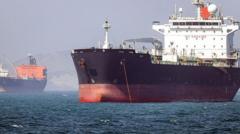
Yet, this sudden market correction exposes the profound fragility undergirding our interconnected world. The collective sigh of relief from Wall Street underscores a uncomfortable truth: the entire apparatus of Western consumer capitalism remains subservient to geographic bottlenecks and the mercurial temperaments of the states that flank them. A few percentage points shaved off the price of Brent crude may buoy consumer confidence in the short term, but it does little to alter the structural vulnerability of relying on a singular, thirty-mile-wide channel. For now, tankers idling in the Gulf of Oman may be preparing to weigh anchor, but seasoned observers of the region know that any equilibrium achieved in these waters is, by definition, temporary. Rubio and Bessent have successfully cooled the speculative fever, but the deeper, simmering tensions of the Persian Gulf remain entirely unextinguished.