The Alchemy of the Countertop: How a Nineties Cult Classic Sparked a Kitchenware Revolution
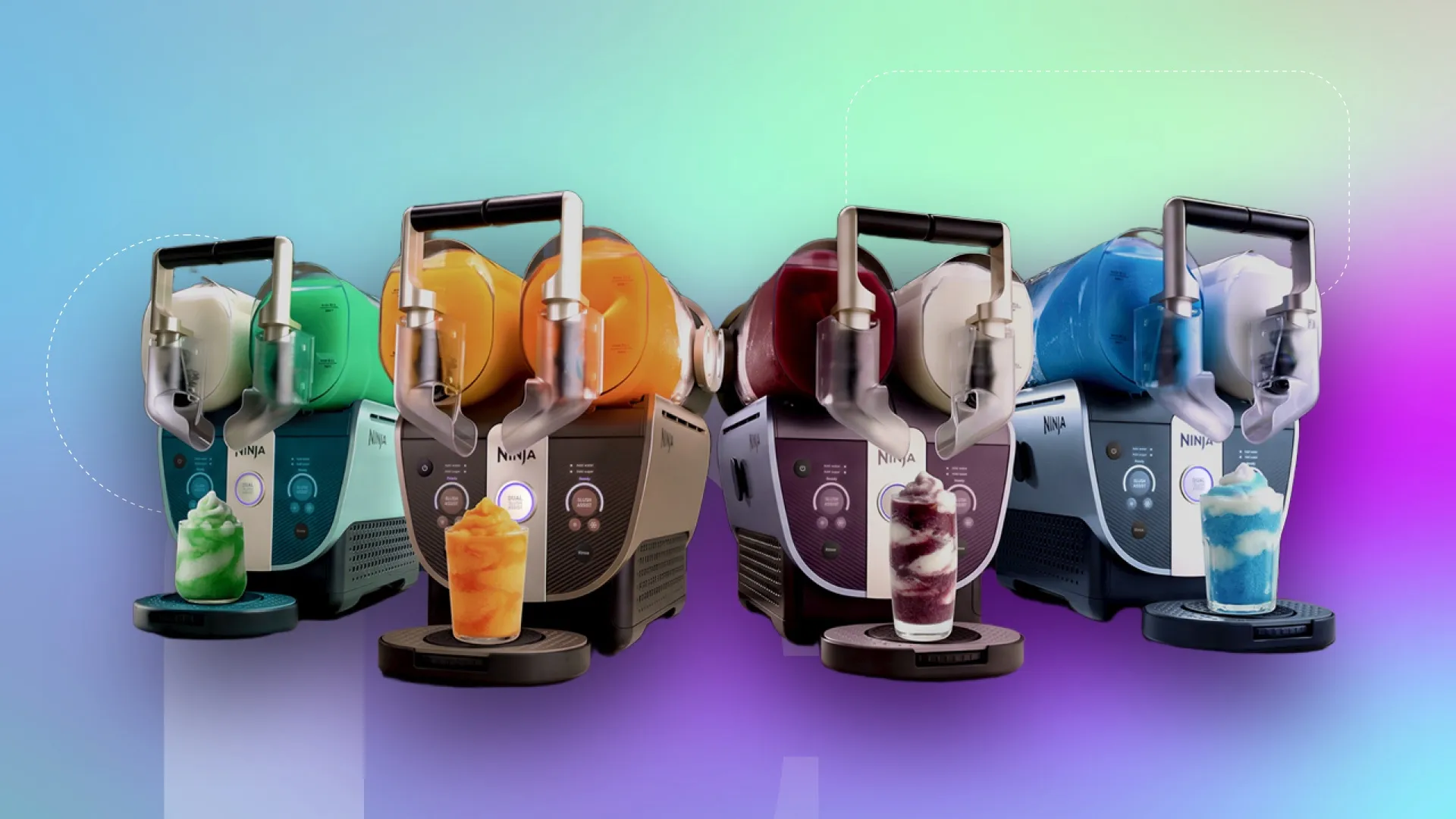
It is a truth tacitly acknowledged among a certain generation of cinephiles that domestic bliss is best measured in the frantic, salt-rimmed ritual of the "midnight margarita." In 1998, Sandra Bullock and Nicole Kidman danced around a dimly lit, copper-pot-strewn Victorian kitchen to the lupine howl of Harry Nilsson, cementing Practical Magic not merely as a beloved film, but as an enduring aesthetic philosophy of cozy, sisterly rebellion. Now, ahead of the highly anticipated sequel slated for this autumn, appliance giant Ninja has tapped directly into this vein of domestic alchemy. The brand’s latest release—a Practical Magic-inspired iteration of its viral slushie machine, cloaked in new, bewitching colorways—arrives as both a tribute to the Owens sisters and a masterclass in the commodification of nostalgia.
The appetite for this particular brand of kitchen-counter sorcery is, evidently, insatiable. When Ninja initially launched its professional-grade frozen beverage maker, the inventory vanished in a breathtaking two hours, leaving behind a trail of empty digital shopping carts and viral lamentations. The swift sell-out signaled a deeper consumer truth: we are no longer satisfied with appliances that merely perform; we demand they evoke. In response to this ravenous reception, the company has conjured a restock wrapped in "spellbinding shades"—deep, velvety jewel tones that suggest late-October twilights and dried lavender. The machine itself promises to turn ordinary spirits, juices, and syrups into micro-shaved ice of near-supernatural consistency, effectively democratizing the coveted midnight margarita for a demographic that prefers its witchcraft pre-programmed and its cleanup effortless.
> "We no longer just buy appliances; we purchase portals to idealized lifestyles."
This intersection of high-end culinary tech and nineties cinematic lore highlights a broader, sharper cultural shift. In an era marked by digital fatigue, the home has once again become a sanctuary, and the kitchen its high altar. By aligning a sophisticated beverage maker with the whimsical, elder-millennial longing of Practical Magic, the campaign bypasses mere utility to sell an atmosphere. It suggests that with the right gadget, one’s kitchen might harbor the same wild, romantic possibilities as the Owens family homestead—minus, of course, the inconvenient family curse. As the sequel’s September promotional cycle begins to spin, this clever piece of lifestyle marketing ensures that when audiences return to the screen, they will do so with their own custom-blended, perfectly chilled elixirs in hand.