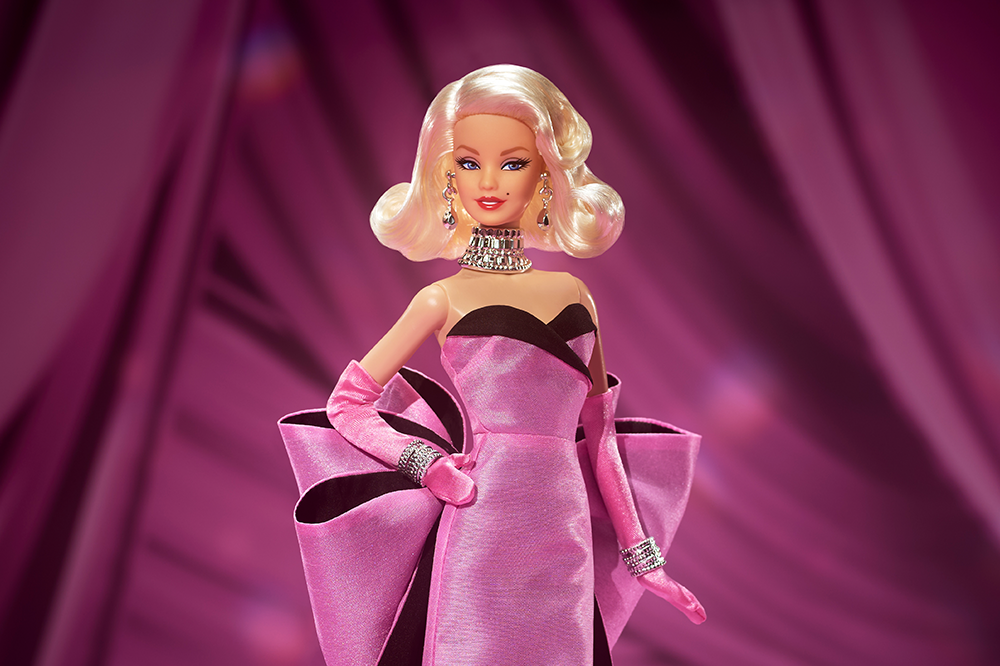
The Pink Satin Afterlife: Marilyn Monroe, Mattel, and the Art of the Eternal Return
Decades after she departed the mortal stage, Marilyn Monroe remains Hollywood’s most durable ghost—a secular saint endlessly resurrected in the liturgy of American consumerism. The latest iteration of her eternal return comes courtesy of Mattel, which has announced a new Barbie Signature collectible inspired by Monroe's definitive cinematic crescendo: her performance of “Diamonds Are a Girl’s Best Friend” in Howard Hawks’s 1953 musical masterpiece, Gentlemen Prefer Blondes. Set for release on August 18—prolonging the celebratory wake of what would have been her 98th birthday in June—the doll represents a symbiotic convergence of two mid-century titans of manufactured femininity. Here, the fragile, mercurial genius of Norma Jeane is recast in the ultimate, indestructible medium of post-war design: injection-molded plastic.
The Architecture of Glamour
To gaze upon the miniature tribute is to confront the precise geometry of William Travilla’s legendary costume design, shrunk down to a scale of eleven and a half inches. Mattel’s designers have painstakingly replicated the shocking-pink silk satin sheath gown, complete with its oversized back bow—a structural marvel that originally served to anchor Monroe’s physical comedy as she sashayed through a choreography of adoring, tuxedoed suitors. The doll features the signature platinum curls, the coyly arched brow, and the simulated sparkle of the rhinestone bracelets that she famously praised with such satirical bite. It is a triumph of archival fashion design, translating a moment of high-camp theatricality into a pristine, high-end collectible.
> "When Monroe slinked across the screen in 1953, her performance was a sly, winking critique of the patriarchal economy, a declaration that when youth fades, cold hard assets are a woman’s only reliable shield."
The Beautiful Irony of the Collectible
There is, of course, a recursive irony in this tribute. In 1953, Monroe's performance was a masterclass in subversion; she laid bare the transactional nature of romance, transforming herself into a sparkling commodity to survive a world run by men. Now, more than seven decades later, she herself has become the ultimate appreciating asset, her likeness curated, licensed, and preserved in collector-grade packaging. As this new Barbie hits shelves, it serves as a testament to our collective inability to let Marilyn go. We continue to collect her, piece by piece, dress by dress, finding a strange solace in the fact that while the real woman was tragically vulnerable, her plastic avatar remains perpetually poised, flawlessly coiffed, and safely protected behind glass.