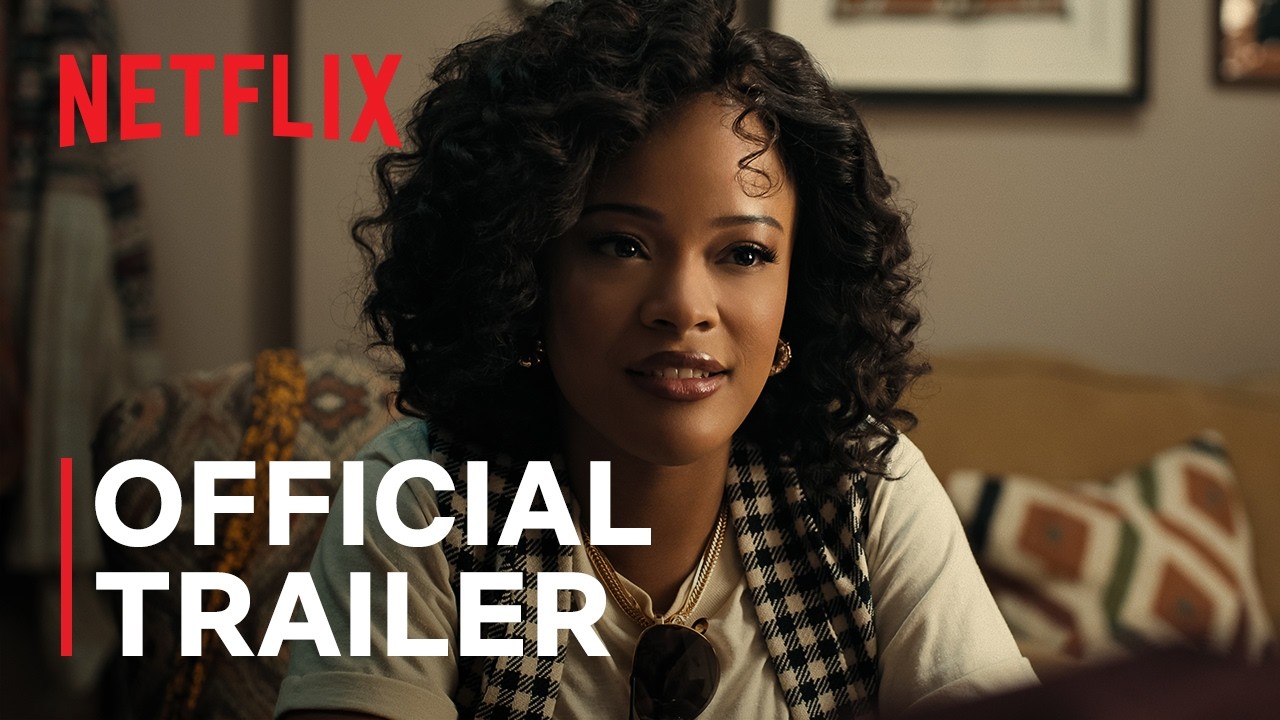
Return to Hillman: Netflix’s ‘A Different World’ Sequel and the Weight of Cultural Legacy
Thirty years after the heavy oak doors of Hillman College last closed on prime-time television, the fictive, fiercely beloved Historically Black College is reopening its gates. Netflix’s newly unveiled trailer and promotional images for its upcoming A Different World sequel series offer more than a mere exercise in Millennial nostalgia; they signal the resurrection of a profound cultural touchstone. Originally conceived in 1987 as a spin-off of The Cosby Show before quickly outgrowing its progenitor's shadow to run until 1993, the original series did not merely reflect the Black collegiate experience—it actively engineered it, driving a historic surge in real-world HBCU enrollments. In an era where prestige television often favors cynical deconstruction, this return to an idealized academic sanctuary feels both daringly sentimental and strategically calculated.
At the center of this revivalist gravity are Jasmine Guy and Kadeem Hardison, reprising their roles as the iconic Whitley Gilbert and Dwayne Wayne. The newly released glimpses tease a world where the friction of their legendary, opposites-attract romance has matured into the comfortable, albeit spirited, rhythms of institutional stewardship. The trailer captures a visual palette that respects the original’s warm, academia-chic aesthetic while polishing it with the sleek, high-definition luster expected of modern streaming. Here, the trademark flip-up glasses and southern-belle drawls of yesteryear are not treated as static museum pieces, but as living artifacts navigating a contemporary campus landscape that must now grapple with a new generation’s anxieties, digital-age activism, and evolving class dynamics.
> "The return to Hillman is not just a reunion; it is a reckoning with how a legendary institution adapts to a hyper-connected, modern student body."
Yet, reviving a legacy as heavily freighted as A Different World requires a delicate intellectual tightrope walk. The original series thrived on its uncanny ability to dissect urgent social issues—from systemic racism and the Persian Gulf War to the AIDS crisis—with a sharp, ensemble-driven wit that never succumbed to the pedantic. As Netflix attempts to translate that lightning-in-a-bottle chemistry for an audience raised on fractured media landscapes, the sequel faces the formidable challenge of proving it is more than a comforting algorithmic commodity. If these first looks are any indication, the new iteration of Hillman College intends to honor its past not by freezing it in amber, but by treating its historic legacy as an active, breathing curriculum that is still very much in session.