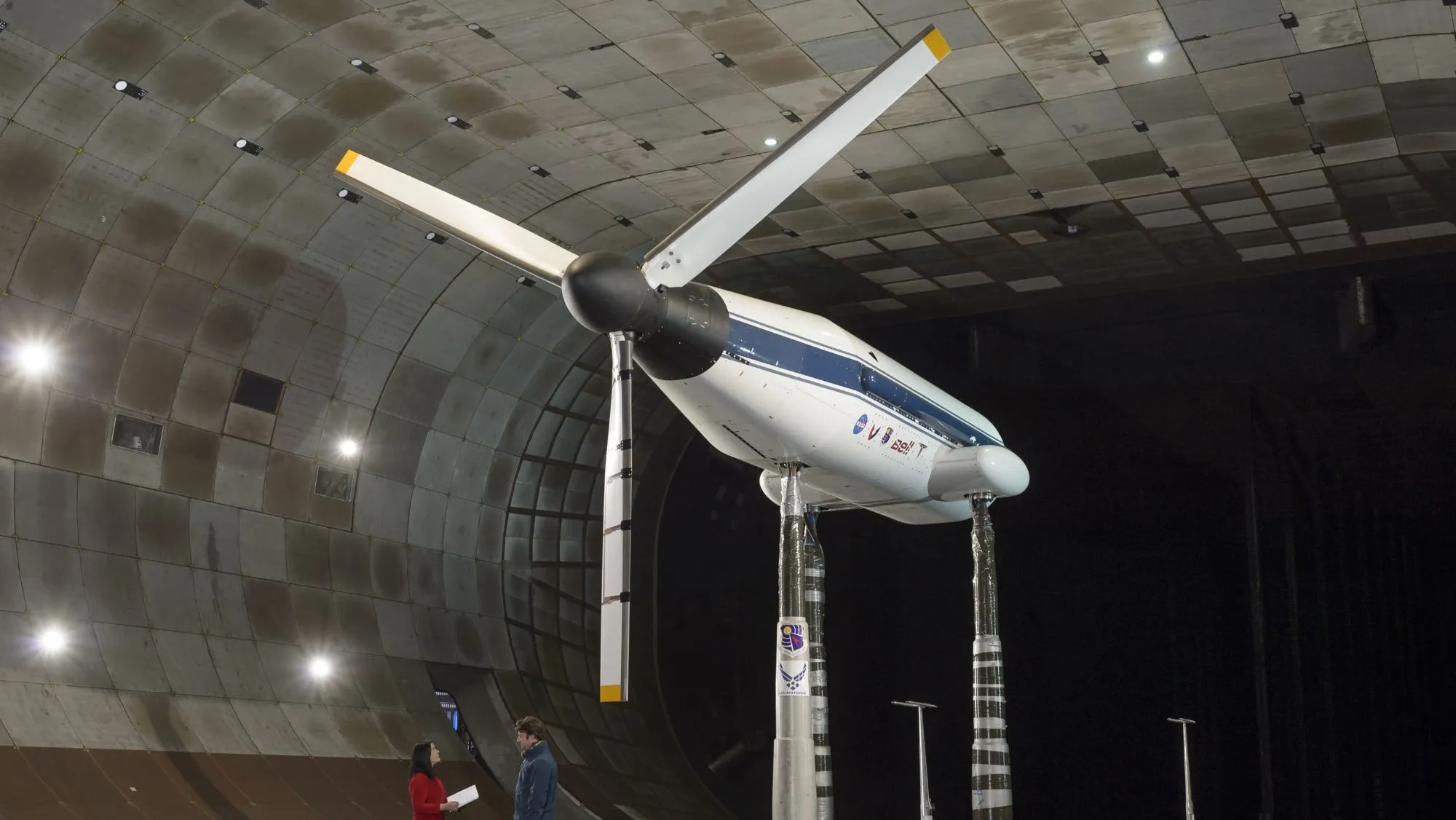
NASA Ushers in New Era of Aerodynamics with First Major Wind Tunnel in 40 Years
HAMPTON, Va. — NASA’s Langley Research Center is embarking on a landmark chapter in aerospace history with the debut of the Flight Dynamics Research Facility (FDRF). Representing the agency’s first major wind tunnel construction in more than four decades, the state-of-the-art facility is poised to revolutionize how researchers test the next generation of aircraft and spacecraft. The FDRF will officially succeed two of Langley’s most historic and longest-serving installations—the 12-Foot Low-Speed Tunnel and the 20-Foot Vertical Spin Tunnel—marking a symbolic passing of the torch in the heart of Virginia's aviation research hub.
For over a century, the wind tunnels at Langley have served as the proving grounds for virtually every major milestone in American flight. The outgoing 12-foot and 20-foot tunnels have provided critical aerodynamic data for decades, helping engineers study spin characteristics, flight stability, and recovery techniques for military fighter jets, commercial airliners, and NASA's own human spaceflight capsules. By consolidating and upgrading these legacy capabilities, the new FDRF will offer unprecedented versatility, allowing researchers to simulate complex, highly dynamic flight profiles with significantly greater precision and efficiency than its mid-century predecessors.
To meet the rapidly evolving demands of 21st-century aviation and space exploration, the FDRF introduces several key technological advancements:
- Advanced Vertical Testing: A highly sophisticated vertical test section designed to safely evaluate aircraft spin characteristics, uncontrolled flight behaviors, and capsule entry dynamics.
- Modernized Data Acquisition: Integration of high-speed laser diagnostics, advanced telemetry, and real-time computational modeling to capture aerodynamic forces instantly.
- Versatile Aerospace Applications: Broad testing capabilities designed to support everything from commercial urban air mobility (such as drones and electric air taxis) to supersonic flight concepts and NASA’s Artemis-era spacecraft.
"The Flight Dynamics Research Facility represents a vital bridge between NASA's historic legacy and its future ambitions," said a NASA Langley official. "As we look toward sustainable commercial aviation and human missions to the Moon and Mars, this facility will ensure our researchers have the world-class tools necessary to keep aviation safety and innovation at the absolute cutting edge." By significantly reducing operating costs and accelerating testing timelines, the FDRF ensures that Langley’s second century of innovation will continue to shape the future of global flight.