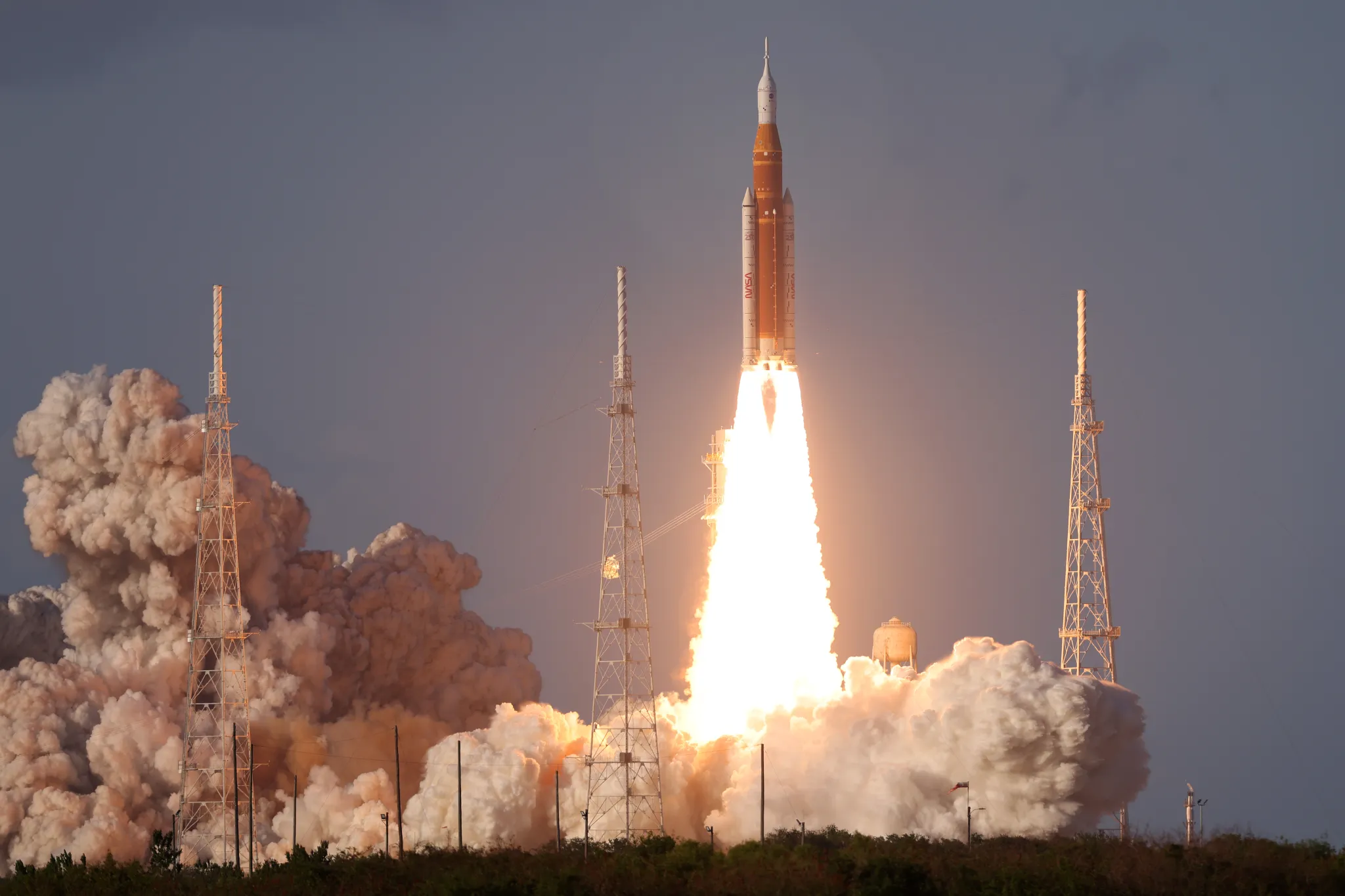
Artemis II Shatters NASA Viewership Records, Signaling Renewed Global Interest in Space Exploration
NASA’s live coverage of the Artemis II mission has officially set a new benchmark for public engagement, shattering previous agency records for digital viewership. According to official data released this week, the mission’s multi-phase journey—encompassing the initial launch, the precision lunar flyby, and the eventual splashdown—garnered more than 149.4 million views across NASA-owned streaming platforms. This figure, which includes data from the agency’s 24/7 mission feeds and dedicated Orion spacecraft camera streams, underscores a significant surge in global interest regarding the return of human spaceflight to the lunar vicinity.
The unprecedented viewership numbers represent a landmark shift in how the public interacts with contemporary space exploration. Unlike the televised broadcast era of the Apollo missions, the Artemis II coverage utilized a hyper-connected, round-the-clock digital distribution strategy. By providing constant access to mission control telemetry and high-definition views from the Orion spacecraft, NASA successfully maintained a sustained, high-level engagement that spanned the entire duration of the crewed mission. Industry analysts suggest that this "transparency-first" approach has cultivated a new generation of space enthusiasts, effectively transforming complex orbital maneuvers into accessible, real-time events for a global, internet-connected audience.
This milestone is particularly significant given the logistical challenges inherent in deep-space communications. The ability to maintain stable, high-bandwidth streams from the vicinity of the Moon to Earth required sophisticated coordination between the Deep Space Network and various ground-based distribution partners. Beyond the raw metrics, NASA officials have pointed to these numbers as a validation of the Artemis program’s broader mission: to re-establish a permanent human presence on the Moon and utilize it as a staging ground for future exploration to Mars.
As the agency transitions from the success of Artemis II to the complex preparations for the Artemis III landing, the record-breaking interest serves as a powerful indicator of public support. With millions of eyes following the Orion crew's journey, the mission has effectively cemented space travel back into the mainstream cultural consciousness. Looking ahead, the agency plans to leverage this digital momentum to bolster educational outreach and mission transparency, ensuring that the next chapter of human exploration remains as visible and collaborative as the last.