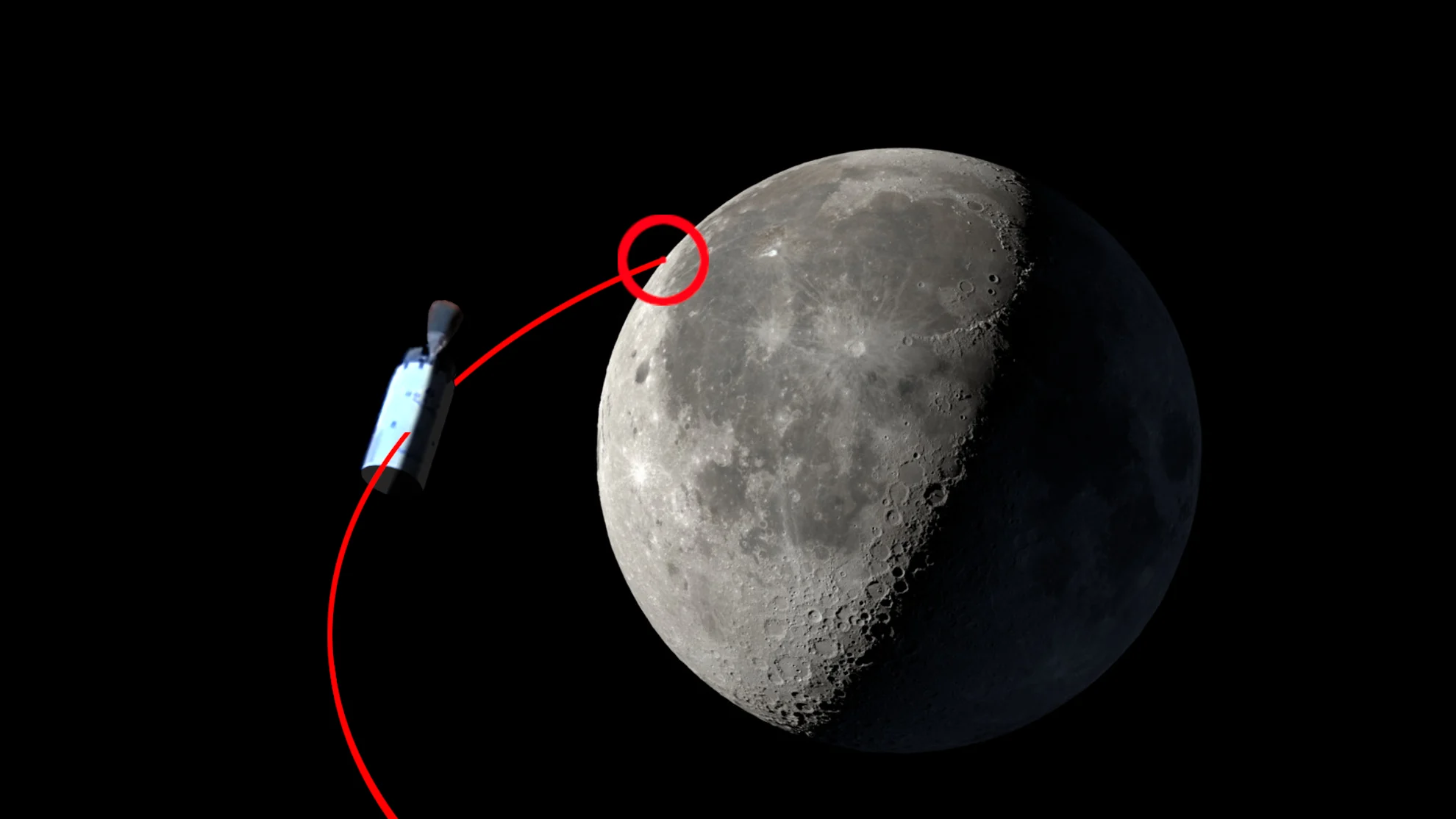
The Anatomy of a Cosmic Collision
For eons, the Moon has accumulated its scars the old-fashioned way—through the slow, violent lottery of wandering asteroids and stray meteors. But on Wednesday, August 5, the lunar surface will play host to a distinctly anthropocene artifact. A discarded Falcon 9 upper stage, a spent relic from a previous commercial mission, is hurtling toward a high-velocity rendezvous with the lunar regolith. Its target is a quiet expanse near the Einstein and Bell craters. Rather than viewing this wandering cylinder of steel and aerospace plumbing as mere orbital litter, NASA and SpaceX are transforming a stray piece of space debris into a rare, opportunistic scientific instrument.
```
Expected Impact Zone: Near Einstein & Bell Craters
Object: Spent Falcon 9 Upper Stage
Tracking Coalition: NASA & SpaceX
```
To capture this artificial impact, scientists are mobilizing a sophisticated network of ground-based observatories and orbital assets, turning a potentially forgotten piece of space junk into a diagnostic probe. When the multi-ton booster collides with the gray, powdery soil, it will kick up a plume of subsurface material. By analyzing the light filtering through this temporary cloud of lunar dust, researchers hope to glean fresh insights into the composition of the Moon’s deeper crust. It is a masterclass in scientific opportunism: utilizing the kinetic energy of our own discarded ambitions to excavate secrets that have remained buried in the lunar dark for billions of years.
There is a rich, almost literary irony in the geography of the impending crash. To strike near the Einstein and Bell craters is to physically collide with the nomenclature of human genius—monuments to men who mapped the universe’s geometric fabric and revolutionized how we communicate across vast distances. While the event poses absolutely no danger to our home planet, it serves as a poignant reminder of our expanding footprint in the void. The Moon, once a distant symbol of untamed wilderness, is gradually becoming a mirror of our own technological excess. Yet, in our collective scramble to watch the crash, we find the enduring hallmark of human curiosity: the insatiable drive to look closely at the dust of our own making, hoping to find some fragment of truth.