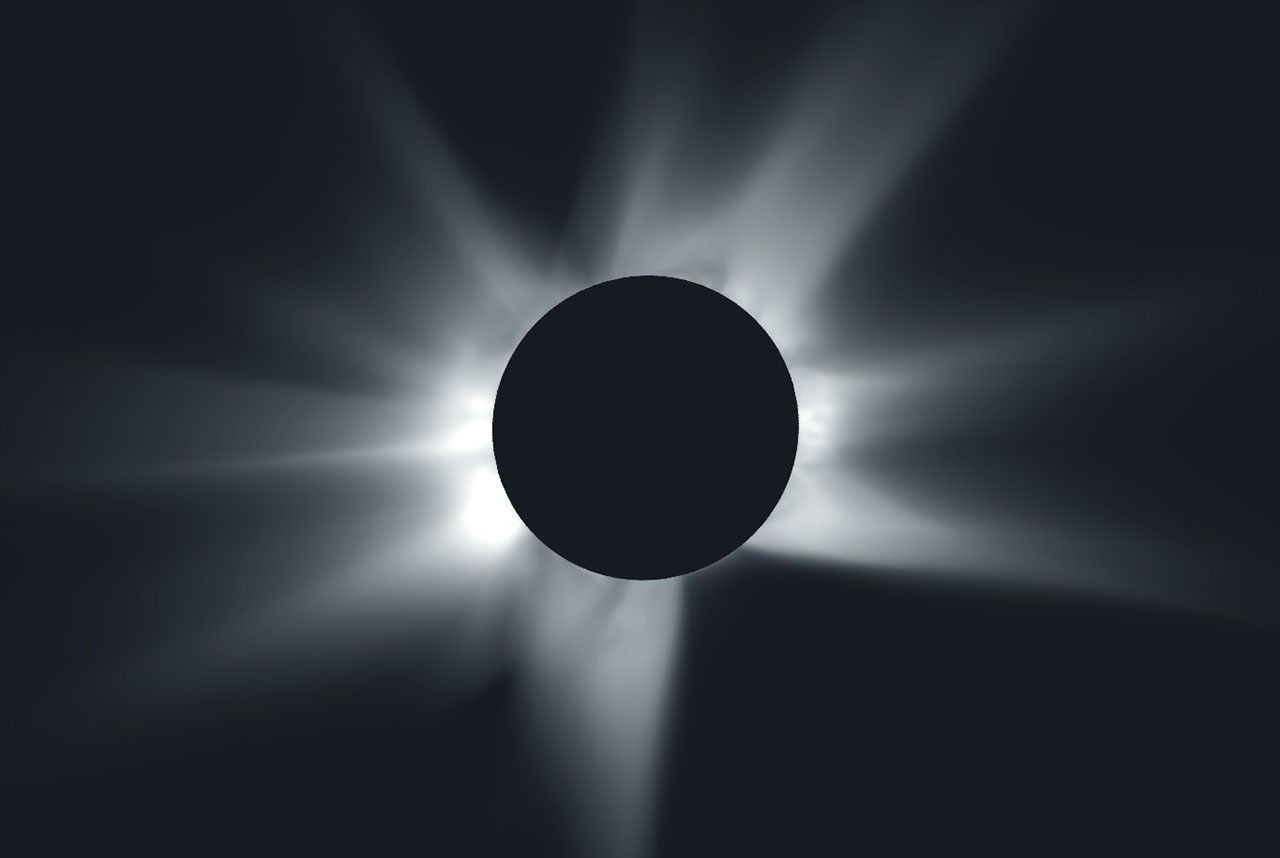
The Crown of the Sun: How a Fleeting Shadow United Ground, Air, and Space
On August 12, the cosmos staged its most theatrical parlor trick, carving a shadow of brief, bruised twilight across the high latitudes of Greenland, the volcanic basalt of Iceland, and the sun-baked plains of Spain. To stand in the path of totality is to experience a sudden, shuddering lapse in the planetary routine—a moment where the domestic scale of human life is momentarily crushed beneath the sheer, silent mechanics of the solar system. As the Moon slipped precisely between Earth and its star, it did not merely block the sun; it unveiled the corona, that elusive, ghostly halo of superheated plasma that routinely eludes our naked sight, rendering the afternoon sky a velvet-black iris framing a crown of white fire.
In our contemporary epoch, however, cosmic awe is rarely left unmeasured. NASA’s deployment of cameras and spectrographs across the ground, the upper atmosphere, and the cold vacuum of near-Earth orbit transformed this ancient celestial omen into a highly choreographed exercise in multi-spectral voyeurism. While Earthbound spectators in Reykjavik or northern Spain chased the mercurial whims of summer cloud cover, agency researchers and high-altitude aviators bypassed atmospheric interference entirely. From the stratosphere and the pristine silence of orbital satellites, NASA’s instruments captured the eclipse not as a fleeting spectacle, but as a rich, thermodynamic tapestry. These images—stark, crisp, and stripped of terrestrial distortion—reveal the corona’s wispy magnetic tendrils with the clarity of an anatomical sketch, offering solar physicists crucial data on the turbulent solar winds that dictate the weather of our entire solar system.
> "The eclipse did not merely block the sun; it unveiled the corona—rendering the afternoon sky a velvet-black iris framing a crown of white fire."
There remains something deeply poignant, almost desperate, in our collective impulse to document these brief alignments. The images returned by NASA are more than mere scientific currency; they are artifacts of a persistent human desire to freeze the ephemeral. As the moon's shadow raced across the Atlantic at supersonic speeds, the cameras captured both the terrifying grandeur of a blackened sun and the fragile, thin blue line of our atmosphere shielding us from the void. It is a stark reminder that we exist in a universe of clockwork precision, residing on a rock that is occasionally, beautifully plunged into the shadow of its own companion—watching the light go out and waiting, with bated breath, for its inevitable return.