The Cosmic Concierges: NASA’s Quiet Decentralization of the Launchpad
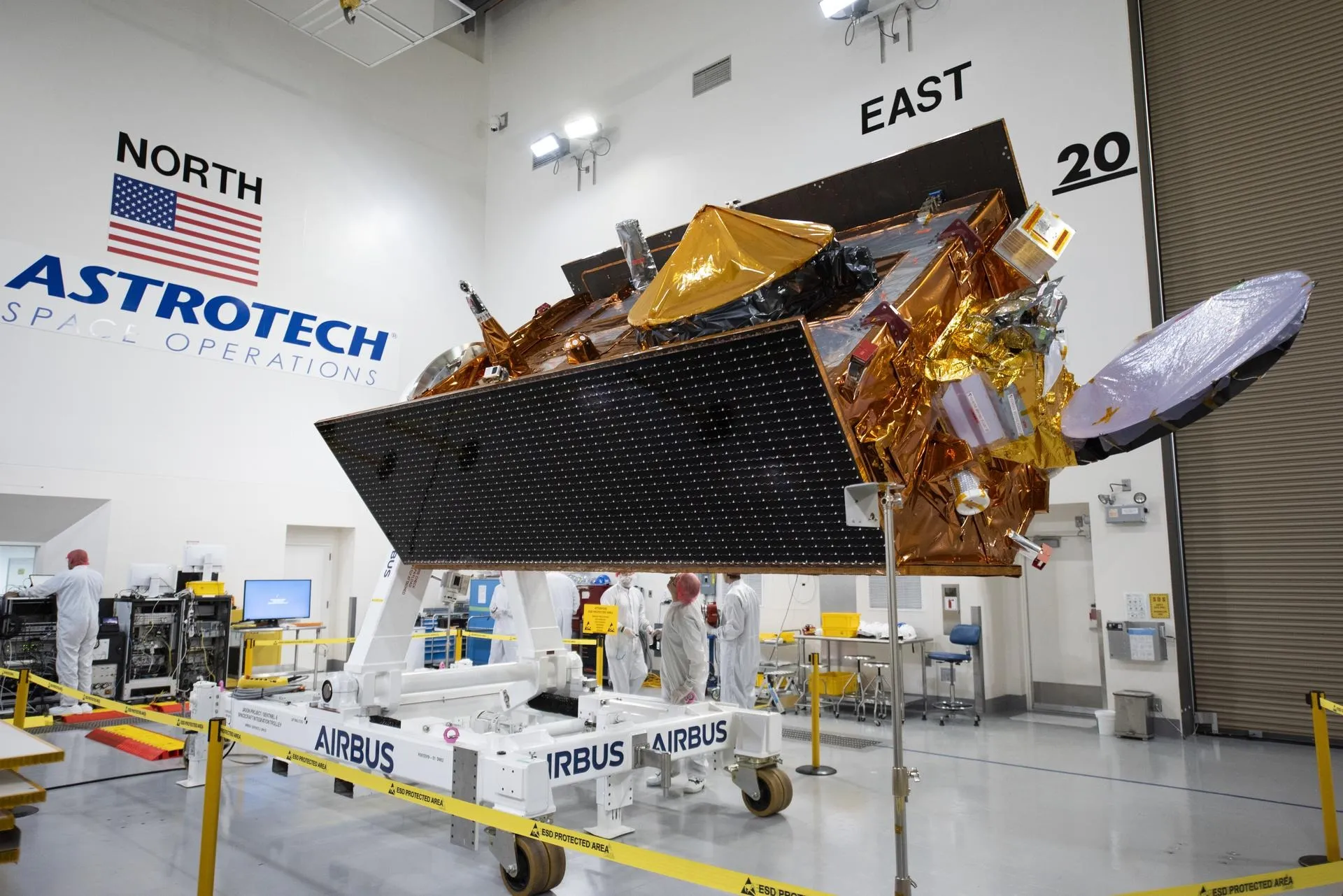
The modern space race is won not merely in the thunderous, high-altitude theater of liftoff, but in the sterile, hyper-controlled purgatory of the clean room. As NASA continues its deliberate retreat from the costly monopoly of vertical integration, it increasingly relies on a quiet constellation of private facilitators to choreograph the delicate prelude to launch. In a move that underscores this decentralized future, the agency has activated the "on-ramp" provision of its Spacecraft Processing Operations Contract (SPOC), selecting four commercial enterprises to manage the intricate logistics of payload processing. This is the vital, invisible scaffolding of twenty-first-century exploration: an administrative and technological framework designed to transform raw scientific ambition into orbit-ready machinery, far from the monolithic, mid-century state fiefdoms of the past.
The "on-ramp" mechanism itself is a triumph of bureaucratic pragmatism over static planning. Recognizing that the geography of spaceflight is shifting faster than federal procurement cycles can naturally accommodate, NASA designed this provision to dynamically onboard qualified private partners as new capabilities emerge. These newly contracted companies will offer specialized payload processing—the obsessive dusting, testing, calibrations, and hazardous fueling that occur in the final, tense weeks before a spacecraft is mated to its booster—at various strategic nodes across the country where such services were previously unavailable. It is a logistical safety valve, ensuring that as new commercial spaceports and diverse launch vectors emerge from coast to coast, the agency remains agile, unburdened by the tyranny of a single, centralized geographic coordinate.
```
"By distributing these critical preparatory operations, NASA is weaving a resilient, nationwide tapestry of commercial readiness."
```
This delegation of preparatory custody speaks to a broader cultural shift within aerospace. Where once the state insisted on holding every bolt and testing every transistor within its own sanctums, it now operates as an elite patron, outsourcing the exquisite housekeeping of the cosmos to a specialized merchant class. The selected firms represent the vanguard of this quiet industry—cosmic concierges tasked with ensuring that multi-million-dollar telescopes, climate satellites, and deep-space probes survive the violent transition from Earth's gravity to the vacuum of space. By distributing these critical operations, NASA is not merely optimizing its balance sheet; it is fostering a robust commercial ecosystem, ensuring that the road to the stars is never bottlenecked by a single point of failure on the ground.