Sovereigns of the Slipstream: How NASA Glenn Forged the Modern Sky
In the sterile quiet of the laboratory, aeronautical theory is an elegant equation—a series of pristine geometries simulated in silicon or sketched on clean dry-erase boards. But the sky is an unruly, chaotic medium, an indifferent expanse that cares little for the perfection of a blueprint. For decades, the engineers and test pilots at NASA’s Glenn Research Center in Cleveland, Ohio, have acted as the translators between these two worlds. Since its inception in the mid-twentieth century, Glenn has refused to let aerospace innovation remain earthbound. It is a crucible where the theoretical alchemy of propulsion and material science is dragged, sometimes violently, into the cold, unpredictable reality of the troposphere.
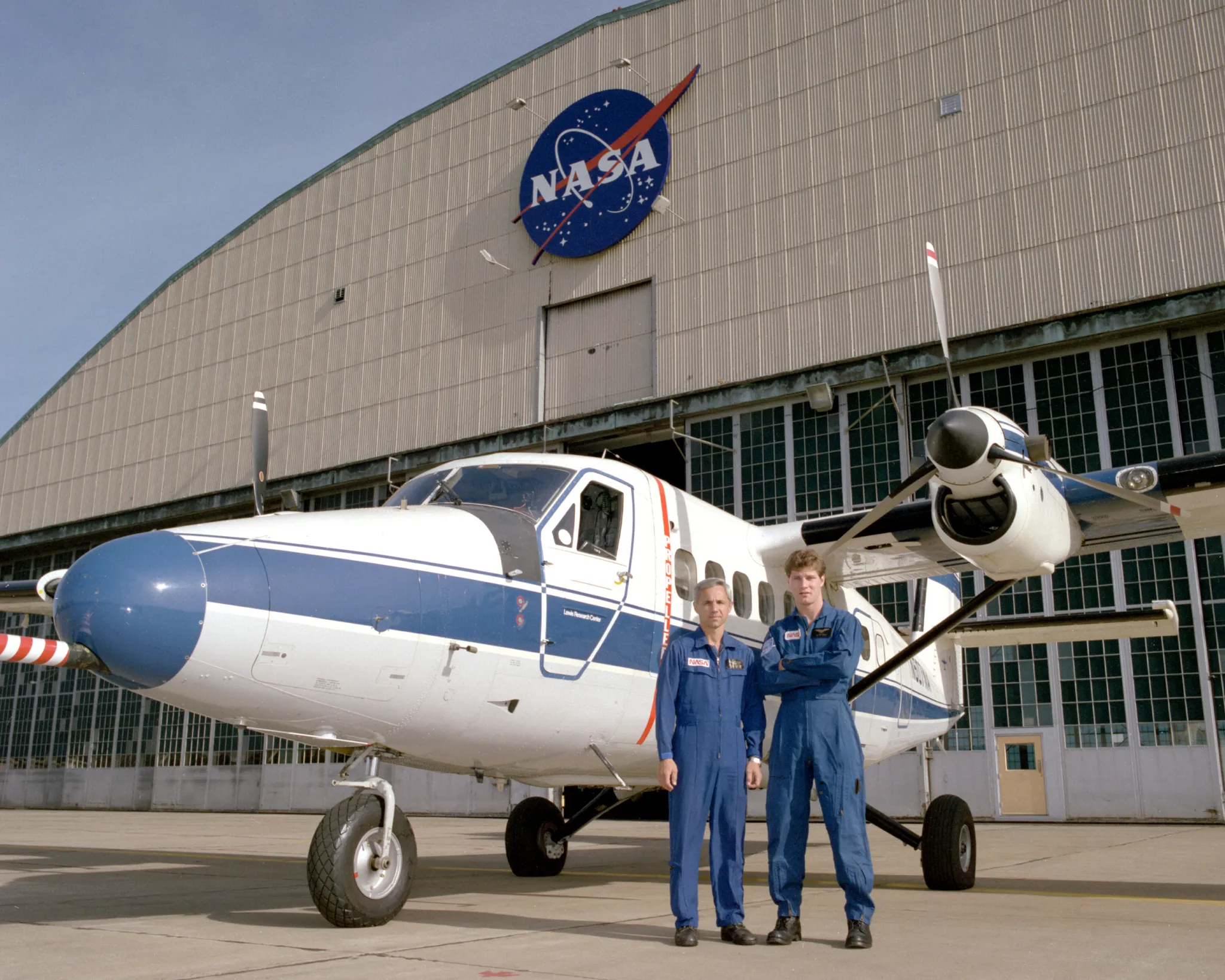
This was never passive observation; it was a deliberate, calculated siege of the atmosphere. Glenn’s research pilots did not seek out clear horizons and smooth tailwinds. Instead, they hunted the hostile, steering heavily instrumented aircraft directly into the gray, pregnant bellies of icing clouds—meteorological gauntlets where supercooled water droplets freeze instantly upon contact, transforming aerodynamic lifting surfaces into jagged, drag-heavy hazards. These missions, flown over the Great Lakes and along precisely calibrated atmospheric routes, were exercises in high-stakes empirical rigor. By placing human beings and state-of-the-art telemetry in the teeth of the storm, Glenn collected the raw, unvarnished data that wind tunnels could only approximate, establishing the definitive safety protocols that underwrite global aviation today.
There is a quiet, rust-belt stoicism to this legacy—a stark contrast to the sun-drenched, cinematic rocket launches of Florida or the desert-baked flight lines of the Mojave. Yet, the work forged in the overcast skies of Ohio is no less monumental. Every modern airliner descending through a winter soup, its wings safely shedding ice and its turbofans humming with undisturbed efficiency, carries the invisible DNA of Glenn’s flight research. It is a legacy written not in the sensational idiom of space races, but in the quieter, profound language of absolute reliability. By chasing the tempest, Glenn’s aviators achieved something remarkable: they tamed the wild sky by first having the courage to let it show its teeth.