The Silent Sentinel: NASA Completes the First Astronaut-Deployed Instrument for the Lunar South Pole
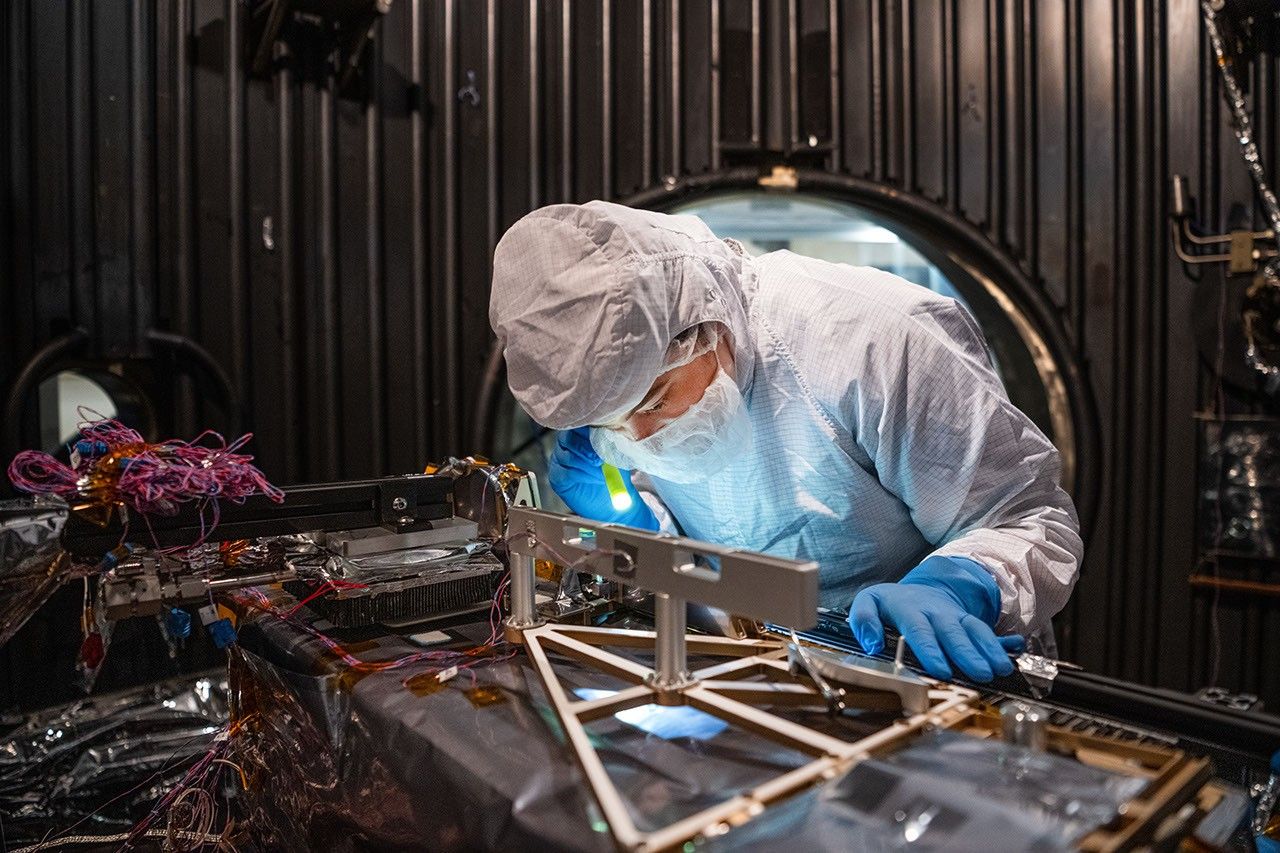
In the pristine, high-vacuum sanctums of NASA’s engineering laboratories, a profound quiet has settled. The space agency has officially declared “wrenches down” on the Lunar Environment Monitoring Station (LEMS), marking the completion of the first scientific payload designed specifically for human hands to plant into the ancient, powdery regolith of the Moon since the Apollo era. After years of rigorous vibration testing, thermal-vacuum simulations, and exacting calibration, LEMS is no longer a blueprint or a prototype; it is a hardened, self-sustaining suite of scientific ambition, waiting for its ticket to the lunar South Pole under the Artemis program. This milestone represents a quiet but seismic shift in modern space exploration—a transition from the era of orbital voyeurism and automated landers back to the tactile, gritty reality of human-tended field science.
LEMS is, at its heart, an exquisite electronic ear. Designed to operate autonomously in one of the solar system’s most hostile environments, this compact station is engineered to listen to the Moon’s deep, cold interior. It will measure the subtle, shivering whispers of moonquakes—seismic tremors caused by the relentless gravitational tug of Earth and the thermal contraction of a cooling lunar crust. Unlike the temporary seismometers of the mid-20th century, LEMS is built to endure the brutal lunar night, surviving temperatures that plunge to a devastating minus 208 degrees Fahrenheit. By capturing these delicate tremors over extended periods, the instrument will provide geophysicists with an unprecedented look at the Moon’s internal architecture, stripping away the celestial body's dead-world mystique to reveal a world that still sighs, contracts, and shifts in the dark.
The choice of destination—the lunar South Pole—infuses this mission with both scientific urgency and geopolitical romance. This is not the sun-drenched, relatively flat equatorial playground of the Apollo missions, but a jagged, shadow-drenched frontier of eternal twilight and frozen craters. To deploy LEMS, Artemis astronauts will have to step into an environment defined by stark contrasts, where long, ink-black shadows mask treacherous terrain and the sun hovers perpetually on the horizon. The physical act of deployment—an astronaut carrying the station, setting it down, and leveling it with gloved hands—reclaims the legacy of the field scientist. It is a reminder that despite our sophisticated algorithms and remote-sensing satellites, there remains no substitute for the deliberate, intelligent placement of an instrument by a human being standing on the surface of another world.