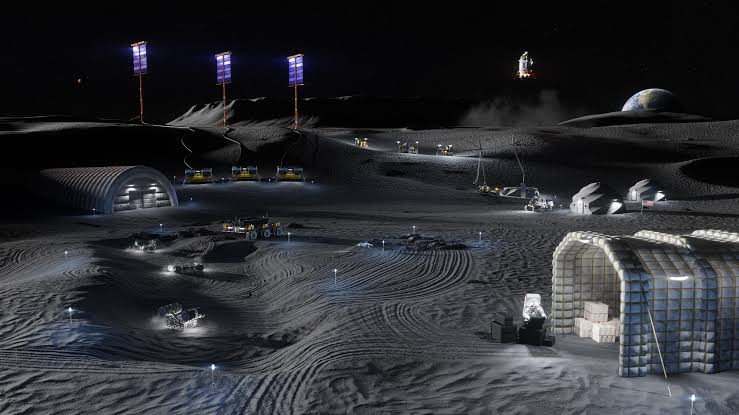
The Lunar Blueprint: NASA Calls on Collegiate Minds to Script the Next Space Age
Through the RASC-AL competition, the space agency is outsourcing its grandest celestial dilemmas to a generation of digital natives who view the cosmos not as a canvas for romantic conquests, but as an active infrastructure site.
***
The Moon, long the silent, silver muse of poets and Cold War propagandists, is undergoing a profound conceptual migration. It is no longer merely a destination for fleeting, flag-planting triumphs, but a brutal, dust-choked laboratory slated for permanent human utility. As NASA accelerates its Artemis-era ambitions, the agency is acutely aware that the bureaucratic machinery of traditional aerospace defense can occasionally suffer from a poverty of imagination. To bridge the gap between sterile logistics and visionary architecture, NASA has issued a call to arms for the nation’s brightest collegiate minds. Through the 2027 Revolutionary Aerospace Systems Concepts – Academic Linkage (RASC-AL) competition, the space agency is inviting undergraduate and graduate teams to propose the very operational paradigms that will dictate how humanity survives, works, and thrives in the unforgiving lunar regolith.
This is not merely an academic exercise in speculative fiction; it is a rigorous crucible of engineering and systems design. The RASC-AL forum challenges students to grapple with the merciless realities of deep space—extreme thermal fluctuations, abrasive electrostatic dust, and the daunting economics of payload weight—while demanding radical, clean-sheet solutions. By asking participants to design everything from autonomous mining infrastructure to long-term habitats and lunar mobility platforms, NASA is effectively crowdsourcing its most complex frontier problems. The 2027 iteration specifically pushes the boundaries of "operations paradigms," a technocratic euphemism for rewriting the rulebook on how humans and machines interact on a foreign world. It recognizes that the next giant leap will not be defined by a single heroic pilot, but by a seamless, automated web of logistics and sustainable resource utilization.
> "The next giant leap will not be defined by a single heroic pilot, but by a seamless, automated web of logistics."
There is a poignant cultural shift at play in this initiative. The students currently drafting these blueprints represent a generation that has never known a world without a permanently crewed International Space Station, yet they are being asked to architect a future they may only ever witness through telemetry screens. By bypassing the usual corridors of legacy aerospace conglomerates and turning to university laboratories, NASA is tapping into a demographic of digital natives unburdened by Cold War-era engineering dogmas. These young researchers do not view spaceflight as a miraculous anomaly, but as a standard, albeit challenging, infrastructure project. In doing so, the RASC-AL competition does more than just harvest intellectual property for the state; it fosters a vanguard of thinkers who view the lunar surface not as a desolate wasteland, but as humanity’s next busy, blue-collar backyard.