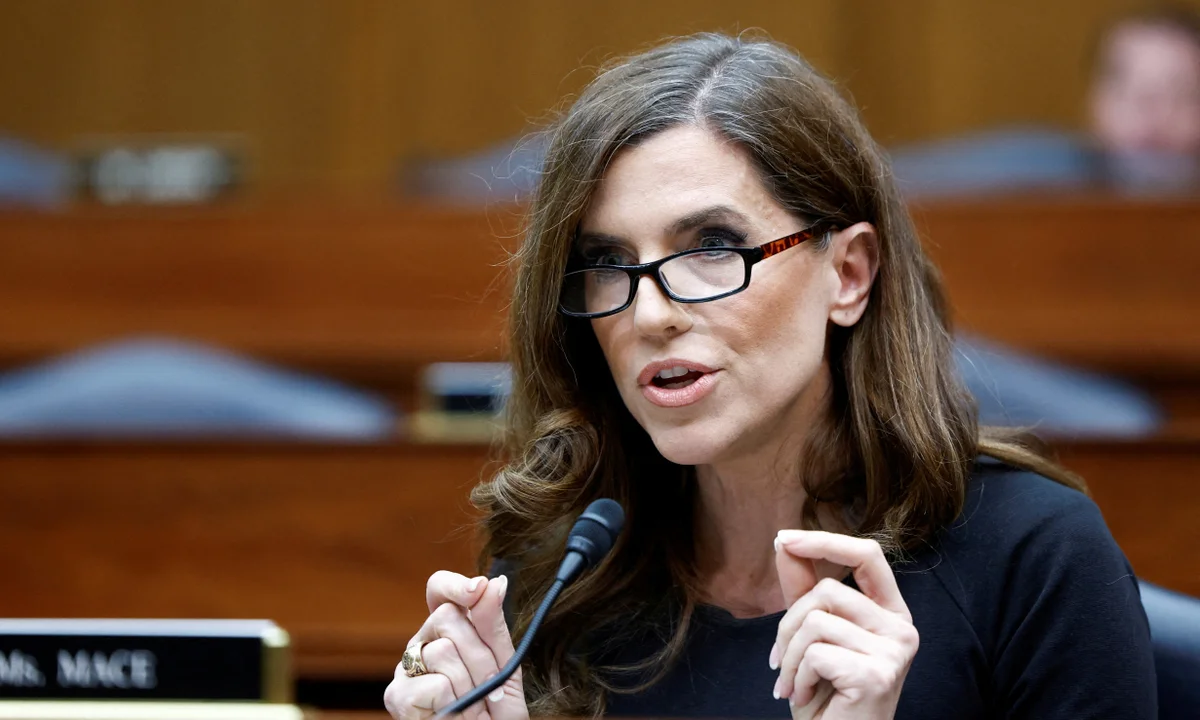
The Crucible of Accountability: Nancy Mace and the Myth of the Modern Witch Hunt
In the gilded theater of contemporary American politics, history is rarely studied for its nuance; more often, it is weaponized for its melodrama. The ongoing congressional interrogation of Dr. Anthony Fauci has predictably resurrected the grim specter of Senator Joseph McCarthy, with defenders of the retired immunologist casting the Republican-led inquiries as a digitized revival of the 1950s Red Scare. Yet, to Representative Nancy Mace, the media-savvy South Carolinian who has long navigated the fractious currents of the GOP with a sharp-edged pragmatism, such historical parallels are not merely lazy—they are a profound category error.
```
"To compare a rigorous congressional inquiry of a powerful federal official to the lawless paranoia of McCarthyism is to misunderstand both history and the nature of public accountability."
```
Dismantling the Martyrdom of the Administrative State
Appearing on the cultural frontline of daytime broadcast media to dissect the political circus, Mace sought to dismantle the secular martyrdom that has crystallized around Fauci since the onset of the pandemic. Where critics see a decorated public servant being dragged through a partisan gauntlet for the crime of offering scientific consensus, Mace beholds an imperial bureaucrat finally being forced to reconcile his public pronouncements with the private realities of federal decision-making. The comparison to the blacklists of the mid-century, she argues, falters on the scales of power. McCarthy targeted private citizens and vulnerable dissidents; the scrutiny of Fauci, by contrast, targets the chief architect of unprecedented public restrictions, school closures, and federal mandates. In Mace’s telling, demanding answers on the origins of COVID-19 and the federal funding of gain-of-function research is not a betrayal of democratic norms, but their absolute realization.
The Performance of Power and the Demand for Answers
This clash of narratives reveals a deeper, more systemic malaise in Washington, where policy debates are instantly translated into cinematic struggles of good versus evil. For the progressive establishment, Fauci remains the cool-headed avatar of objective Truth, rendering any challenge to his legacy an assault on rationality itself. For Mace and her colleagues on the Select Subcommittee on the Coronavirus Pandemic, he represents the hubris of an insulated administrative state that operated for too long without a constitutional leash. By flatly rejecting the McCarthyite label, Mace is doing more than defending her party’s prosecutorial tactics; she is asserting that in a self-governing republic, no official—no matter how sanctified by the media—is immune to the indignity of a cross-examination.
Ultimately, the hearings serve as a mirror for a deeply fractured nation, where one half sees a vital crucible of accountability and the other a circus of political cruelty. As the soundbites fade into the digital ether, the historical verdict on the pandemic era remains unwritten. But in refusing to cede the moral high ground of history, Nancy Mace has signaled that the battle over the legacy of the COVID-19 response will not be won by those seeking refuge in the grievances of the past. It will be decided in the relentless, uncomfortable present of the committee room.