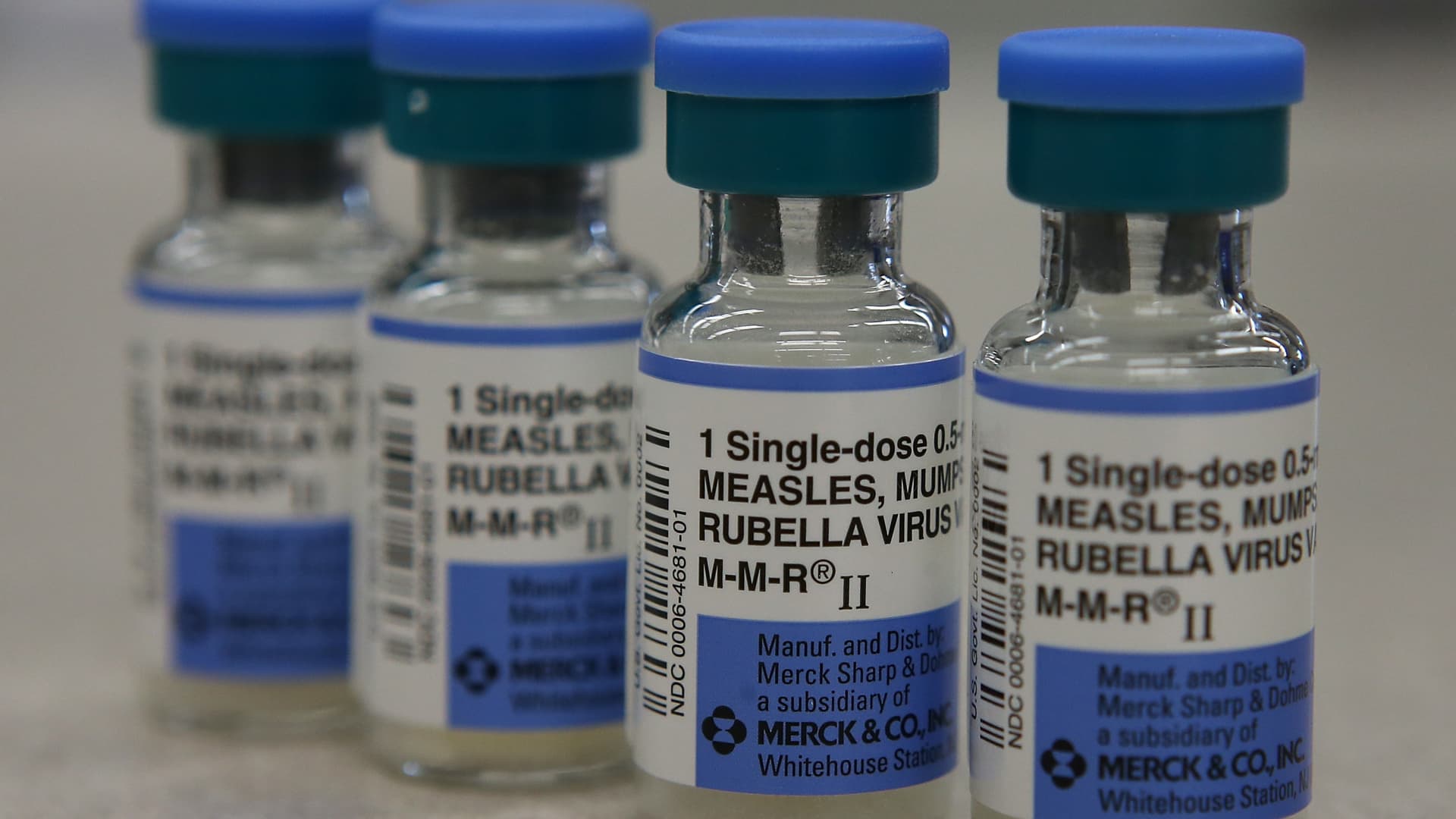
To scan the battlefields of modern public health is to assume a nation cleanly split between the zealots of the needle and the prophets of the paranoid. For years, the public has been sold a comforting binary: on one side, the science-abiding citizenry; on the other, the contrarians orchestrating a digital resistance. But this tidy caricature obscures a far more pervasive, and far more economically destabilizing, reality. The true crisis of contemporary American wellness is not a loud rebellion, but a slow, quiet drifting. It is the vast, muddled middle—an exhausted constituency of the undecided who are neither crusaders against immunology nor disciples of it, but are simply paralyzed by the sheer volume of competing noise.
The High Price of Hesitation
This quiet inertia carries profound consequences, not least of which are measured in the cold calculus of the balance sheet. In a healthcare system built on the fragile assumption of predictable public behavior, widespread hesitation acts as a hidden tax on the entire macroeconomic structure. Billions of dollars in preventive infrastructure sit underutilized, even as the economic toll of preventable illnesses threatens to strain both private insurance pools and public budgets. Pharmaceutical innovators, once assured of high-volume seasonal rollouts, now navigate a volatile consumer landscape defined by caprice rather than clinical consensus. Doubt, it turns out, is not merely an intellectual posture; it is an expensive administrative liability.
The Disintegration of Trust
The roots of this hesitation are rarely found in radicalism. Instead, they lie in the steady erosion of institutional authority and the hyper-democratization of information. When every citizen is encouraged to "do their own research"—a phrase that has morphed from a sensible civic virtue into a euphemism for algorithmic doom-scrolling—the line between medical expertise and polished skepticism dissolves. The average American is not rejecting medicine out of malice; they are struggling to identify it amidst a sea of monetized anxiety. In this landscape, hesitation becomes a defensive reflex, a protective shell grown in response to a society that has long commodified their attention and fractured their trust.
Ultimately, reclaiming this middle ground requires retiring the condescending language of combat. Public health campaigns cannot berate the uncertain into compliance, nor can corporate incentives alone bridge a chasm of faith. To win back the undecided, the public and private sectors must cooperate to rebuild a legible, compassionate architecture of truth. Until then, the greatest threat to the nation’s collective health remains not the loud, fringe minority who refuse to believe, but the quiet, reasonable majority who simply no longer know what to believe.