Global Public Opinion Shifts: Pew Study Finds Growing Favorability for China Over United States
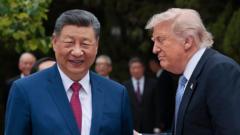
A comprehensive global survey by the Washington-based Pew Research Center reveals a significant shift in geopolitical soft power, suggesting that more people around the world now view China more favorably than the United States. The study, which spans dozens of nations, highlights a stark decline in the international image of the U.S., accompanied by a growing confidence in Chinese President Xi Jinping over his American counterpart, Donald Trump. This realignment reflects deepening global anxieties over Washington's unilateralist foreign policy turn.
According to the data, the erosion of America's global standing is particularly pronounced among its traditional allies in Europe and the Asia-Pacific region. Respondents expressed sharp disapproval of President Trump's "America First" agenda, including his withdrawal from multinational climate pacts and international trade agreements. In contrast, while President Xi’s domestic policies and regional assertiveness remain highly controversial, his public positioning as a defender of globalization and multilateralism has resonated positively in several regions.
Despite China’s gains in favorability, the survey underscores that Beijing's rising influence is met with mixed reactions globally. While public opinion in parts of Latin America, Africa, and the Middle East has warmed toward China—driven largely by substantial infrastructure investments through the Belt and Road Initiative—skepticism remains high in neighboring Asian nations and parts of North America. Concerns over territorial disputes in the South China Sea, human rights issues, and trade practices continue to cap China’s global appeal. Nevertheless, the fact that a Chinese leader enjoys higher confidence ratings than an American president in several key democracies marks a historic pivot in global diplomacy.
Ultimately, the Pew study highlights the steep challenges facing U.S. diplomats as they attempt to reassure international partners of Washington's long-term commitments. Analysts suggest that public diplomacy will play a critical role in the coming years as both superpowers vie for systemic influence. As the narrative of a renewed superpower competition gains traction, the battle for global hearts and minds is becoming just as consequential as economic and military posturing, with public perception serving as a vital barometer of soft power dominance.