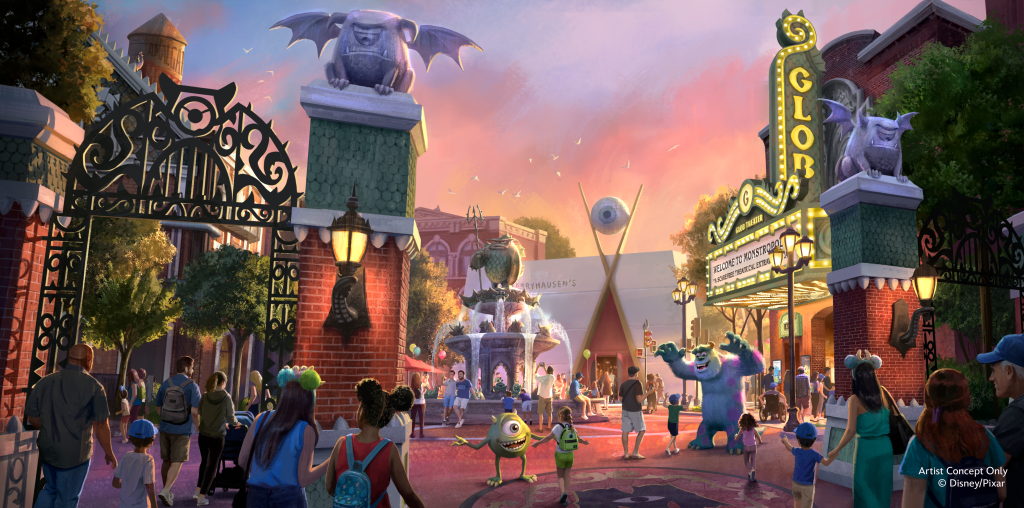
The Architecture of Animating Reality: Disney’s Monstropolis and the New Age of Immersive Escapism
The modern theme park is no longer a monument to passive spectatorship; it is an exercise in spatial alchemy. For decades, Disney’s Hollywood Studios functioned as a nostalgic, meta-cinematic tribute to the golden age of Tinseltown—a place of plaster facades and backlot tours that celebrated the making of movies. Today, however, the cultural appetite demands nothing less than absolute transubstantiation. The announcement at the D23 expo that a fully realized "Monstropolis"—the blue-collar, scream-powered city from Pixar’s 2001 masterpiece Monsters, Inc.—will officially open its gates in 2027 represents the apotheosis of this design philosophy. When the first guests step onto its simulated asphalt, they will not be visiting a set; they will be stepping through the screen.
At the center of this ambitious undertaking is a sophisticated translation of digital whimsy into heavy iron and concrete. Monstropolis is conceived not merely as a cluster of themed souvenir shops, but as a living, breathing municipal district. It represents a masterclass in what can be called emotional urban planning, merging the retro-futuristic, industrial-deco aesthetic of the original film with cutting-edge kinetic architecture. Michael Hundgen, Vice President Creative for the Walt Disney World Portfolio at Walt Disney Imagineering, captured the team’s palpable ambition, stating, “We’re so excited to bring Monstropolis to life for fans.” Currently under construction, the land is rumored to feature the park’s first-ever suspended coaster—a high-speed trip through the film’s iconic, labyrinthine door vault—turning what was once a technical showcase of early-2000s computer rendering into a visceral, G-force-inducing reality.
```
"We’re so excited to bring Monstropolis to life for fans."
— Michael Hundgen, Walt Disney Imagineering
```
This development underscores a broader, fascinating shift in the landscape of collective nostalgia. Monsters, Inc., which debuted at the dawn of the digital animation revolution, has transitioned from a milestone of technological prowess into a foundational mythos for a generation of park-goers who are now parents themselves. By anchoring the future of Hollywood Studios in the streets of this monster-inhabited corporate municipality, Disney is capitalizing on a potent brand of sentimental infrastructure. In the hands of Imagineers, the film's satirical critique of energy crises and corporate bureaucracy is re-engineered into a sanctuary of tactile joy. When Monstropolis opens in 2027, it will prove once again that the most durable structures in the modern attention economy are those built from the architecture of our childhood dreams.