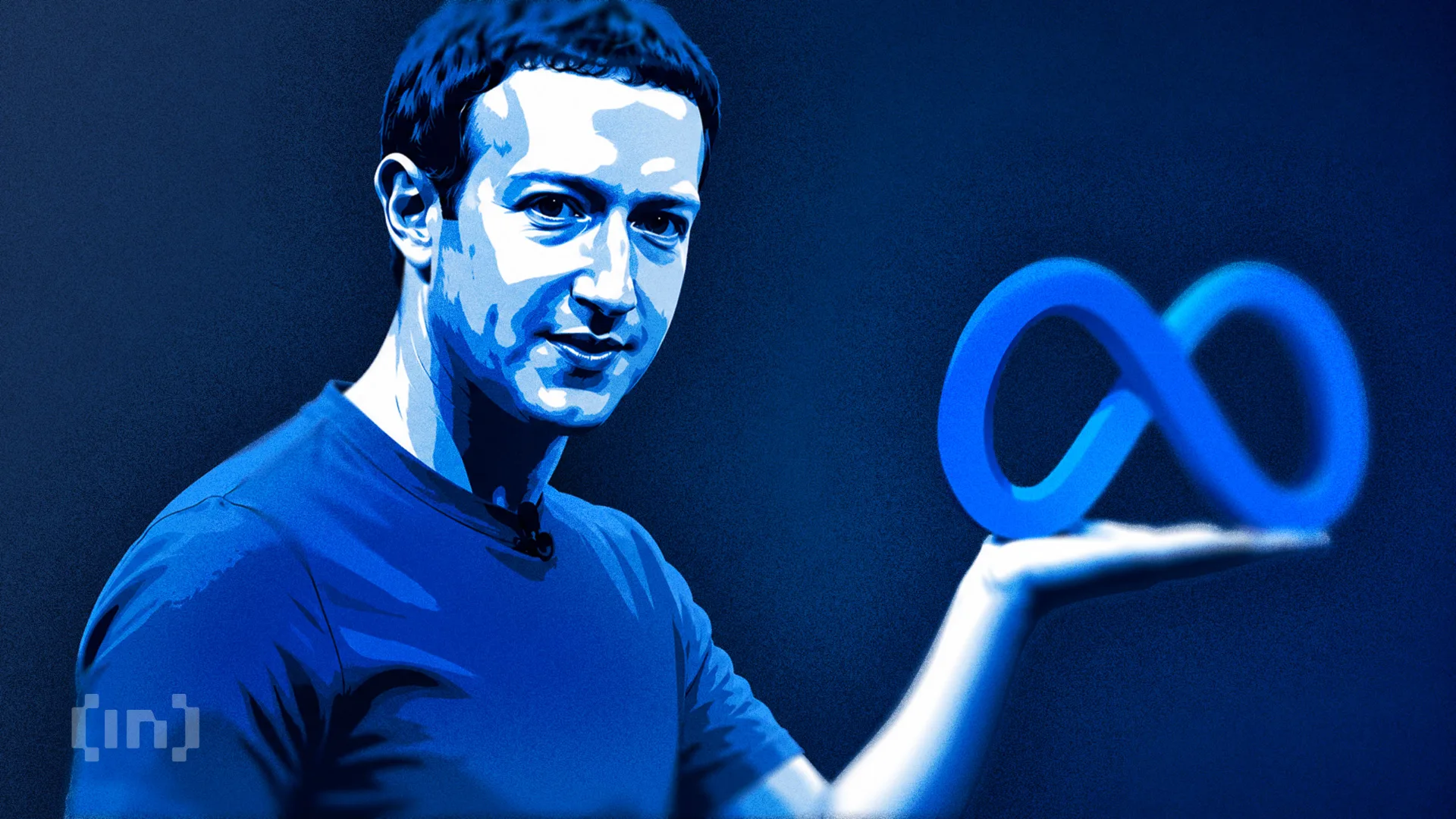
The Ten-Billion-Dollar Handshake
Inside Meta’s staggering projection for Anthropic, where the boundaries of corporate rivalry dissolve into the stratosphere of artificial intelligence.
In the gilded court of Silicon Valley, where capital is deployed as both weapon and shield, numbers have ceased to represent mere currency; they have become monuments of pure ambition. The latest monolith to capture the industry's collective imagination is Meta’s staggering projection that it could funnel up to $10 billion annually into Anthropic, the celebrated, safety-focused darling of the artificial intelligence pantheon. It is a sum that defies traditional balance-sheet logic, representing not just a procurement budget, but a profound shift in the geopolitical landscape of technology. For Mark Zuckerberg’s empire—a behemoth long accustomed to swallowing rivals whole or suffocating them beneath the sheer weight of network effects—the contemplation of such a massive recurring tribute is a watershed concession. It is an admission that in the frantic, resource-parched scramble for cognitive supremacy, even the sovereign states of social media must occasionally pay rent to the architects of the new mind.
This eye-watering projection exposes the dizzying, almost incestuous geometry of the modern tech landscape, where the boundaries between ally and adversary have dissolved into a mist of strategic convenience. Anthropic, founded by defectors from OpenAI and heavily bankrolled by the likes of Google and Amazon, stands in many ways as the ideological antithesis to Meta’s loudly self-proclaimed ethos of open-source AI. Yet, behind the mirrored glass of corporate boardrooms, the pragmatic calculus of survival easily overrides philosophical purity. To contemplate a $10 billion annual dependency is to acknowledge a humbling new reality: no single tech giant, regardless of its cash reserves, can monoculture the future. It is a delicate, razor-thin tango of "coopetition," wherein platforms construct their own proprietary coliseums while quietly leasing the finest gladiators from their direct competitors to keep the spectacle alive.
Ultimately, this transaction-in-potentia reflects a deeper, more existential transformation in how our digital lives are brokered. The social networks that once promised to connect humanity are rapidly retooling themselves as vast, energy-hungry engines designed to sustain synthetic intellects. When a corporation contemplates spending the GDP of a small nation on external algorithmic brains, it signals that the next era of human culture will not be curated by tools we command, but by cognitive engines we must continuously license. In this brave new paradigm, the ultimate luxury is no longer the technology itself, but the illusion of autonomy—a gilded reality where our daily digital interactions are quietly mediated by ten-billion-dollar handshakes, executed in rooms far removed from the users who power the machine.