The Liturgy of the Digital Martyr: How a CEO’s Death Became Populist Theater
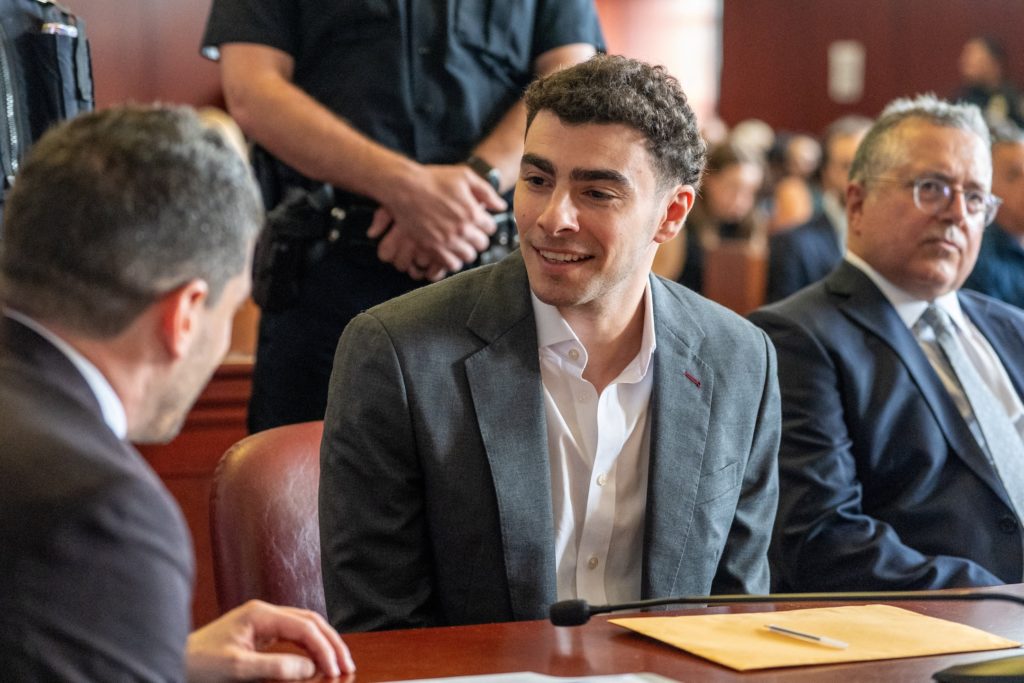
When Luigi Mangione entered his guilty plea, the act should have served as the solemn denouement to a grim winter drama. Instead, the legal resolution of Brian Thompson’s killing has only solidified the dark, digital mythos surrounding the case. Thompson, the slain chief executive of UnitedHealthcare, was swiftly transfigured by a disaffected online populace into an involuntary avatar of corporate malfeasance, while Mangione was cast as an avenging angel of a generation exhausted by the administrative cruelties of modern medicine. This bizarre canonization has found its most fervent acolytes not in the quiet corners of anonymous message boards, but in a new class of partisan courtroom chroniclers—digital-native observers who elegantly blur the boundary between objective reportage and devoted hagiography.
Foremost among this self-styled press corps is Lena Weissbrot, one of a trio of Mangione supporters who have exhaustively documented his legal proceedings for an audience hungry for spectacle. In the wake of Mangione’s formal admission of guilt, Weissbrot’s digital dispatches took a decidedly provocative turn, pivoting from courtroom curation to the active amplification of rhetoric justifying the homicide. By reposting social media commentary that framed Thompson’s death not as a tragedy, but as a form of cosmic, systemic retribution, Weissbrot highlighted an unsettling cultural shift. To this digital subculture, the execution on a Manhattan sidewalk was parsed as a radical act of consumer advocacy written in blood—a morbid catharsis for millions who have felt the cold, automated sting of healthcare denials.
```
"To this digital subculture, the execution was parsed as a radical act of consumer advocacy written in blood."
```
This phenomenon speaks to a deeper, more corrosive malaise in the contemporary zeitgeist. When a cold-blooded homicide is recontextualized as populist theater, the traditional boundaries of public morality begin to dissolve. Weissbrot and her cohorts represent the vanguard of a disturbing media hybrid: the advocate-reporter, whose allegiance is pledged not to the forensic truth of the crime, but to the emotional resonance of its narrative. In their eyes, Mangione’s plea is not an admission of a senseless crime, but the quiet acceptance of martyrdom. By curating and normalizing the voices that validate his violence, these modern observers are doing more than reporting on an aftermath; they are tending to the flame of a dangerous new folklore, where the humanity of the victim is entirely erased in service of the myth.