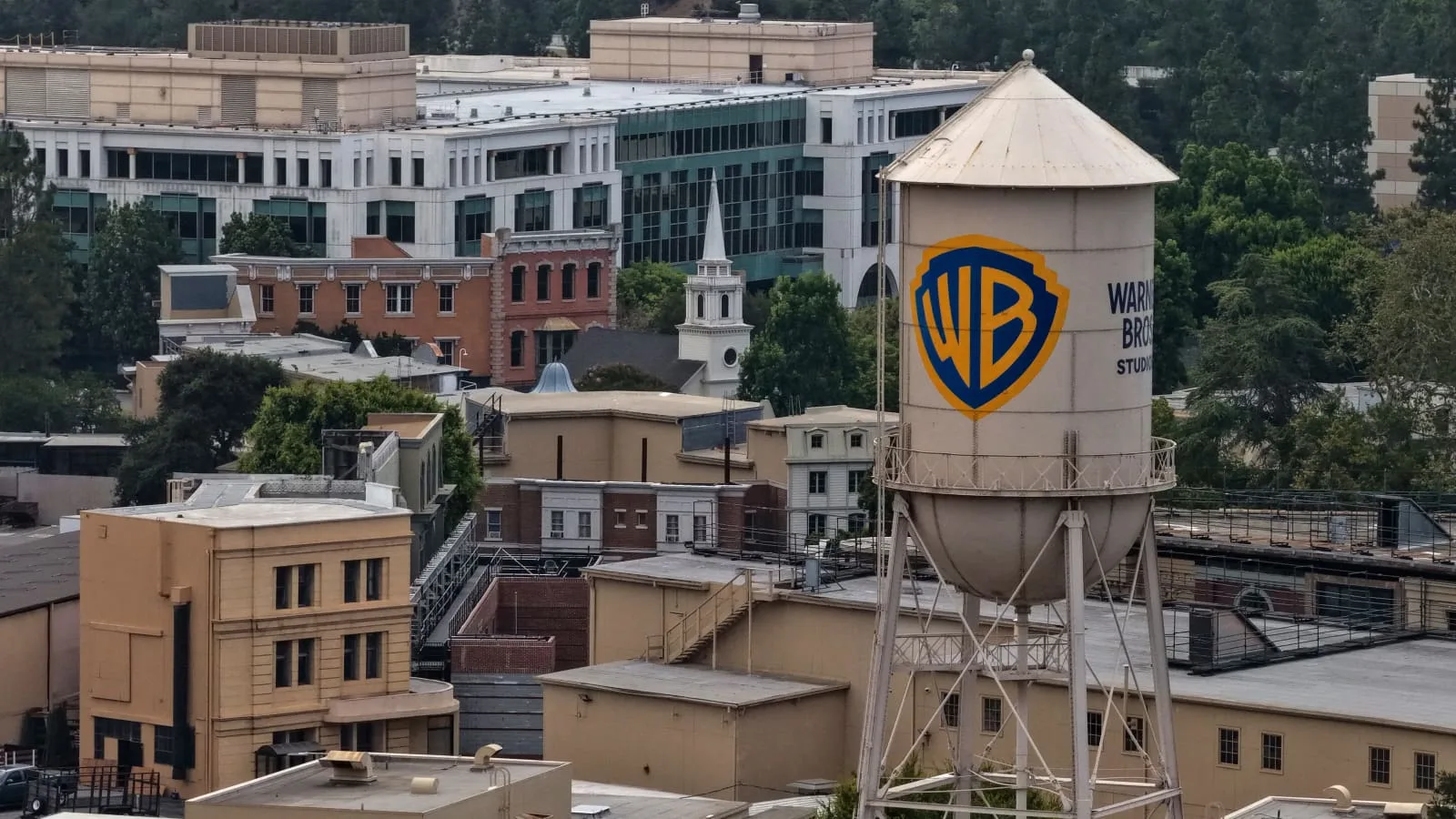
Lost in Limbo: The Paramount Freeze and Warner Bros. Discovery’s Strategic Purgatory
As antitrust friction stalls the industry’s latest mega-merger, David Zaslav’s empire finds itself stranded on a frozen chessboard.
In the gilded theater of contemporary media consolidation, silence is rarely golden; more often, it is the tense, suffocating quiet of an industry holding its collective breath. The sudden, grinding halt of the Paramount-Skydance merger—stymied by the unforgiving gears of antitrust litigation—has sent a shiver far beyond the gates of Paramount’s historic Melrose lot. Perhaps nowhere is this chill felt more acutely than at Warner Bros. Discovery (WBD). For WBD, a behemoth forged in the crucible of heavy debt and dramatic restructuring under Chief Executive David Zaslav, the paralysis of its chief rival is not an occasion for quiet triumph, but a deeply inconvenient purgatory. In an ecosystem where sheer scale is treated as the sole antidote to the slow, agonizing decline of linear television, this regulatory roadblock has effectively frozen the corporate chessboard, leaving WBD trapped in a strategic holding pattern at the precise moment it desperately needs a definitive next move.
The predicament of Warner Bros. Discovery is one of structural suspension. Zaslav’s tenure has been characterized by an ascetic, often brutal pruning of assets—a narrative of tax write-offs, shelved projects, and aggressive cost-cutting designed to pacify a Wall Street suddenly obsessed with immediate cash flow over raw streaming subscriber counts. Yet, a lean balance sheet is merely a defensive posture; it does not dictate a future. WBD had long eyed the shifting pieces of the Paramount board as both a warning and an opportunity: either as a potential acquisition target to achieve defensive mass, or as a crucial bellwether for how regulatory bodies would treat the next inevitable wave of media consolidation. With the Paramount-Skydance union locked in legal amber, WBD’s grander ambitions are similarly paralyzed. The company remains too large to be nimble, yet lacks the unassailable, sovereign-wealth-like scale of Big Tech predators like Apple or Amazon, who continue to treat prestige storytelling as a mere loss-leader for ecosystem retention.
> "In the new Hollywood, the grand mergers of yesterday are no longer guaranteed salvations; they are regulatory minefields where corporate empires go to wither."
What lies ahead is a landscape of diminished options and mounting existential pressure. As the antitrust standoff drags on, the avenues for WBD narrow to a choice between further internal retrenchment or a pivot toward radical, perhaps humbling, alternative strategies. The regulatory climate, characterized by an increasingly hawkish posture toward corporate tie-ups, has made traditional mergers look less like strategic masterstrokes and more like corporate suicide missions. Consequently, WBD may be forced to abandon dreams of a transformative merger and instead focus on the unglamorous work of survival: aggressively licensing its crown-jewel intellectual property to the very rivals it once sought to vanquish, and managing a slow decline of its legacy cable business. The delay of the Paramount merger has exposed a sobering reality for the legacy studio system: the escape hatch of consolidation has been welded shut, leaving the titans of the old guard to survive on whatever momentum they have left.