The Anatomy of a Tragedy: Closing Arguments Begin in the Lindsay Clancy Trial
In a Massachusetts courtroom, the devastating line between postpartum psychosis and criminal culpability faces its final, agonizing arbitration.
After more than twenty days of harrowing testimony—of medical charts dissected like ancient maps and nursery rhymes recontextualized as the prelude to horror—the trial of Lindsay Clancy has reached its quietest, most devastating threshold. In a Plymouth County courtroom, the prosecution and defense are delivering their final pitches, offering two deeply polarized narratives designed to make sense of the unimaginable. Clancy, the Massachusetts mother accused of taking the lives of her three young children before attempting her own, sits at the center of a tragedy that has transcended the local police blotter to become a grim, national mirror. What the public has witnessed over the past month is not merely a legal proceeding, but an agonizing autopsy of the human mind under the weight of postpartum despair, broadcast live to an audience seeking some semblance of order in the ruins of a suburban dream.
The defense has consistently painted Clancy as a victim of a fractured psychiatric system, a woman swallowed whole by postpartum psychosis—a state of profound hallucination and disassociation where the self is erased and reality bent beyond recognition. Their arguments have relied heavily on a dizzying cocktail of prescribed medications and the testimony of medical experts who describe a brain hijacked by chemical imbalance, rendering her incapable of understanding the criminality of her actions. Conversely, the commonwealth has presented a starkly different, far colder portrait: one of chilling calculation, deliberate timing, and a brief, terrible window of opportunity seized. In this version, the acts were not those of a helpless spectator to her own madness, but of a mother who made a series of conscious, sequenced choices. This clash highlights a deeper, more unsettling cultural anxiety about the fragility of maternal instinct and the limits of societal empathy when confronted with the ultimate taboo.
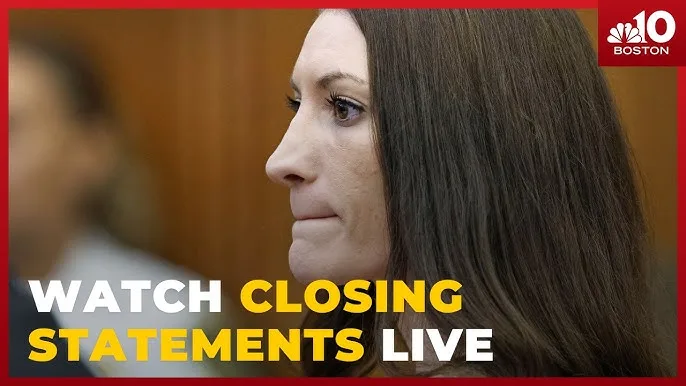
As the closing arguments unfold on screens across the country, the trial enters its final, televised act. The digital glare of the livestream transforms this deeply private domestic catastrophe into a public forum, where viewers dissect every micro-expression and legal maneuver in real-time. Yet, behind the performative theater of the courtroom lies a sobering reality. The jury now inherits the impossible task of navigating this moral and psychological labyrinth, weighing the cold letters of the law against the unfathomable depths of mental illness. They must decide whether Lindsay Clancy is a criminal who engineered a heartbreaking slaughter or a casualty of a terrifying psychological collapse. In the end, whatever verdict is delivered will offer no solace, serving only as a grim postscript to a tragedy that has already claimed its most innocent victims.