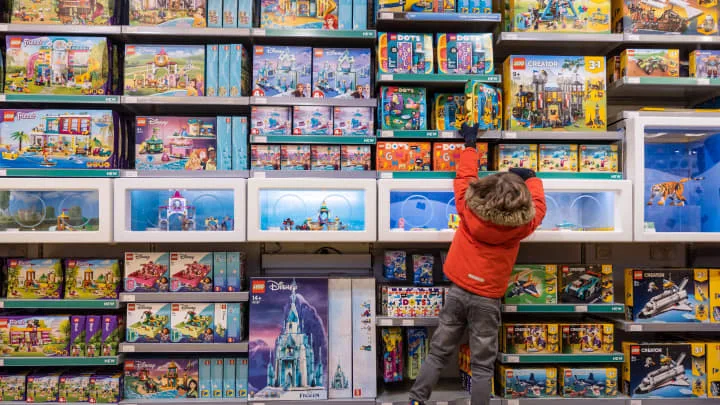
The Plastic Empire: How Lego Built a Bulletproof Sanctuary in a Fractured Economy
In an era defined by digital exhaustion and precarious consumer confidence, the humble ABS plastic brick remains an astonishingly resilient cultural currency. The Danish toy titan has once again defied the broader gravity of a sluggish global retail landscape, posting record-breaking first-half revenues that solidify its position not merely as a manufacturer of playthings, but as an empire of imagination. From Billund to Beijing, the company’s interlocking system has transcended the toy chest to become an asset class, an interior design statement, and a psychological anchor for an anxious world. This is not just a triumph of manufacturing, but a masterclass in demographic expansion, proving that even in a down market, the human impulse to build remains unbreakable.
At the heart of this financial windfall lies a stark and fascinating economic paradox, articulated with quiet confidence by Chief Executive Niels Christiansen. Christiansen observed that Lego is currently experiencing robust sales at both polar ends of the pricing spectrum—a "barbell" consumer behavior that perfectly mirrors our deeply stratified cultural moment. On one end are the entry-level, pocket-money items designed to offer parents a high-value, screen-free reprieve without breaking the bank. On the other lie the sprawling, multi-hundred-dollar architectural monoliths designed for the affluent adult collector—the "AFOL" (Adult Fan of Lego) demographic that treats these complex plastic kits with the same aesthetic reverence once reserved for mid-century modern furniture. By elegantly bridging the gap between modest indulgence and high-end luxury, Lego has effectively insulated itself against the middle-class squeeze that has decimated traditional retailers.
The Barbell Economy of Play
> "We are seeing that our portfolio appeals across the board, from those looking for a small, accessible treat to those investing in our most complex, premium building experiences."
> — Niels Christiansen, CEO
This dual-hemisphere strategy reveals a profound understanding of modern consumer psychology. Where rival toy makers have faltered by chasing fleeting digital trends or succumbing to the race-to-the-bottom of cheap licensing, Lego has treated its core medium with almost liturgical reverence. Under Christiansen’s stewardship, the company has transformed into a sophisticated intellectual property refinery, seamlessly blending collaborations with high-end automotive brands, pop-culture icons, and botanical design trends. By refusing to compromise on the physical tactile feedback of the brick while continually elevating its artistic maturity, Lego has achieved the ultimate corporate alchemy: transforming childhood nostalgia into an essential, recession-proof luxury lifestyle brand.