The Fury of the Pacific: Hurricane Lala and the Fragile Paradise of Hawaiʻi
A category 1 tempest serves as a stark, rain-lashed reminder of nature’s indifference and the delicate choreography of island survival.
There is an unsettling, cinematic tension that precedes a tropical tempest in the mid-Pacific. The air grows thick, heavy with the scent of bruised hibiscus and salt, as the horizon bruises into shades of deep slate and violet. When Hurricane Lala swept past the Island of Hawaiʻi, it brought with it not merely the mechanical disruption of a Category 1 storm, but a profound sensory overload. For hours, the archipelago was held hostage by a relentless barrage of torrential downpours and howling, gale-force winds that clawed at the emerald canopies. On the ground, the island’s legendary tranquility was temporarily replaced by the chaotic symphony of snapping branches, rushing mudwaters, and the low, vibrational hum of a Pacific ocean turned thoroughly hostile.
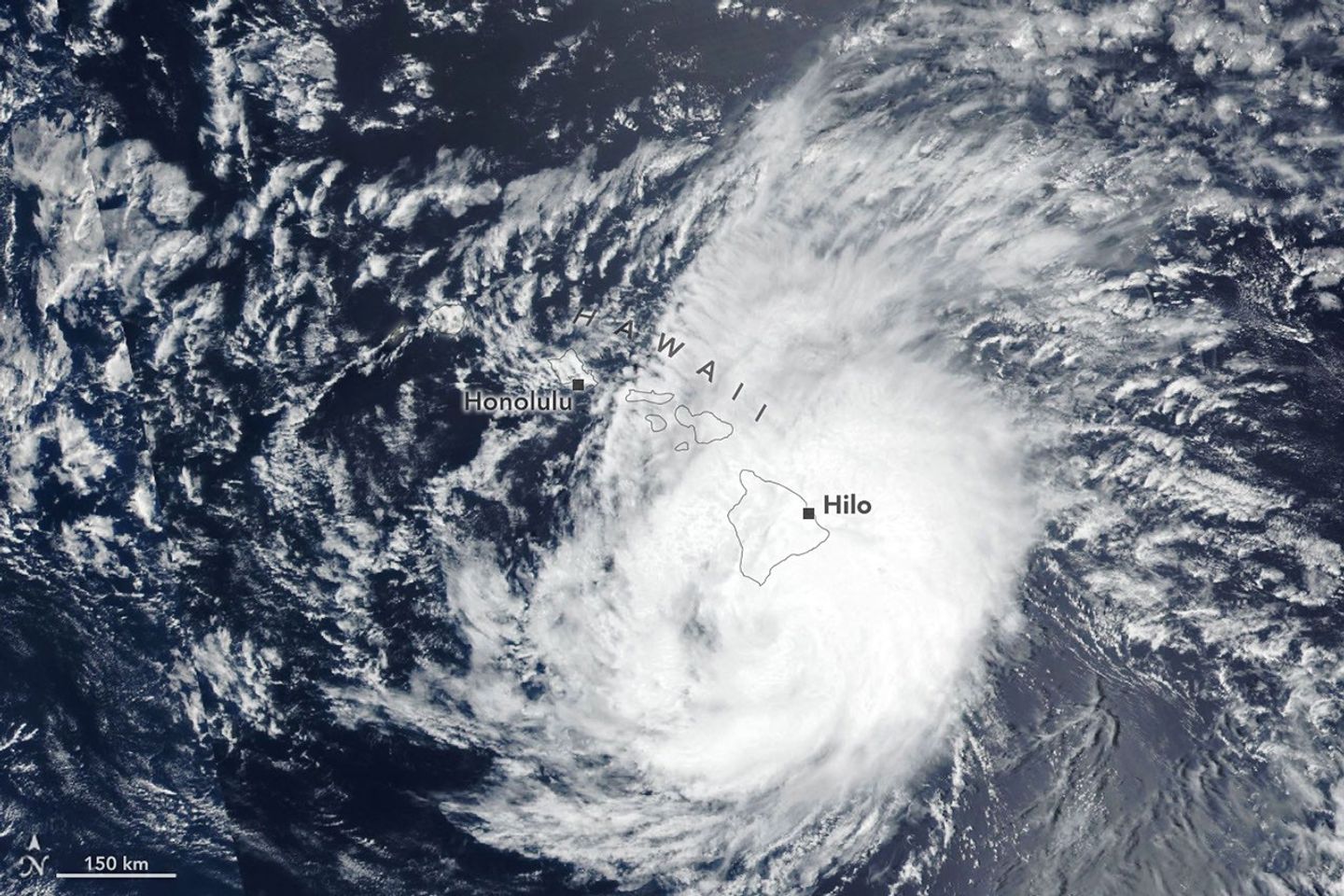
From the celestial vantage of NASA’s orbital lenses, Lala appeared as a mesmerizing, swirling gyre of white clouds—an elegant, almost serene spiral pinned against the deep blue of the Pacific. Yet, this high-tech, detached perspective belied the visceral reality on the ground. As the storm brushed the Big Island, it unleashed a deluge that defied the island’s intricate topography, turning scenic highways into rushing tributaries and testing the limits of local infrastructure. The contrast was stark: while scientists and meteorologists tracked the storm’s thermodynamic evolution through digital screens, residents on the windward coasts huddled in darkened homes, feeling the ancient volcanic bedrock beneath them reverberate under the weight of the atmospheric assault.
```
"The storm reminded us that paradise is not a static postcard, but a dynamic, sometimes violent negotiation with the elements."
```
Ultimately, Lala’s passage was a masterclass in the uneasy coexistence between human settlement and the wild caprice of the Anthropocene. Though spared a direct landfall from a higher-category monster, the island chain was left to grapple with the soggy aftermath of damaged roofs, compromised power grids, and scarred landscapes. As the clouds broke to reveal a damp, pale sun, the immediate cleanup began—a familiar, resilient ritual of chainsaws and community cooperation. Yet, beneath the relief lay a quieter, more trenchant realization: in an era of escalating climate volatility, these ocean-bound sanctuaries are increasingly operating on borrowed time, forever one tempest away from having their fragile majesty rewritten.