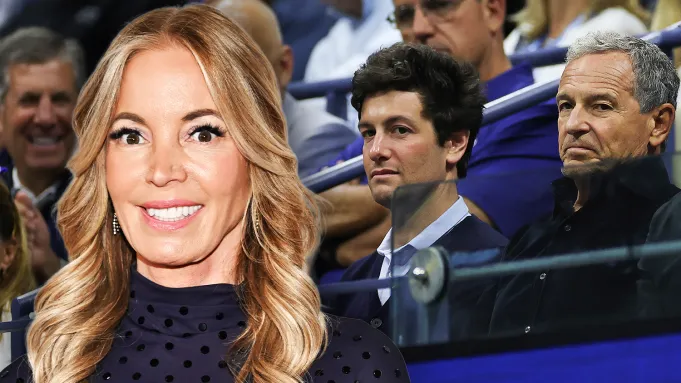
The Purple and Gold Redoubt: Jeanie Buss Shields the Lakers from the Billionaire Class
In the sun-drenched, status-obsessed ecosystem of Los Angeles, the Lakers are not merely a basketball franchise; they are a secular religion, a gilded fiefdom, and the ultimate signifier of civic aristocracy. For decades, the Buss family has ruled this empire with a potent mixture of Hollywood showmanship and dynastic pride inherited from the patriarch, the late Dr. Jerry Buss. Yet, the modern sporting landscape is increasingly besieged by a new breed of hyper-capitalist suitors—coastal oligarchs looking to convert their liquid billions into the ultimate trophy assets. The latest skirmish in this ongoing war for the soul of the franchise saw Jeanie Buss, the team’s governor and matriarch, draw an uncompromising line in the sand. Through her legal representation, Buss made it unequivocally clear that her siblings cannot sell the family’s controlling stake to a high-powered consortium featuring Disney kingpin Bob Iger and venture capital baron Joshua Kushner.
The conflict, which carries the distinct, bitter aroma of a corporate succession drama, erupted over backroom maneuvers that Buss’s legal team has swiftly dismantled. Her attorney declared that any vote or board resolution suggesting the Buss family is prepared to divest its majority ownership "would be and is void." This is not merely a dry, legalistic squabble over fiduciary bylaws; it is a profound philosophical clash over legacy and stewardship. While certain Buss siblings may view their inheritance as a highly liquid asset to be liquidated at the absolute peak of the sports-franchise valuation bubble, Jeanie treats the Lakers as a sacred trust. To yield to outside titans would be to surrender the romantic, familial intimacy of the "Showtime" era to the sterile, algorithm-driven metrics of modern institutional private equity.
The identity of the rebuffed suitors underscores the shifting nature of American power and influence. Bob Iger, the master builder of contemporary Disney’s cultural hegemony, and Joshua Kushner, the sleek, low-profile founder of Thrive Capital, represent the vanguard of the modern executive class—men who understand that sports franchises are the last remaining monoculture in a fractured media landscape. For bi-coastal power brokers of their stature, a stake in the Lakers is the ultimate status symbol, offering a level of cultural currency that even the most lucrative venture portfolio cannot buy. However, in Jeanie Buss, they have encountered an operator who recognizes that the true value of the Lakers lies in its exclusivity and its refusal to be commodified by external interests.
Ultimately, this standoff is about the ghost of Dr. Jerry Buss and the preservation of a singular sporting dynasty. By wielding her veto power with such public authority, Jeanie Buss has reasserted her position as the undisputed guardian of the gate, reminding both her restless siblings and the circling billionaires that some kingdoms are simply not for sale. In an era where sports franchises are routinely carved up and traded like tech stocks, the Lakers’ front office remains a fortress, fiercely defended by a matriarch determined to keep the family crown jewel in the family name.