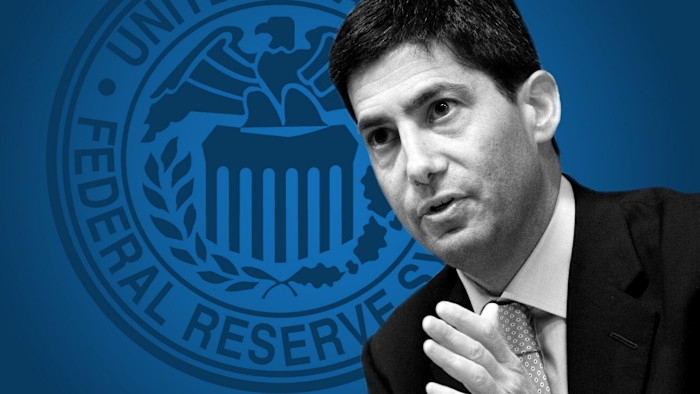
The Alchemist’s Dilemma: Inside Kevin Warsh’s High-Stakes Central Bank Crucible
There is a distinct, hushed theatricality to the marble corridors of the central bank on the eve of a major policy decision, an atmosphere where silence itself seems to carry a transaction cost. As Kevin M. Warsh prepares to gavel in his second meeting as Chairman, the brief honeymoon afforded to new leadership has evaporated, replaced by the cold, numerical realities of a stubborn economic malaise. Outside the heavily draped windows, the market clamors for direction; inside, Warsh faces his first true trial by fire. The central question hovering over the mahogany table is no longer if the institution will act, but whether its new pilot possesses the stomach to orchestrate a painful, necessary correction in the face of relentlessly sticky inflation.
To observe Warsh at this juncture is to witness a study in the modern calculus of credibility. At a time when consumer price indices refuse to yield to previous interventions, the pressure to raise interest rates has transformed from a whispered recommendation among monetary hawks into a deafening chorus. For a Chairman presiding over only his second conclave, the stakes are profoundly psychological. The market does not merely digest basis points; it dissects the body language, the pauses, and the cadence of the chair's delivery, searching for any sign of hesitation. A rate hike now would signal a fierce commitment to price stability, yet it risks chilling an already fragile credit landscape—a delicate tightrope walk where a single misstep could trigger a broader economic freeze.
Indeed, modern central banking has evolved into a form of secular priesthood, where the line between mathematical precision and collective psychology is permanently blurred. Warsh’s challenge lies in managing these dual realities. He must appease the purists demanding an aggressive tightening cycle to break the back of inflationary expectations, while simultaneously reassuring global markets that the floor will not fall out from beneath them. This meeting is destined to be the crucible that defines his early tenure: a moment where the elegant theories of academic economics must collide with the messy, unpredictable friction of human behavior and market panic.
When the decision is finally handed down, the true narrative will be found in the margins of the official statement. Analysts will pore over the text with the intensity of theologians translating scripture, looking for the linguistic choreography that indicates whether Warsh is prepared to lead a sustained campaign against inflation or if he will opt for a more cautious, wait-and-see posture. In either scenario, the quiet of the boardroom will soon give way to the roar of the trading floors, where the verdict on Warsh's resolve will be rendered in real-time.