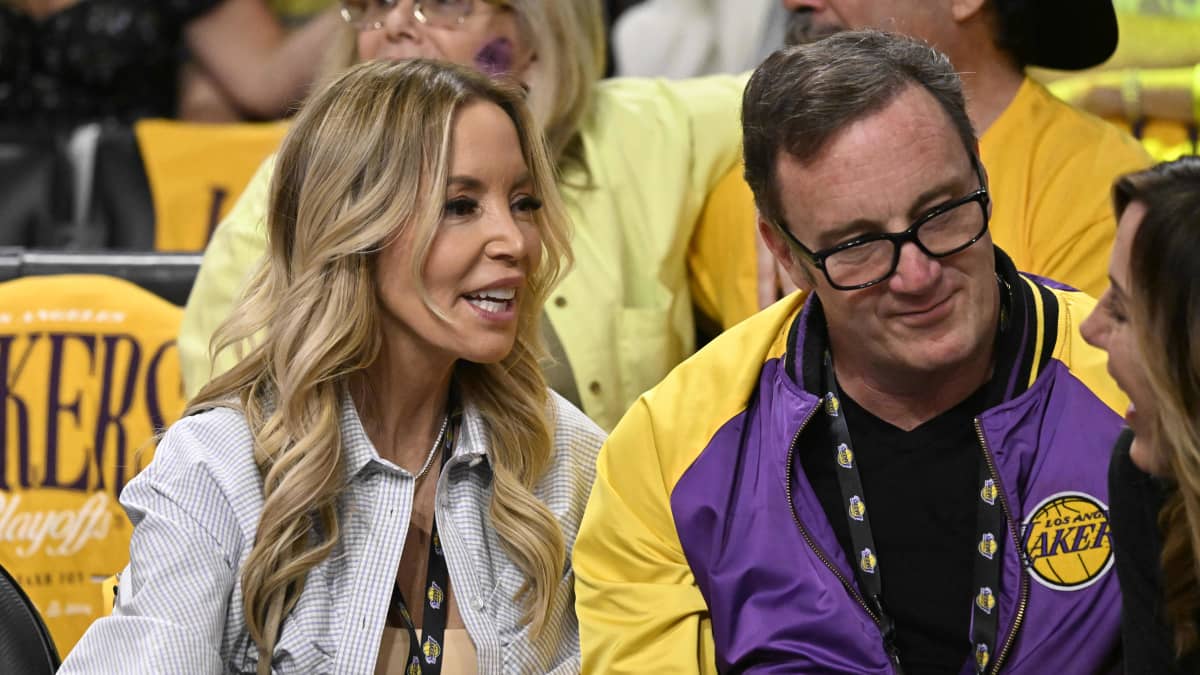
Dynasty in the Balance: Jeanie Buss Fights to Keep the Lakers’ Soul Out of the Corporate Ether
In the gilded theater of Los Angeles, the purple and gold of the Lakers has long functioned as a sovereign state, ruled not by sterile corporate boards but by the mythos of a singular family dynasty. When Dr. Jerry Buss passed away in 2013, he left behind more than an NBA franchise; he bequeathed an empire of cool, a cultural shorthand for West Coast glamour. For the past decade, his daughter, Jeanie Buss, has reigned as the fierce high priestess of this hereditary fiefdom. Now, however, a quiet civil war has erupted within the family trust. Jeanie is reportedly moving to block a maneuver by her siblings to sell the family’s remaining 18% stake in the franchise to a consortium of hyper-elite modern power brokers: Disney chieftain Bob Iger and venture capitalist Josh Kushner. It is a classic, Shakespearean standoff, pitting the romantic preservation of a family legacy against the cold, compounding logic of contemporary billionaire capital.
The prospective buyers represent the vanguard of a new, hyper-sanitized gilded age. Bob Iger, the master architect of modern entertainment hegemony, and Josh Kushner, the quiet, high-society avatar of venture capital, are not mere sports enthusiasts; they are curators of global cultural influence. To introduce them into the Lakers’ ownership circle is to accelerate the franchise’s evolution from a beloved, slightly louche family business into a pristine, institutional asset class. For Jeanie’s siblings, the transaction is likely a pragmatic, highly lucrative cash-out on a historically volatile asset. But for Jeanie, who has navigated the treacherous waters of NBA ownership with a mix of maternal devotion and sharp-elbowed pragmatism, the entry of Iger and Kushner represents a dilution of the sacred Buss bloodline. Her resistance is a trenchant declaration that the Lakers cannot—and should not—be traded like blue-chip tech stocks.
> "To sell even a fraction of this crown jewel to the titans of corporate media and private equity is to concede that the era of the family-run sports dynasty is dead."
This boardroom clash is emblematic of a broader existential crisis sweeping professional sports. The era of the eccentric, localized team owner—the self-made real estate mogul or industrialist who bought a franchise as a civic toy—is being rapidly eclipsed by institutional funds, sovereign wealth, and media conglomerates. In resisting her siblings’ surrender of the remaining family equity, Buss is fighting a rearguard action against this inevitable corporatization. Her stance is an elegant, if perhaps futile, insistence that sports teams should remain provincial, deeply felt, and personal. Whether she can successfully veto the sale remains a question for trust lawyers and NBA bylaws, but the battle itself confirms that even in the heart of Hollywood, the most compelling drama is the one playing out in the executive suites, far from the hardwood court.