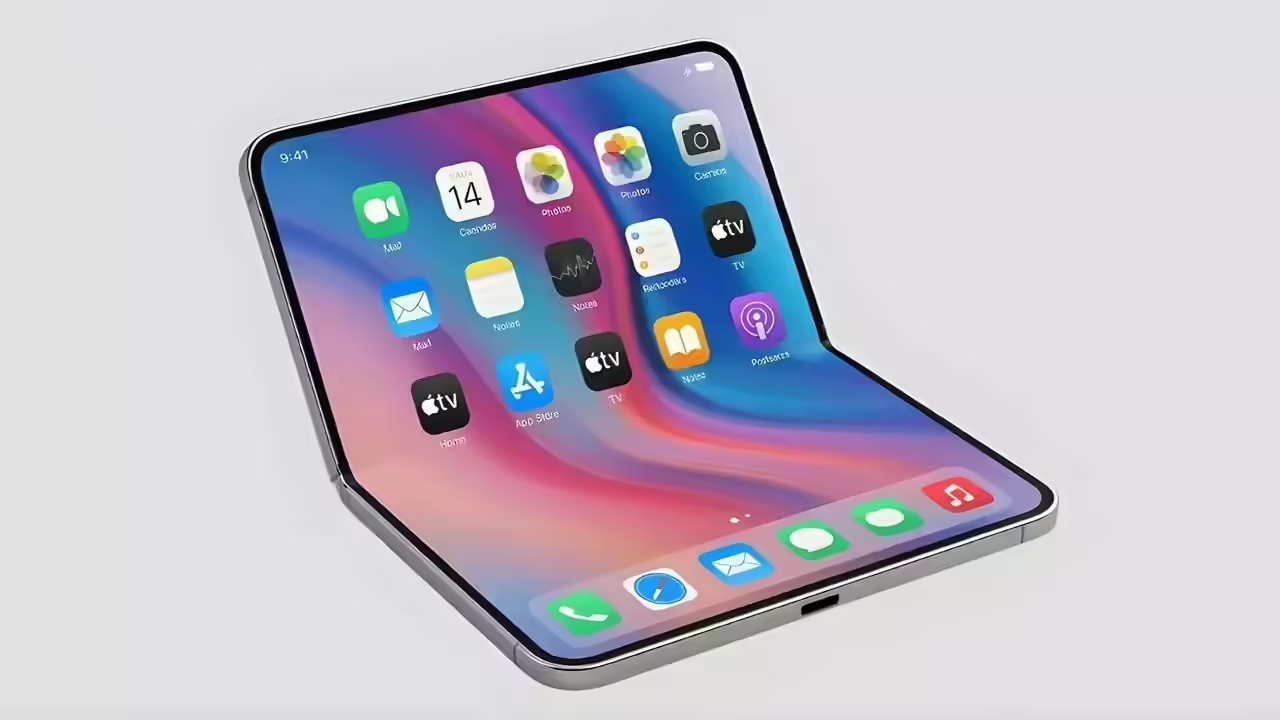
Apple’s Foldable Future: What We Know About the Rumored 2026 iPhone
The rumor mill surrounding Apple’s entry into the foldable device market has reached a fever pitch, with fresh reports suggesting that Cupertino is finally preparing to challenge the dominance of Samsung and Google in the flexible display space. While Apple has remained characteristically tight-lipped regarding its hardware roadmap, industry analysts and supply chain leaks point to a September 2026 launch window. This timeline would see the company’s first foldable device debut alongside the anticipated iPhone 18 Pro lineup, signaling a significant shift in Apple's mobile strategy as it attempts to court power users who have long waited for a device that blends the portability of a smartphone with the expansive real estate of a tablet.
Current speculation leans heavily toward a "book-style" design—a form factor similar to the Samsung Galaxy Z Fold series—which would allow the device to unfold into a larger, productivity-focused screen. Internal discussions reportedly revolve around two primary naming conventions: the "iPhone Fold," which leans into the functional description of the hardware, or the "iPhone Ultra," a moniker that would suggest a premium, top-tier position in the existing product stack. Regardless of the branding, the engineering hurdle remains the primary point of concern for industry experts. Apple is expected to prioritize a "crease-less" display technology, a challenge that has plagued competitors for years. Given Apple’s track record of entering established categories only when the technology has matured, the 2026 target suggests the company believes it can deliver a polished, durable user experience that mitigates the mechanical fragility often associated with foldable screens.
For consumers, the most significant barrier to entry will undoubtedly be the financial investment. Analysts project a starting price north of $2,000, placing the device firmly in the realm of luxury tech. This positioning is consistent with Apple’s historical strategy of leveraging high-margin pricing for experimental product lines. By positioning the foldable iPhone as a companion to, or a replacement for, the Pro series, Apple aims to cater to enterprise clients and creative professionals who justify the cost through improved multitasking capabilities and high-end display fidelity.
Anticipated Specifications and Market Impact
- Form Factor: Book-style folding mechanism with a focus on ultra-thin display materials.
- Launch Window: Expected September 2026, synchronized with the iPhone 18 launch cycle.
- Target Market: Power users, creative professionals, and luxury tech enthusiasts.
- Key Challenge: Maintaining Apple’s stringent quality control standards while integrating a flexible, hinge-based design.
As the 2026 launch approaches, the broader industry is watching closely. Apple’s entry into the fold will likely serve as the definitive seal of approval for the category, potentially triggering a new wave of software optimization from third-party developers looking to capitalize on the unique interface. Whether or not the device will be dubbed the Ultra or the Fold remains to be seen, but one thing is certain: the introduction of a foldable iPhone will represent the most significant design overhaul in the device's nearly two-decade history.