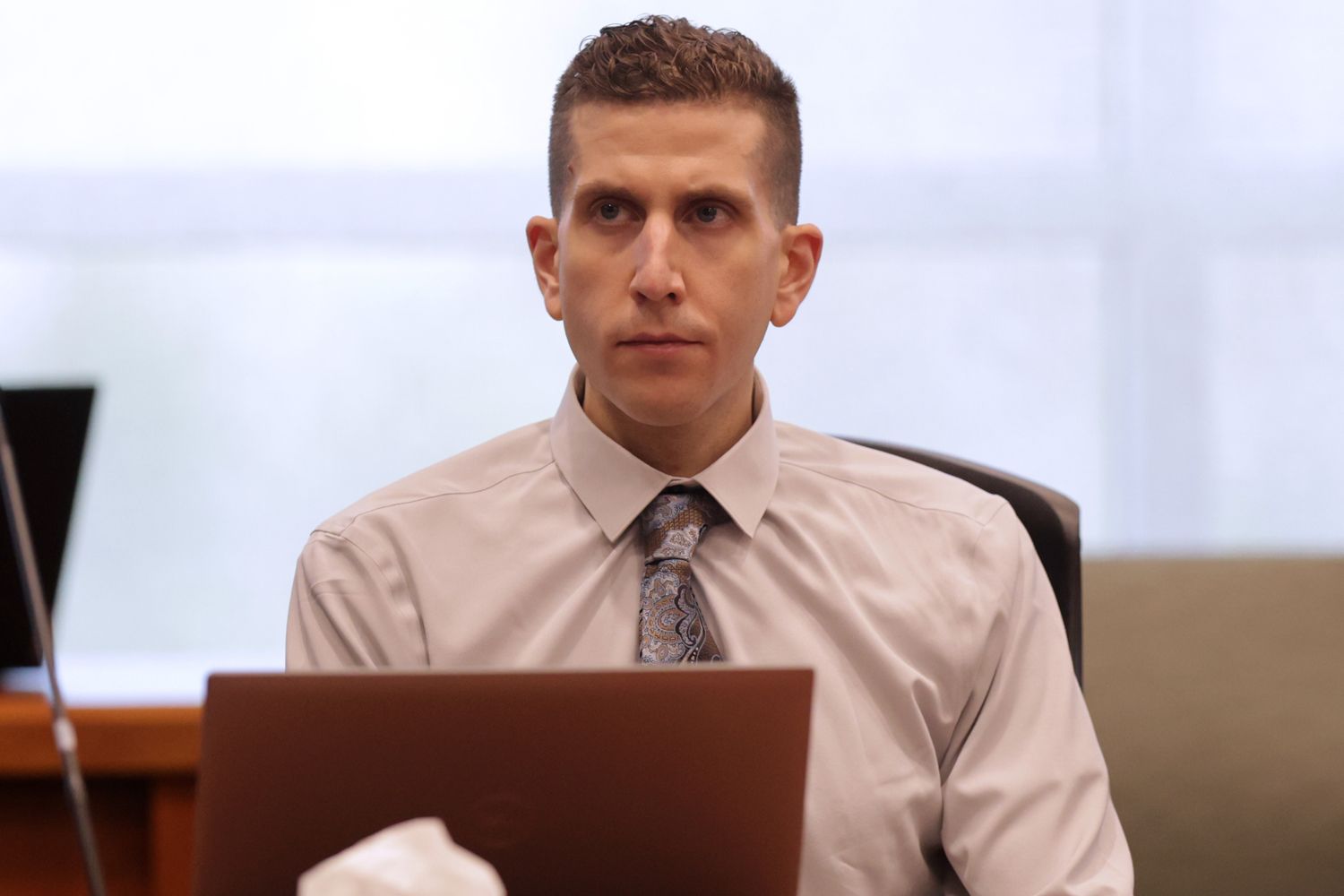
Anatomy of a Mind Unsealed: The Clinical Cartography of Bryan Kohberger
In the theater of modern true crime, there exists a desperate, almost devotional hunger to map the interiority of the accused. We seek a taxonomy for the unthinkable, hoping that if we can categorize the monster, we can demystify the monstrosity. The unsealing of Bryan Kohberger’s 2025 neuropsychological evaluation offers the public its most intimate, clinical glimpse yet into the labyrinth of a mind charged with the brutal slaying of four University of Idaho students. This is not merely a legal exhibit; it is a meticulously rendered portrait of cognitive friction, presenting a defendant defined by a constellation of neurological irregularities that have long simmered beneath his cold, academic exterior.
The evaluation paints a portrait of profound neurodivergence, diagnosing Kohberger with Autism Spectrum Disorder (ASD), Obsessive-Compulsive Disorder (OCD), and Attention-Deficit/Hyperactivity Disorder (ADHD), alongside several other latent psychological markers. To read the unsealed report is to witness the dismantling of a caricature. The stoic, almost robotic figure who sat impassively in the Latah County courtroom is recast here as a hyper-fixated, sensory-overloaded individual struggling to navigate the basic social architecture of life. His OCD, characterized by rigid, symmetry-seeking compulsions, and his ASD, which impairs the intuitive grasp of human emotion, suggest a life lived in a state of perpetual, agonizing alienation—a mind constantly trying to solve a social equation it lacked the variables to complete.
> "A diagnosis can explain the mechanics of a brain, the ritualistic patterns of a daily routine... But it cannot touch the soul."
Yet, as these clinical revelations enter the public square, they provoke a delicate and dangerous cultural discourse. There is an immediate temptation to weaponize these diagnoses, either as mitigating evidence of a broken psyche or, more perniciously, as a sensationalist explanation for violence. Criminal defense strategies often rely on the empathy-inducing vocabulary of mental health, but the prosecution—and indeed, a grieving public—will likely view these findings through a darker lens: as the blueprint of a meticulous planner whose hyper-focus and obsessive tendencies may have been channeled into a horrific, methodical crime.
Ultimately, the unsealing of Kohberger’s psychiatric profile does not solve the mystery of Moscow, Idaho; it merely deepens the tragedy. It reminds us of the sharp limits of forensic psychiatry. As the trial looms, these clinical labels—Autism, OCD, ADHD—will be dissected by lawyers and pundits alike, but they remain quiet on the question that matters most. We are left with a clinical map, but the territory of what transpired on that November night remains as dark and impenetrable as ever.