The Downstream Drift of Time: In The Bend in the River, Robb Moss Chronicles the Quiet Grace of the Twilight Years
In the late 1970s, they were radiant, naked, and seemingly immortal—a tribe of countercultural drift-seekers navigating the wild rapids of the Grand Canyon, captured on warm celluloid by filmmaker Robb Moss. Decades later, the water has quieted, the canyon walls have receded, and the same subjects find themselves navigating the trickier, more silent currents of advanced age. In his luminous new documentary, The Bend in the River, Moss returns to the cohort he previously profiled in The Same River Twice, offering a poignant, deeply felt meditation on what happens when the horizon of the future begins to shrink. It is a work of profound longitudinal cinema, capturing not just the physical decay of the human vessel, but the slow, beautiful sedimentation of memory, friendship, and accumulated loss.
An Autumnal Reckoning
```
"We spent our youth trying to escape history, only to realize we were merely writing its most intimate chapter."
```
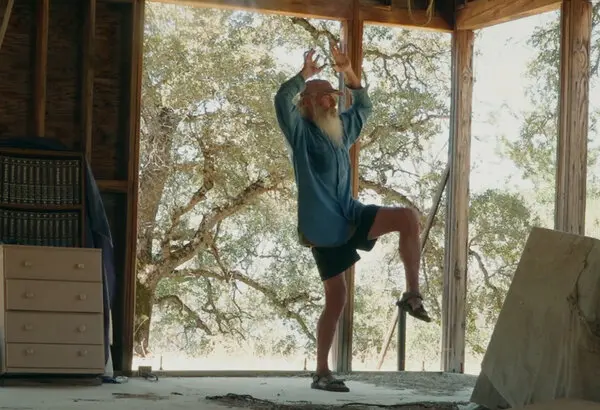
Where Moss’s earlier work crackled with the friction between youthful utopianism and middle-aged compromise, The Bend in the River operates in a minor key. The subjects, now in their seventies, are no longer wrestling with who they will become; instead, they are learning how to let go of who they were. The film observes them in domestic stillness—tending to gardens, nursing ailing joints, and speaking of departed friends with a mixture of sharp grief and dry, geriatric humor. Moss’s lens is extraordinarily tender, refusing the easy sentimentality of nostalgia in favor of a clear-eyed gaze at the chronological tax we all must pay. The contrast between the archive footage of their sun-bronzed, muscular youth and their current, fragile elegance creates a haunting split-screen effect in the viewer's mind, a visual proof of time's unrelenting gravity.
The Geography of What Remains
Ultimately, The Bend in the River is less about the end of life than it is about the texture of survival. It asks a question that is both deeply personal and universally urgent: when the grand narratives of career, romance, and ambition have run their course, what is left? The answer, Moss suggests, lies in the radical act of bearing witness to one another’s lives. In the film’s most quiet, devastating moments, the shared history of these old friends becomes a fortress against the encroaching dark. They speak to one another with the shorthand of a lifetime’s intimacy, their conversations a testament to the fact that while the river must eventually reach the sea, the journey downstream is infinitely richer when shared.