The Lonely Apex: Why the World’s Biggest Screen Can’t Find a Buyer
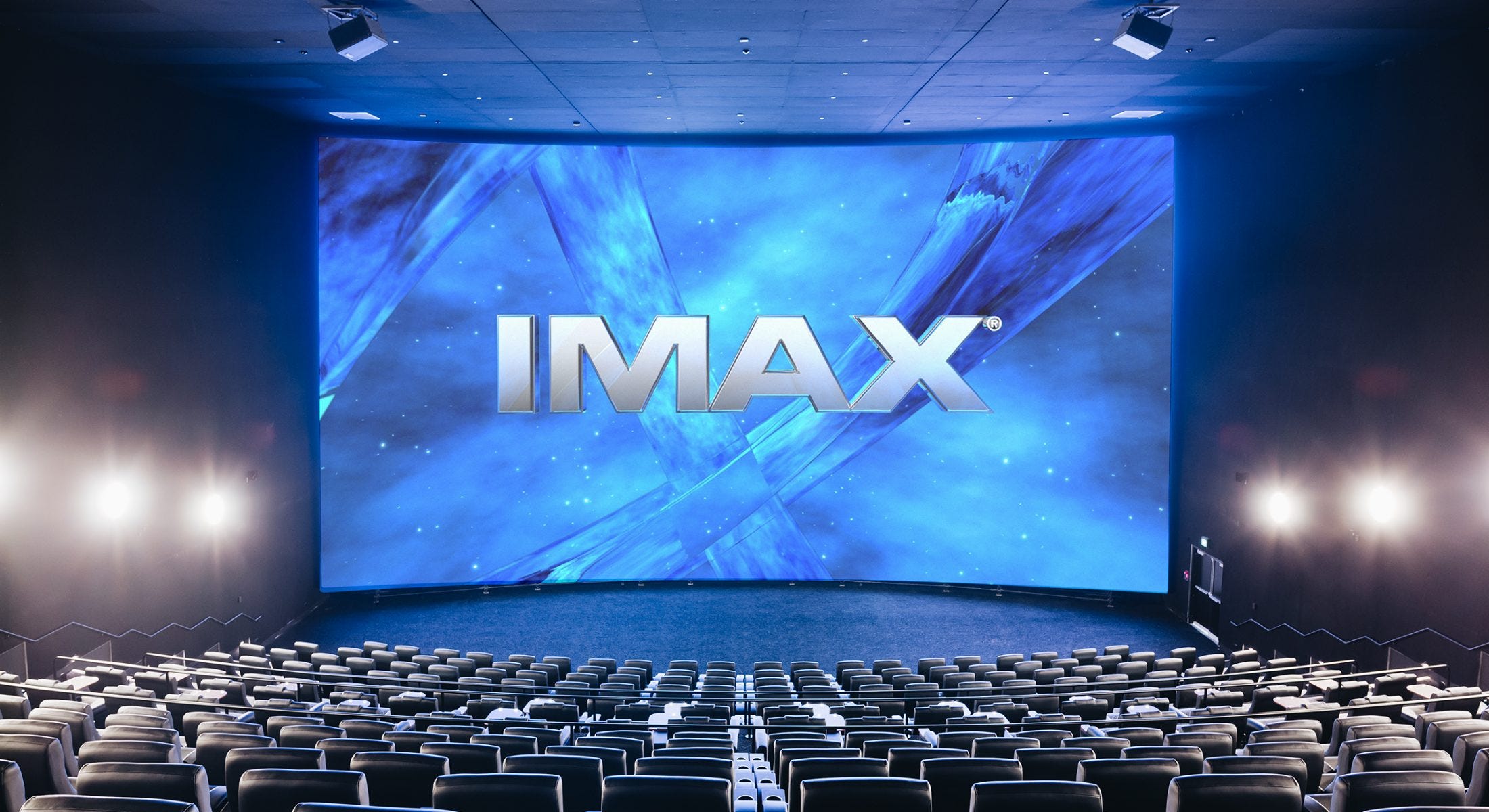
In an era where the traditional multiplex often feels like a dimming monument to a bygone monoculture, Imax stands as Hollywood’s loud, defiant cathedral. With its towering geometries and bone-rattling audio, the giant-screen pioneer has transformed the theatrical experience from passive consumption into a secular liturgy, driving its box office receipts and stock price to record-breaking altitudes. Yet, beneath this cinematic triumphalism lies an exquisite corporate paradox. The company has quietly signaled its openness to a sale, hoisting a velvet "For Sale" sign atop its premium brand. Yet, the auction block remains conspicuously silent. In a landscape desperate for surefire intellectual property and experiential gravity, the world’s most dominant theatrical platform is finding that its very success has rendered it practically untouchable.
The primary barrier to a transaction is a classic case of gilded vertigo: Imax has simply become too expensive to comfortably digest. The company’s soaring valuation, propelled by a post-pandemic hunger for "eventized" cinema and a lucrative partnership with auteur-directors who treat the format as Holy Writ, means any acquiring entity must pay a premium on top of an already peak-level stock price. For private equity firms, the math of leveraged buyouts rarely computes when a target is trading at its historical ceiling, particularly in a high-interest-rate environment where debt is no longer cheap. Meanwhile, tech giants like Apple or Amazon—the default deep-pocketed saviors of legacy media—remain wary of absorbing the capital-intensive footprint of physical exhibition, preferring the frictionless scale of the cloud to the heavy machinery of laser projectors and proprietary screens.
```
"Imax is the Switzerland of exhibition. If one superpower claims it, the global treaty of theatrical distribution collapses."
```
Beyond the cold arithmetic of the balance sheet lies a far more intractable diplomatic crisis: the delicate geopolitics of the studio system. Historically, Imax has flourished by operating as a neutral territory—a theatrical Switzerland where Disney, Warner Bros., Universal, and Sony can peacefully co-exist, competing for coveted two-week windows on the company’s global network of premium screens. Should any single studio or streaming behemoth attempt to acquire Imax, that vital neutrality would instantly evaporate. A Universal-owned Imax, for instance, would trigger immediate retaliatory boycotts from rival studios, who would refuse to feed their prized tentpoles into a competitor's proprietary ecosystem.
Consequently, Imax finds itself in a state of splendid, solitary confinement. It remains a magnificent business engine trapped by its own systemic importance, too vital to the theatrical ecosystem to be owned by any single player within it, and too expensive for outsiders to easily colonize. For now, the company must content itself with ruling the exhibition landscape from a throne that is as lucrative as it is impossible to sell.