The Shattered Postcard: Hawaii Braces for the Indifferent Fury of Hurricane Lala
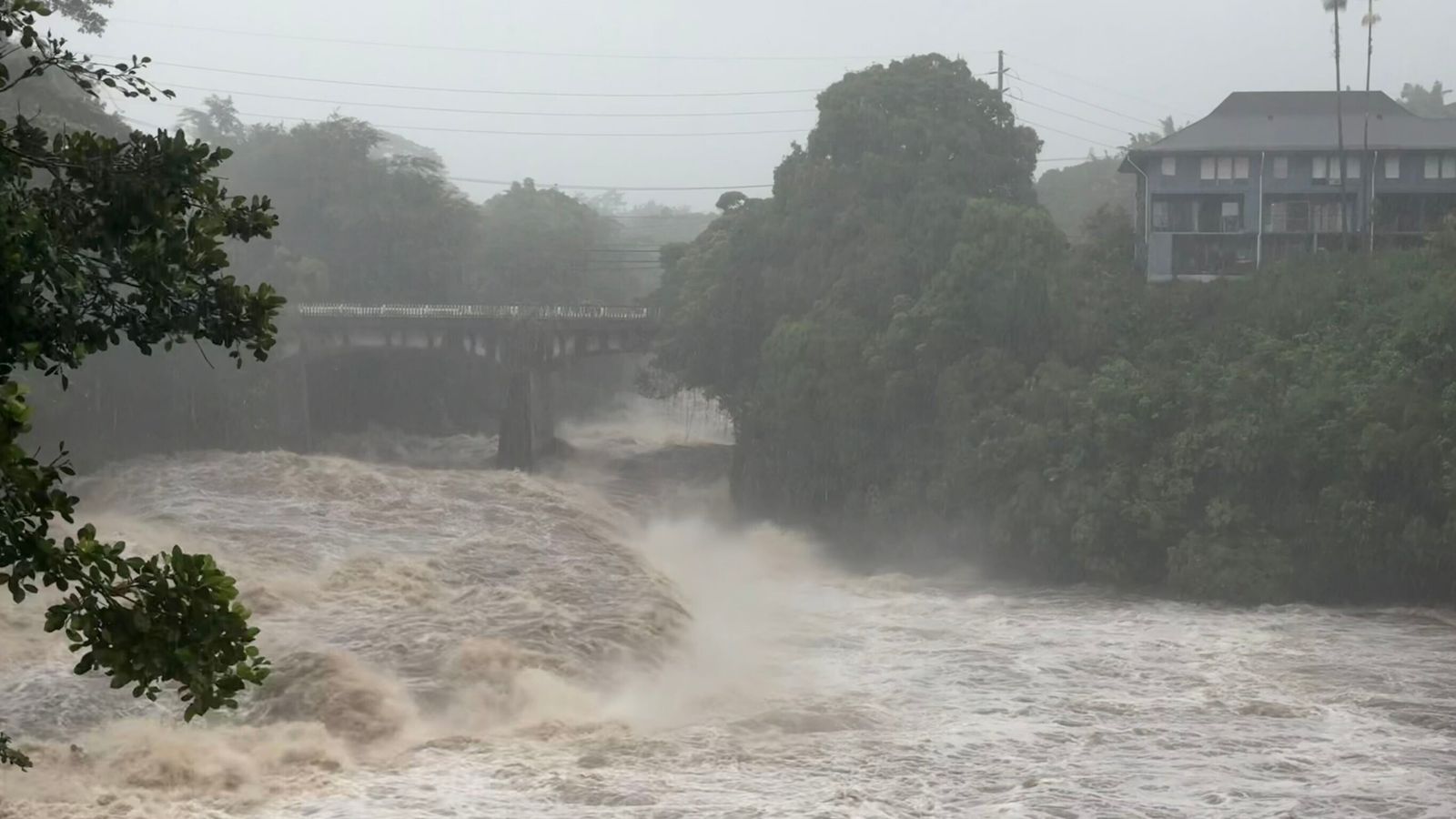
For decades, the mythology of the Hawaiian archipelago has been written in the key of leisure—an Edenic redoubt where the Pacific is tamed into a glossy backdrop for high-end escapism. But this week, that curated tranquility was violently suspended. Hurricane Lala, a kinetic engine of low pressure and high anxiety, is currently clawing at the islands with torrential rains and howling winds, turning a landscape of manicured luxury into a sodden, windswept fortress. The wind does not merely blow here; it bellows, carrying the heavy, saline scent of a churned ocean and rattling the towering palms that once stood as sentinels of paradise, now bent like frail reeds under the storm’s gathering fury.
The stakes of this atmospheric siege are historic. Should Lala’s eye cross the coast, it will mark Hawaii’s first direct hit by a hurricane in thirty-four years—a generational silence that has bred a fragile kind of complacency. Not since the ruinous path of Hurricane Iniki in 1992 has the state faced the unvarnished core of a major tempest. In the decades since that disaster, the islands’ shorelines have been densely rebuilt with glass-fronted condominiums and sprawling resort infrastructure, constructed during a long meteorological truce that many mistook for a permanent treaty. Now, that peace has expired, and the collective memory of Iniki has transitioned from a distant historical footnote into an urgent, terrifying blueprint for survival.
```
"We are watching a collision between the fragile constructs of human luxury and the raw, indifferent physics of a changing climate."
```
Across Oahu, Maui, and the Big Island, the transition from playground to shelter has been swift and surreal. The tourists have largely retreated, leaving behind empty beaches where the surf now rolls in with a primordial, churning violence. In Honolulu, the vibrant hum of commerce has been replaced by the rhythmic, percussive thud-thud of nail guns securing plywood over boutique windows. This is the theater of the modern ecological crisis, where the illusion of safety in paradise is stripped away in a matter of hours. As Lala’s outer bands lash the cliffs of Kauai and flood the valleys of Maui, the storm exposes the stark vulnerability of an isolated island chain dependent on vulnerable shipping lanes and a precarious power grid.
Ultimately, Hurricane Lala is a reminder of the shifting terms of survival in an era of climatic volatility. Whether the storm makes a direct, catastrophic landfall or merely brushes the coast with its outer eye walls, the psychological spell of invulnerability has been broken. Under the slate-gray canopy of the storm, the distinctions between the luxury traveler and the lifelong resident dissolve into a shared, democratic vigil. Hawaii is left waiting in the dark, listening to the rising wind, acutely aware that the ocean which defines its beauty is also the force that can so effortlessly reclaim it.