The Empire of the Salad Bowl: How Taylor Farms Redefined the American Diet—and Its Vulnerabilities
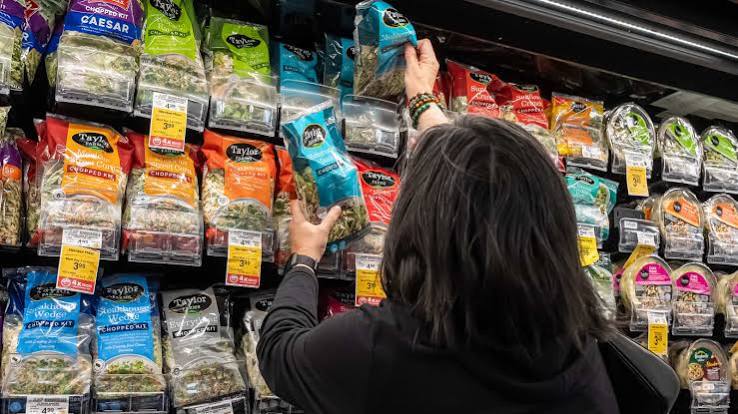
To walk through the produce aisle of a contemporary American supermarket is to encounter a meticulously choreographed theater of freshness. Under the cool, timed mist of automated sprayers, rows of perfectly uniform, pre-washed salad kits in pristine plastic clamshells promise a guilt-free shortcut to health. Yet, behind this seamless illusion of agrarian abundance lies a highly consolidated industrial apparatus. At the heart of this quiet empire sits Taylor Farms, a privately held behemoth based in California's Salinas Valley—often dubbed "the salad bowl of the world." Over the past few decades, through aggressive acquisition and logistical wizardry, Taylor Farms has transformed from a regional grower into the indispensable, behind-the-scenes cartographer of the nation’s green diet, supplying everything from quick-service restaurant toppings to supermarket shelves with relentless, algorithmic precision.
The Architecture of the Monolith
This rise to dominance is a masterclass in modern agricultural consolidation, where the rustic charm of the traditional farm has been replaced by the cold imperatives of scale and velocity. Taylor Farms, alongside a handful of similarly massive distributors, has effectively centralized the American vegetable drawer. By standardizing harvesting, processing, and distribution, they have achieved an enviable economic miracle: keeping fresh greens affordable and accessible year-round, regardless of season or geography. However, this triumph of corporate efficiency harbors a profound systemic fragility. In consolidating the agricultural landscape, these mega-suppliers have constructed a monolith where a single farm’s yield is commingled, processed in massive shared facilities, and distributed across thousands of miles, effectively erasing the natural boundaries of localized food ecosystems.
```
[Traditional Supply Chain] --> Many localized farms to regional markets
[Modern Centralized Chain] --> Single mega-processor (Taylor Farms) to nation-wide retail
```
The Microscopic Threat to Hyper-Efficiency
The vulnerability of this centralized architecture becomes terrifyingly clear when pathogens enter the machine. When microscopic disruptions like Cyclospora—a stubborn, waterborne parasite—slip through the washing cycles of a major processor, the very infrastructure designed for hyper-efficiency becomes a national vector. In a fragmented food system, a contaminated batch of lettuce is a localized misfortune; in the era of mega-suppliers, it is an immediate epidemiological crisis, scattering outbreaks across dozens of states before the source can even be identified. The task of tracing these foodborne illnesses is further compounded by the sheer velocity of the supply chain, leaving public health officials to untangle a dizzying web of third-party growers, co-packers, and proprietary distribution networks.
> "In consolidating the agricultural landscape, we have traded resilience for efficiency. When a single processing plant serves an entire region, a microscopic contaminant becomes a macro-economic threat."
Ultimately, the hegemony of giants like Taylor Farms presents a modern parable of convenience. Americans have willingly traded the seasonal variability of the earth for the predictable comfort of the pre-washed Caesar kit, largely unaware of the delicate ecological tightrope walked to deliver it. As regulators scramble to modernize testing protocols to match the scale of hyper-scale farming, the consumer is left with an unsettling truth: the systems that feed us have become too large to easily police, too essential to easily halt, and too consolidated to fail without taking the entire kitchen table down with them.